
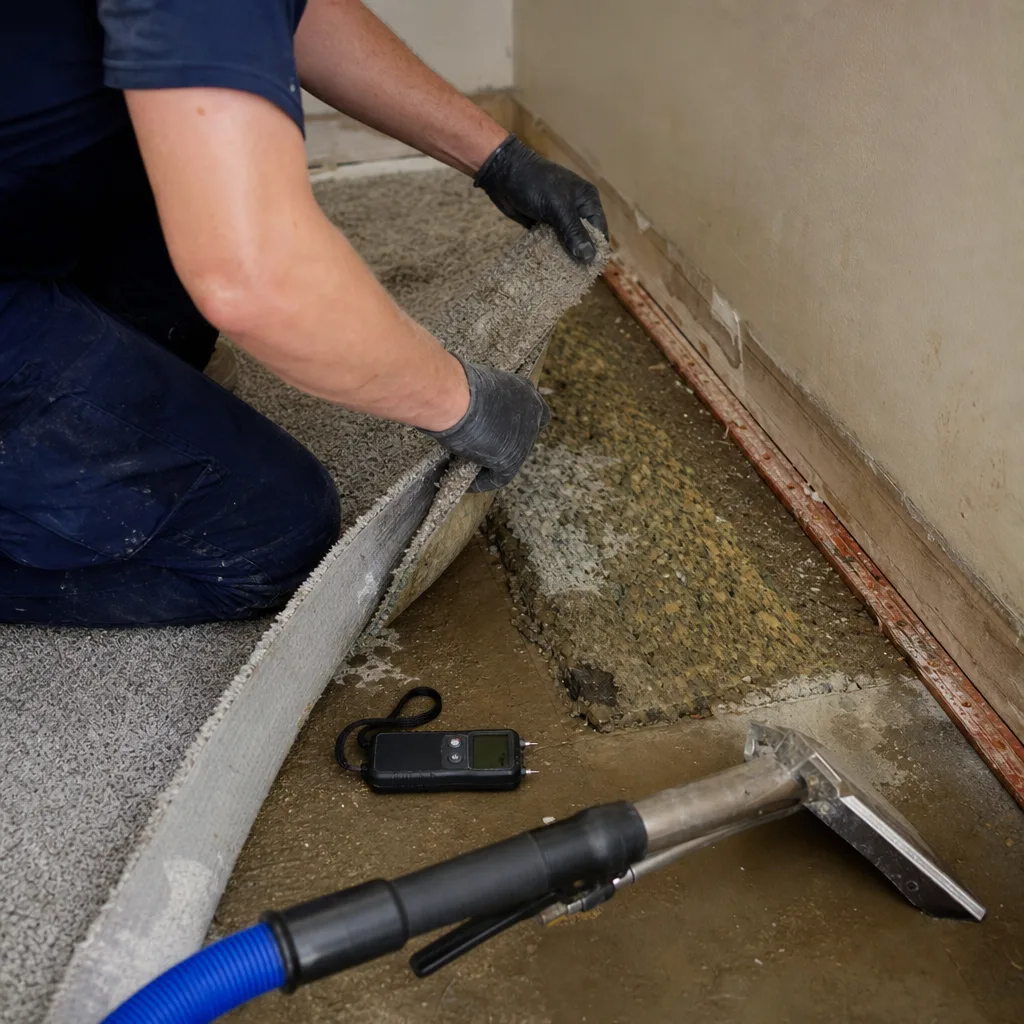
Free visual inspection and a written scope of work before any mitigation begins - photos, moisture readings, and drying logs go in your claim file
The scope we write is the scope we bill. Anything new gets shown to you, in writing, before we touch it.
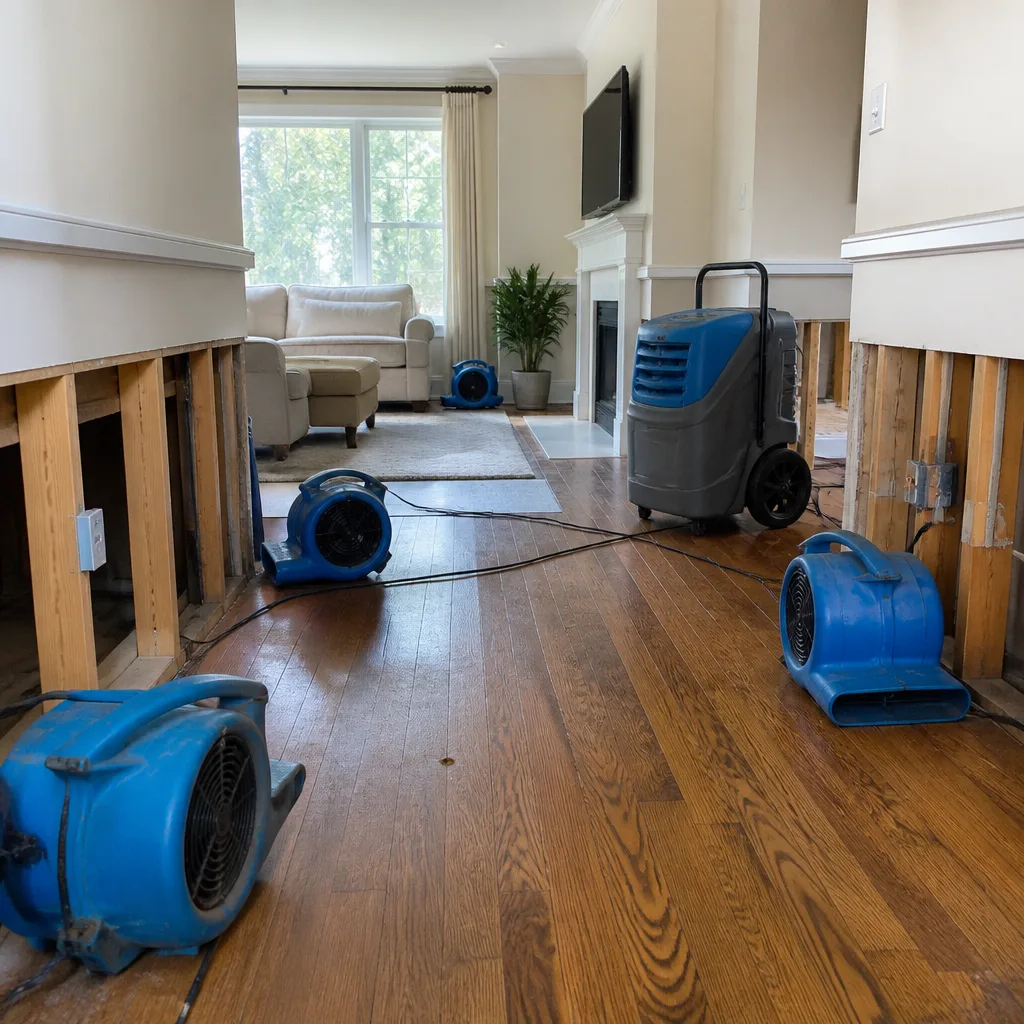
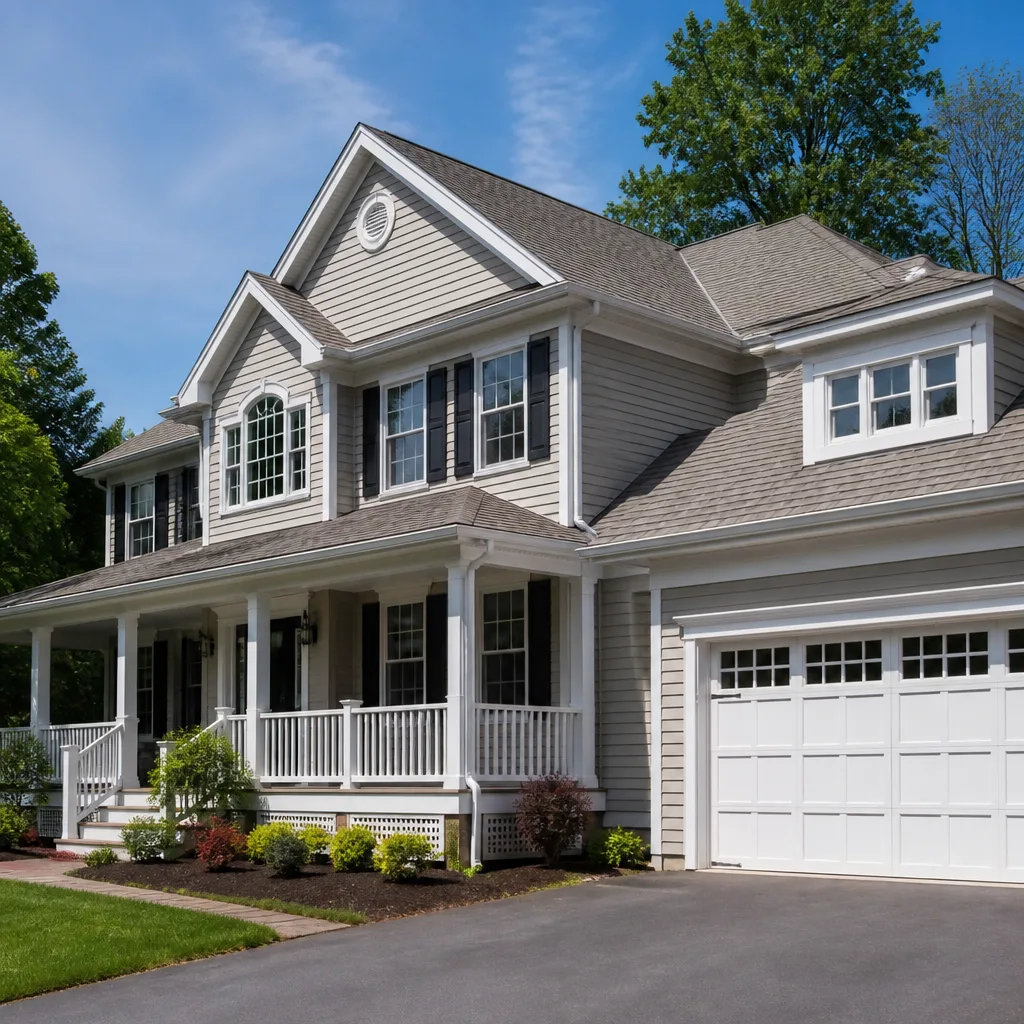
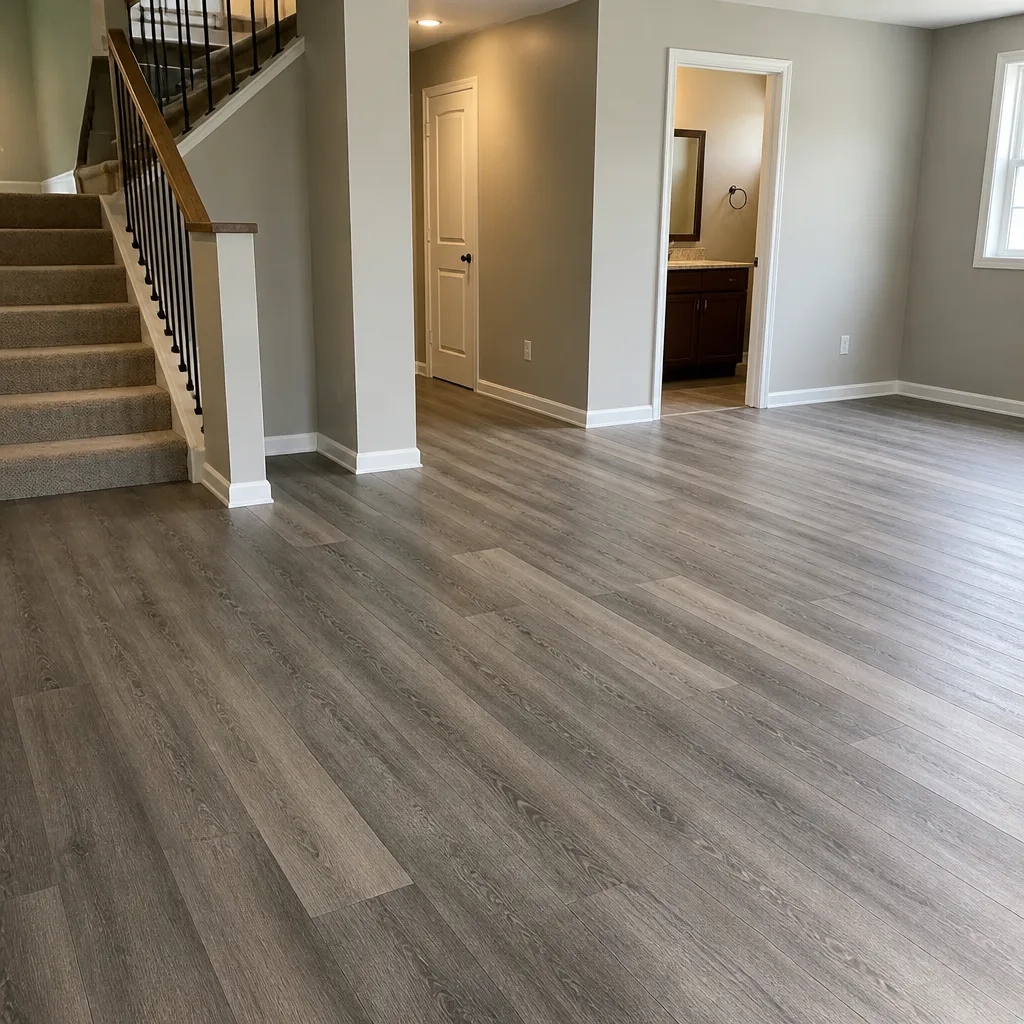
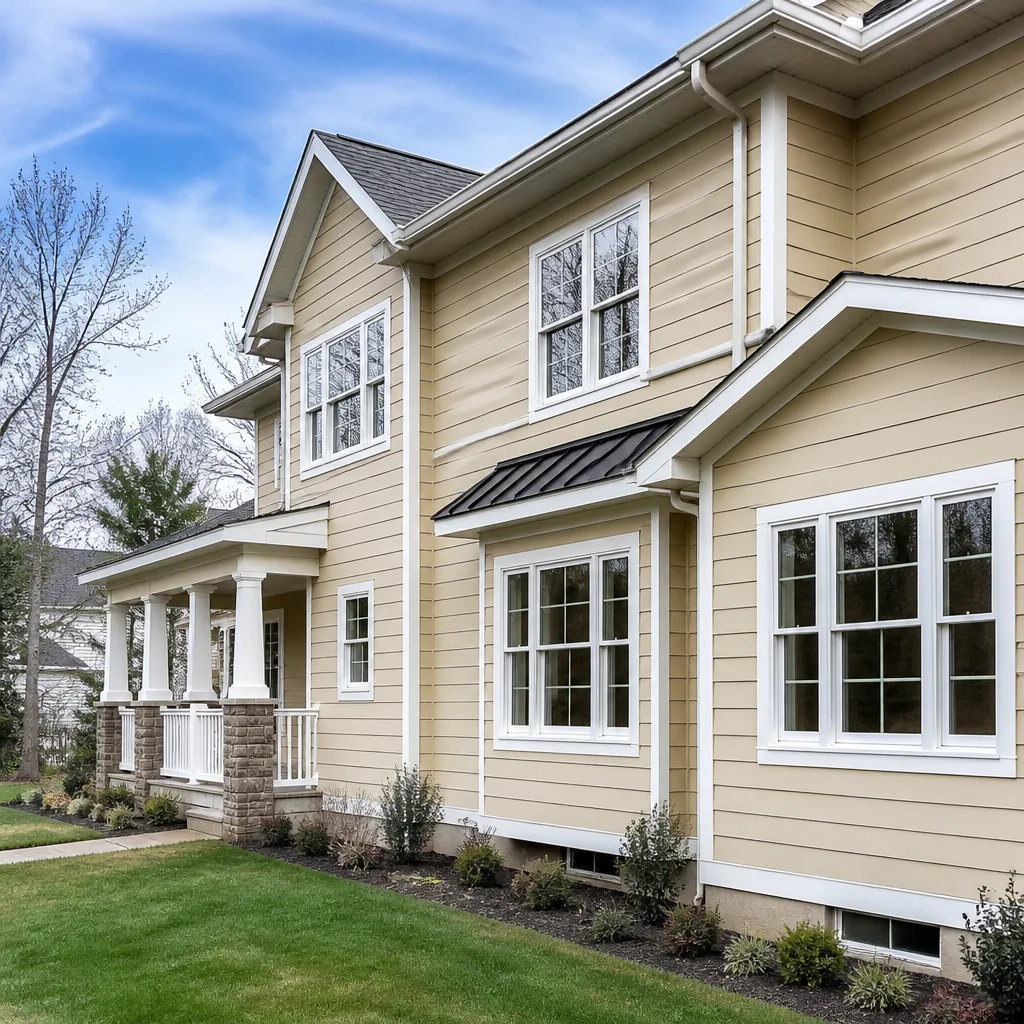
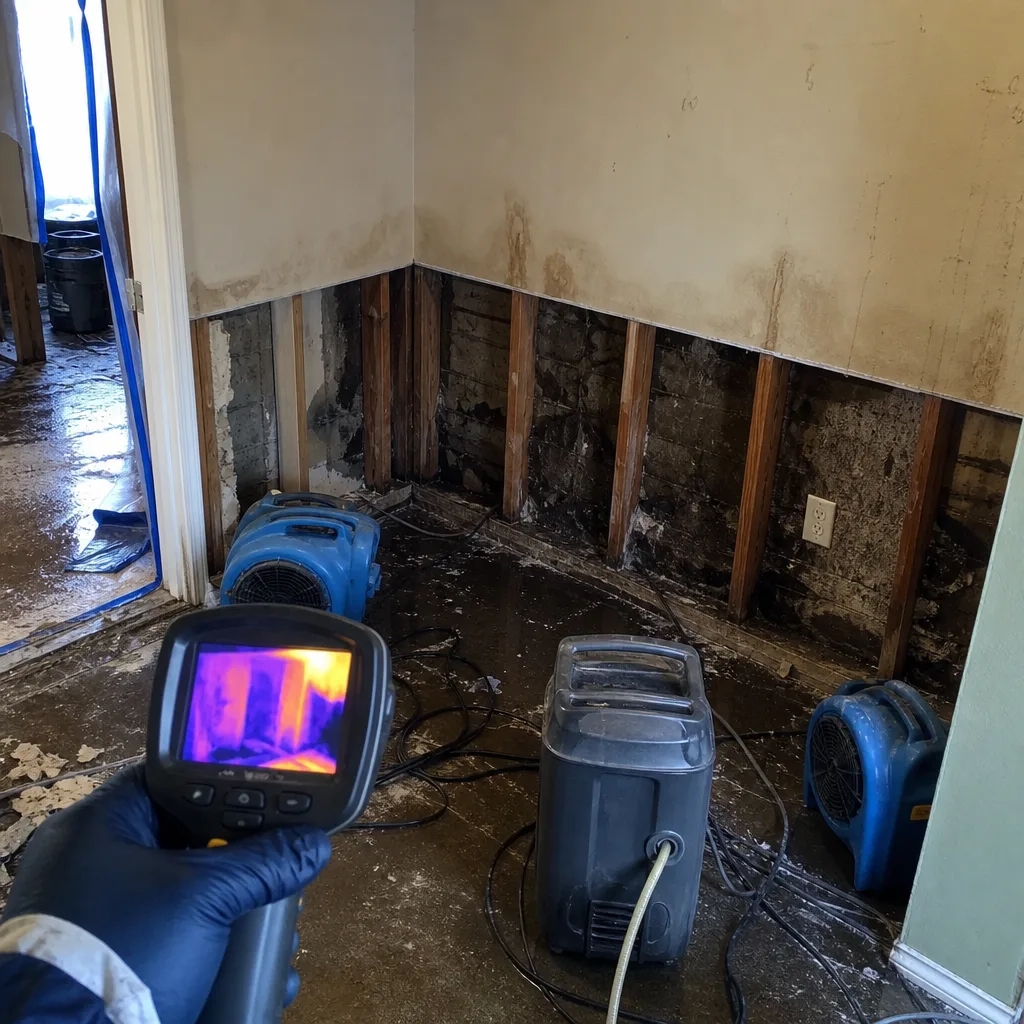 Before
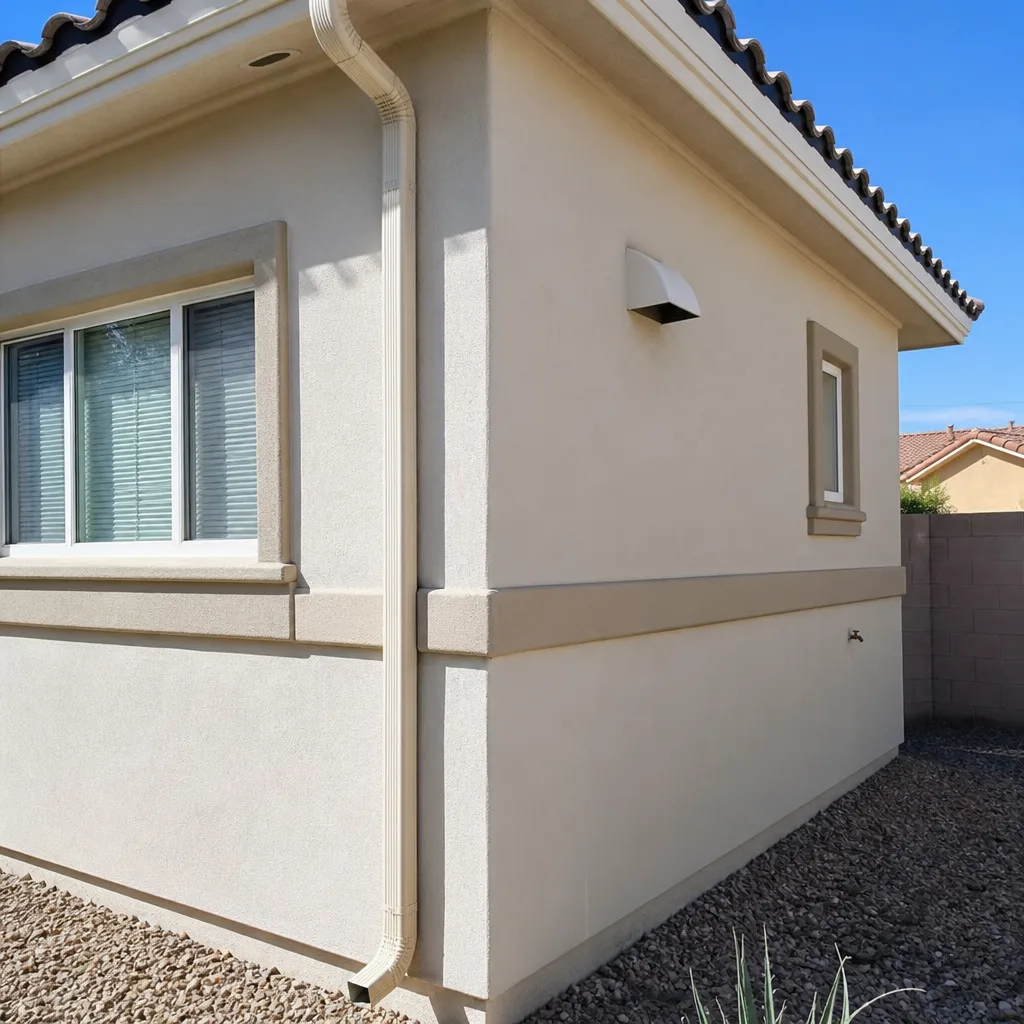 After
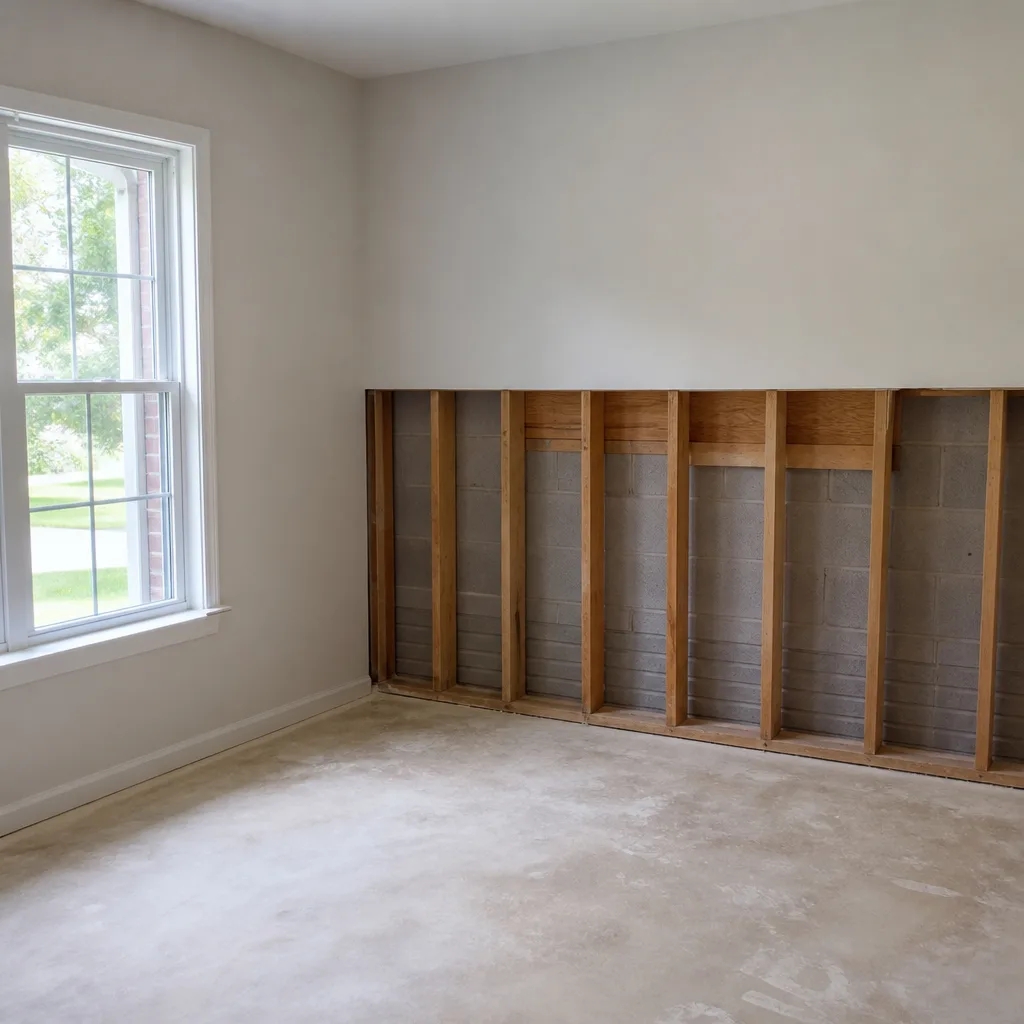
After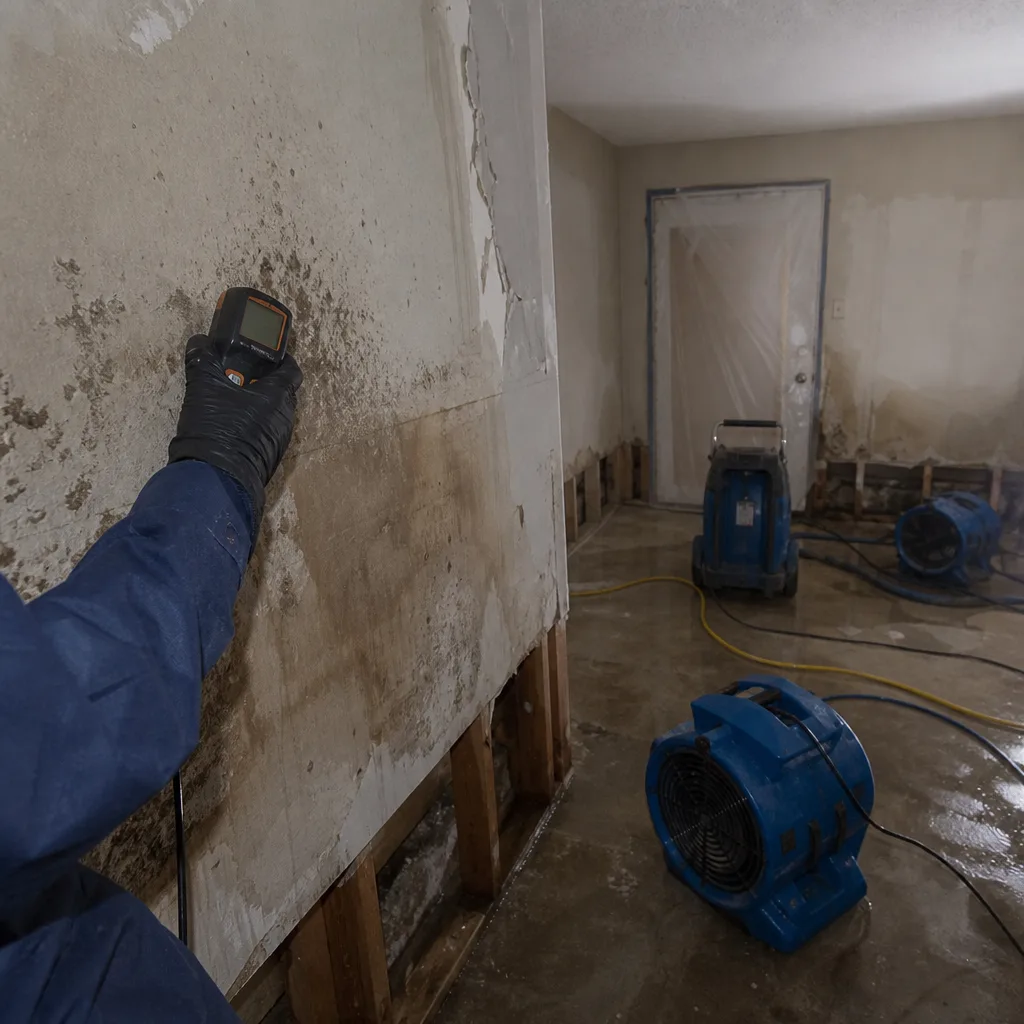 Before
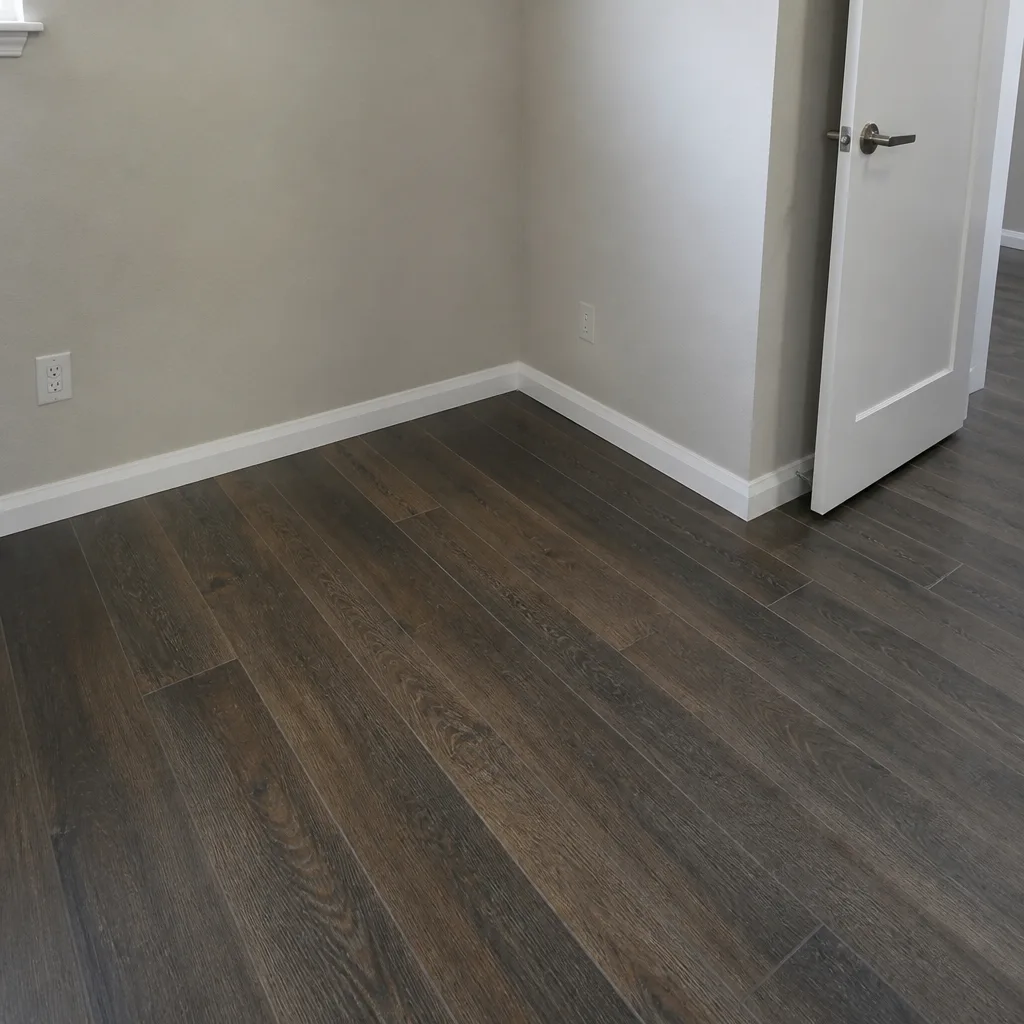 After
After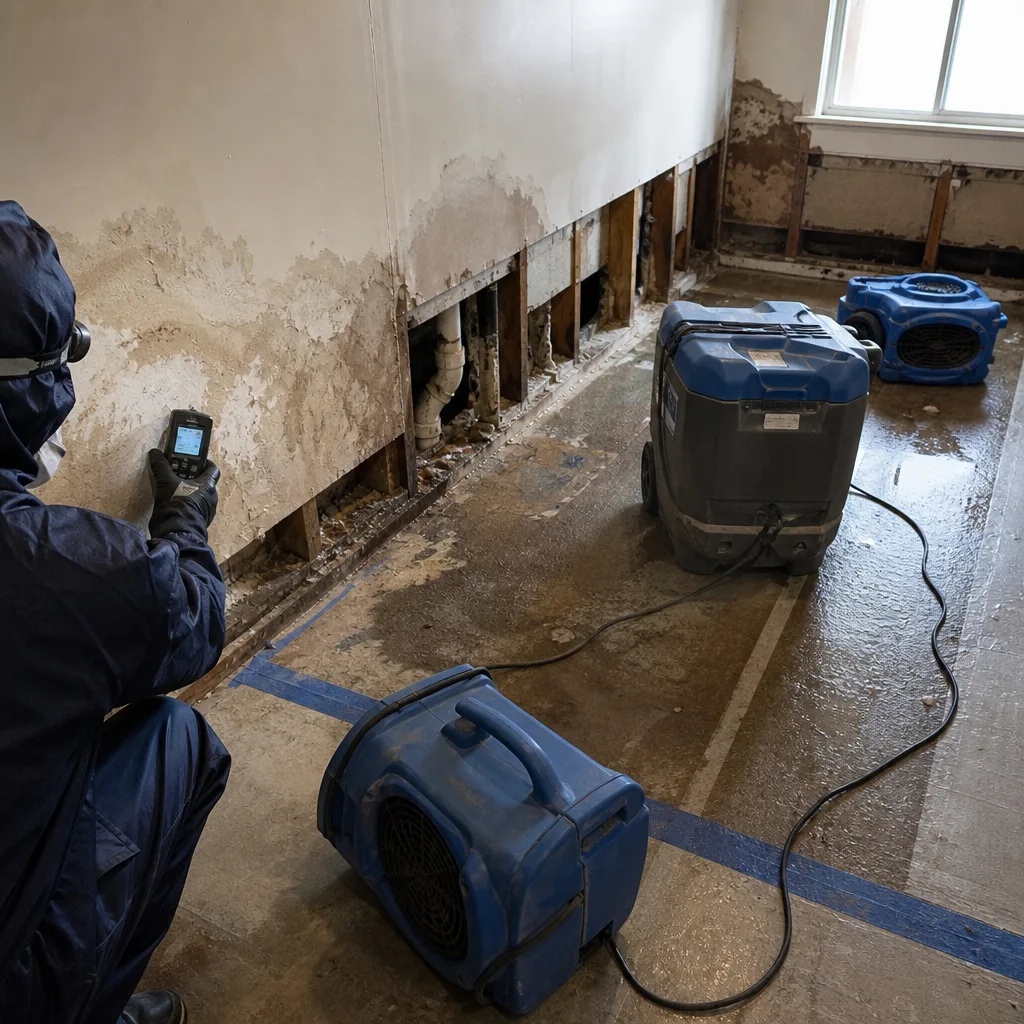 Before
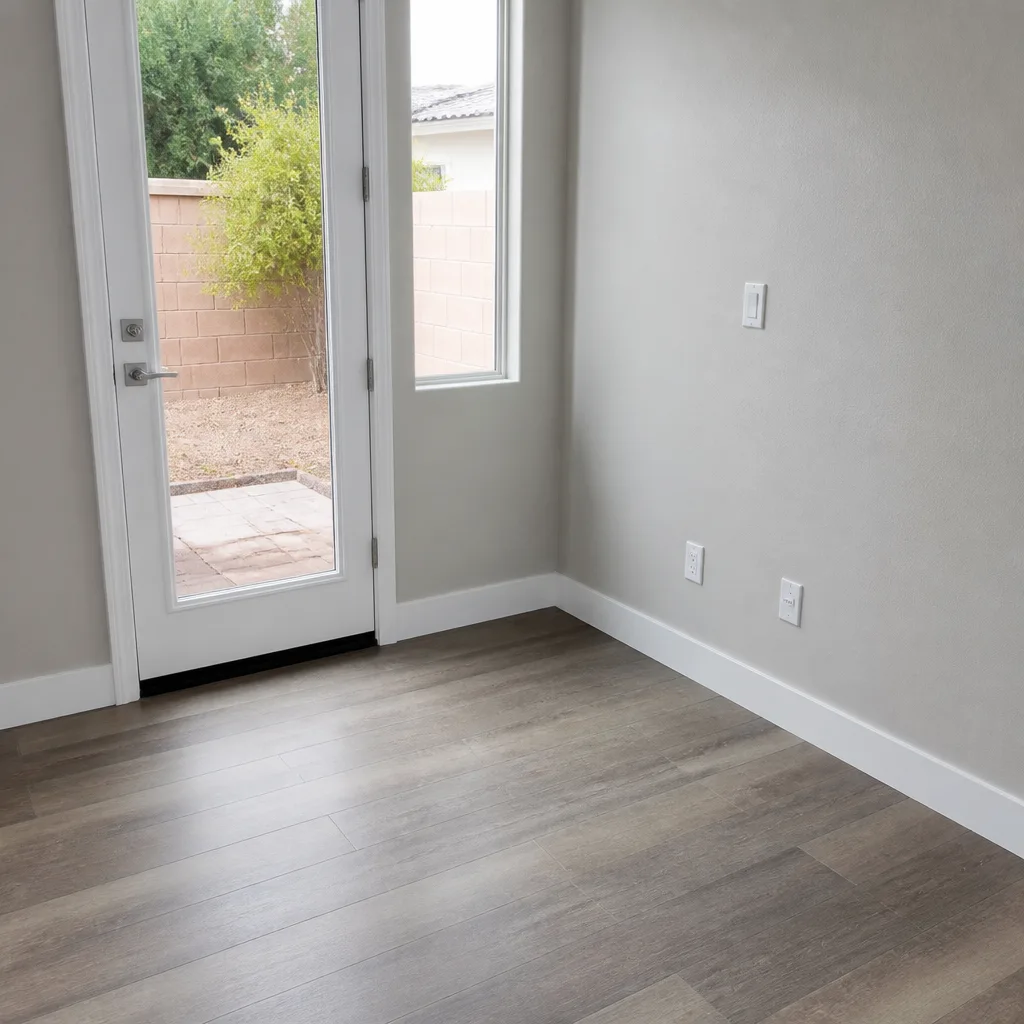 After
AfterFast, Reliable Fire & Smoke Damage Restoration Across Enterprise
Fire and smoke damage restoration in Enterprise typically costs between $3,200 and $14,500 depending on the extent of structural involvement, with emergency board-up and tarping starting at $850-$1,400. Our crews are dispatched from our Las Vegas office and can be on-site in Enterprise within 45-60 minutes for emergency calls. Call (725) 696-9449 - a live person answers 24 hours a day, and you’ll receive a written price before any work begins, guaranteed under Haven Standard, Clause 1.
Enterprise’s uniform housing stock - those post-2000 stucco-over-frame tract homes from Mountain’s Edge to the western subdivisions - creates unique fire and smoke damage patterns that crews from outside the valley often miss. The same builder-grade assemblies, the same synthetic stucco systems, and the same low-slope rooflines fail predictably, which means we know where to look for hidden smoke migration and where moisture gets trapped behind walls after suppression efforts. We’ve restored homes on Warm Springs Road, along Enterprise’s eastern edge, and throughout the master-planned corridors where the construction era means damage doesn’t scatter randomly - it clusters.
Why DryMark Restoration Henderson Is Enterprise’s Preferred Fire & Smoke Damage Restoration Company
Back to Dry Restoration, led by Alicia Brennan, has handled fire and smoke losses in Enterprise since the neighborhood’s build-out accelerated in the mid-2000s. Our reputation here rests on documentation: every job gets a photo record on every visit, daily moisture logs with psychrometric data (temperature, relative humidity, and vapor pressure readings that prove drying progress), and a written scope before anyone starts work. Insurance adjusters familiar with Enterprise claims know our files - they match line for line because we build them to the same standard the adjuster uses to approve payment.
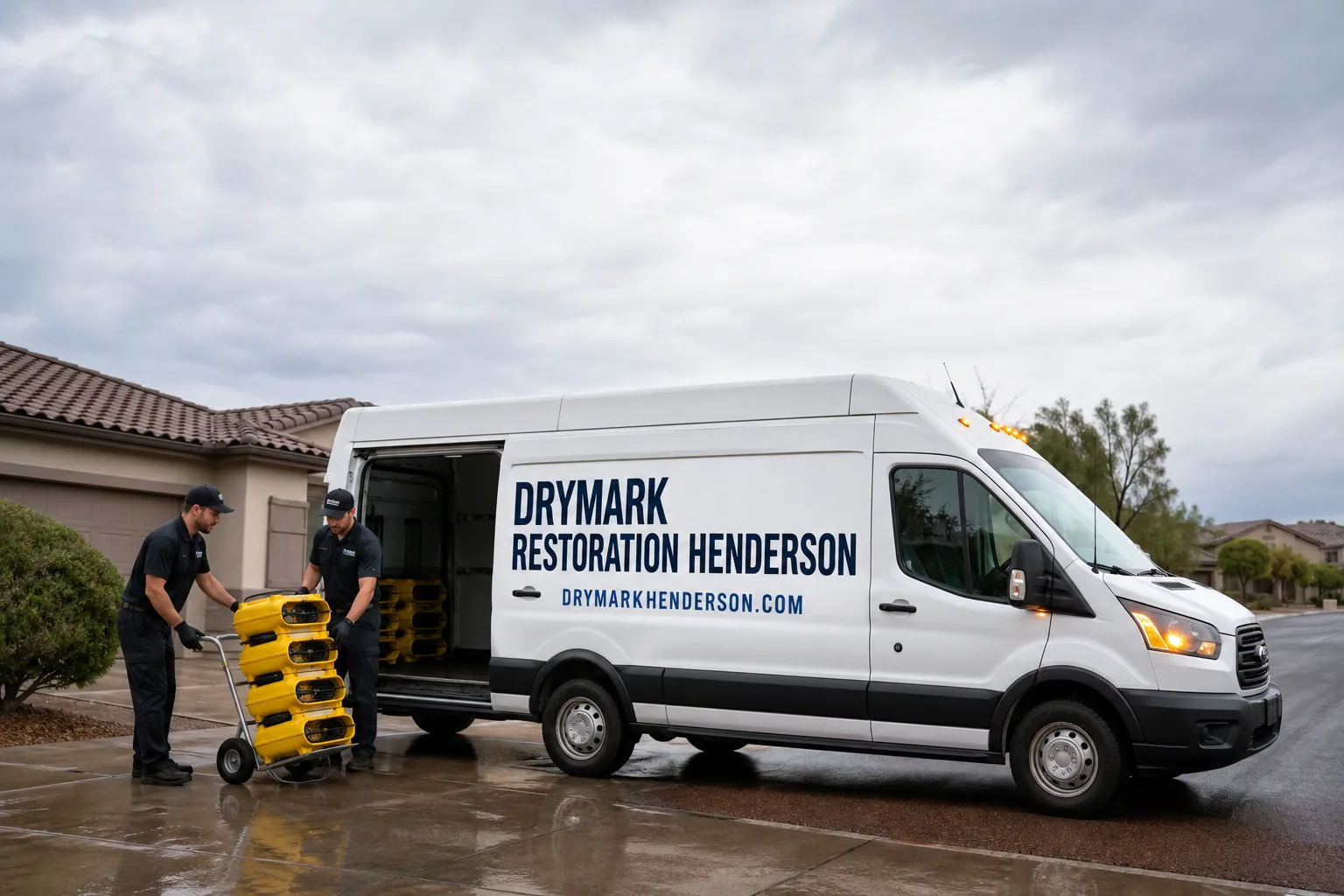
Response time to Enterprise averages under an hour from dispatch, with our Las Vegas office coordinating crew routing to avoid I-15 bottlenecks during peak hours. We’ve boarded homes on Blue Diamond Road corridors and tarped roofs in the Mountain’s Edge area after monsoon-driven wind events that turned small ignition sources into major losses. Our technicians are background-checked, uniformed, and licensed - their license numbers are documented on every job file, not hidden behind a dispatcher.
Enterprise homeowners review us specifically for our written-price discipline and our adjuster coordination. The three-star reviews we receive are typically about wait times during major regional events - never about scope creep, surprise billing, or documentation that failed at claim time. That matters to us, because Haven Standard, Clause 1 exists precisely to eliminate the pricing anxiety that compounds the stress of a fire loss.
Our Fire & Smoke Damage Restoration Services in Enterprise
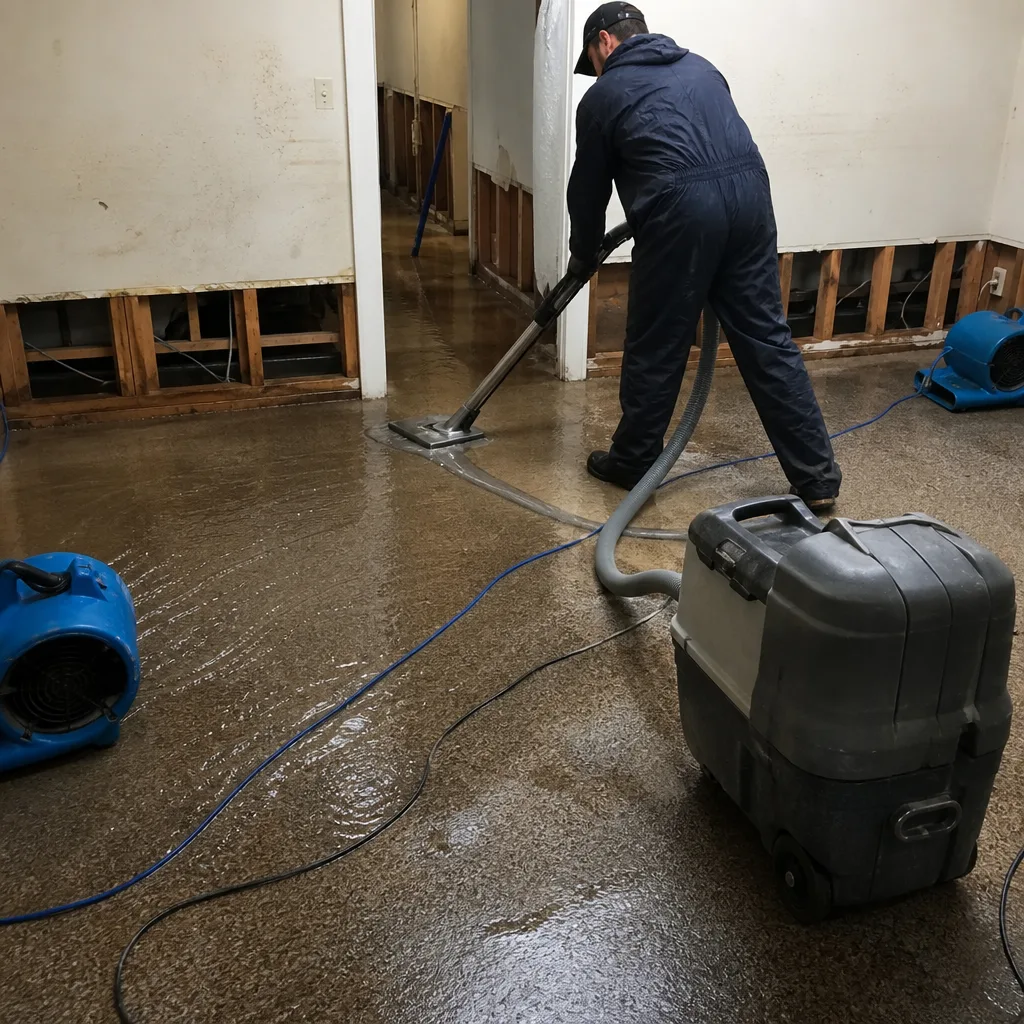
Fire Damage Cleanup
Enterprise’s slab-on-grade construction over caliche hardpan means water from suppression doesn’t drain naturally - it pools at slab edges and wicks into wall cavities through the same stucco cracks that let smoke escape during the active burn. Our fire damage cleanup begins with moisture mapping using thermal imaging and penetrating meters, because the Mojave’s rapid surface evaporation hides trapped water behind walls that look dry. We document every reading to IICRC S500 and S700 standards, producing the drying logs that turn cleanup invoices into payable claims. A typical fire damage cleanup in Enterprise runs $3,200-$7,800 for partial-structure involvement.
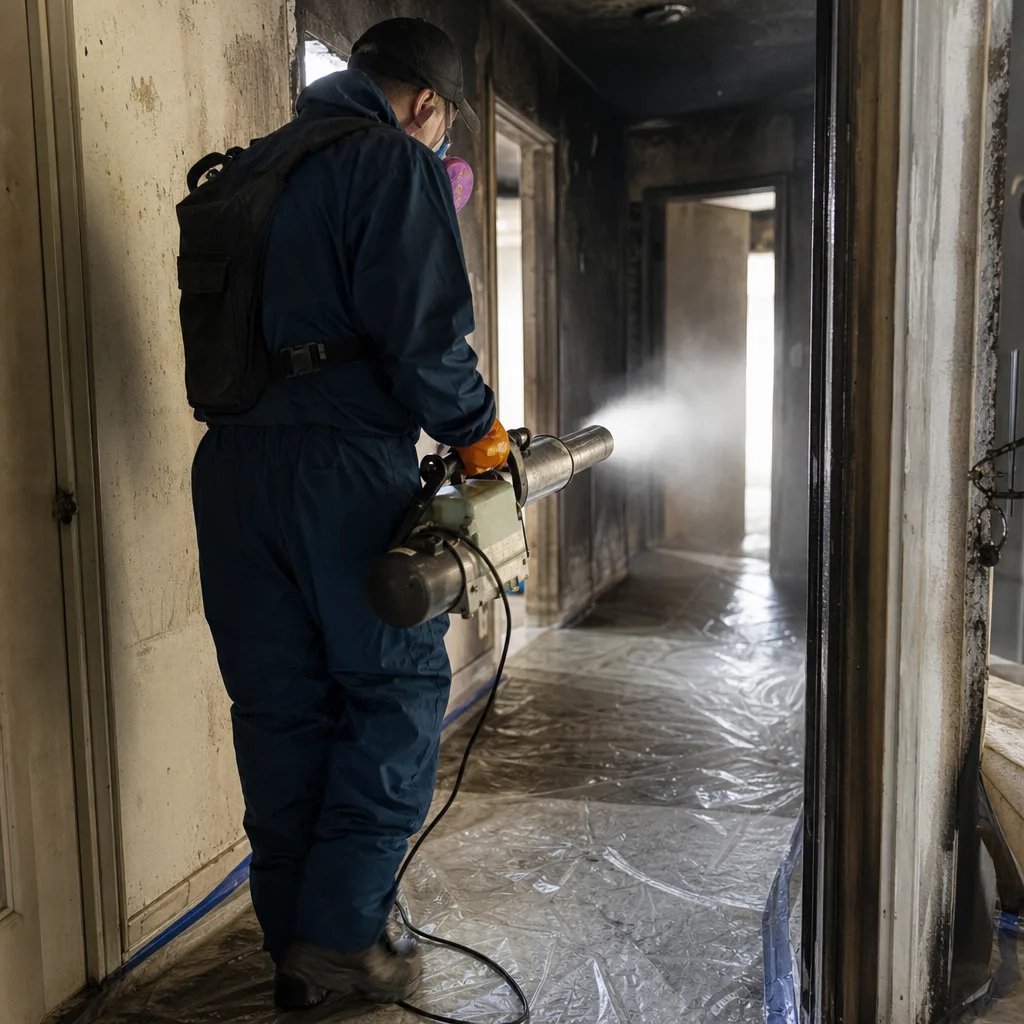
Smoke & Soot Removal
Synthetic stucco - EIFS and similar assemblies - dominates Enterprise’s housing stock, and it behaves differently than traditional masonry when exposed to smoke. The styrofoam insulation layer behind the stucco skin can absorb smoke odor and particulate, then re-release it when summer attic temperatures hit 140°F+. Our smoke and soot removal includes cavity inspection through strategic access points, not just surface cleaning, because we’ve learned that Enterprise homes with intact stucco exteriors often hide smoke reservoirs in the insulation board. We use HEPA air scrubbers from Phoenix and Dri-Eaz negative air machines to establish containment before opening walls. Smoke and soot removal in Enterprise typically costs $1,800-$4,500 depending on square footage affected.

Odor Removal & Deodorization
The same HVAC ductwork that circulates cooling through Enterprise homes during 115°F summers also distributes smoke particulate if the system was running during the fire. Our odor removal process includes duct camera inspection and, when indicated, sealant application or selective replacement of flex runs - particularly in the low-slope attic spaces common to Mountain’s Edge builds where ductwork was often installed with minimal slope for condensate drainage. Thermal fogging and ozone treatment are deployed only after source removal is complete; masking odor violates Haven Standard, Clause 3 on documented completion criteria. Odor removal and deodorization in Enterprise ranges from $950-$2,800.

Contents Cleaning & Pack-Out
Enterprise’s dense subdivision layout means many homes have limited garage storage, so contents often accumulate in interior rooms where smoke exposure is total. Our pack-out service inventories every item with photo documentation, transports contents to our cleaning facility, and stores them in climate-controlled vaults while structural work proceeds. For Mountain’s Edge homes with open floor plans, we’ve developed room-by-room segregation protocols that prevent cross-contamination between smoke-affected and protected zones. Contents cleaning and pack-out in Enterprise typically runs $1,400-$3,600 plus monthly storage at $180-$320.
Emergency Board-Up & Tarping
This is where Enterprise’s clustered failure pattern matters most. After a wind-driven fire or monsoon microburst, we regularly find that builder-grade sliding glass door tracks on 15-20-year-old homes have failed across entire blocks - not randomly. Our Fire & Smoke Damage Restoration team carries wind-rated plywood, structural screws, and temporary track hardware specifically sized for the door packages installed during Enterprise’s 2000s boom. We board and tarp to code-compliant wind resistance, not just visual coverage, because the next storm often arrives before permanent repairs begin. Emergency board-up and tarping in Enterprise starts at $850-$1,400, with full-perimeter securing of damaged homes running $2,200-$4,800.
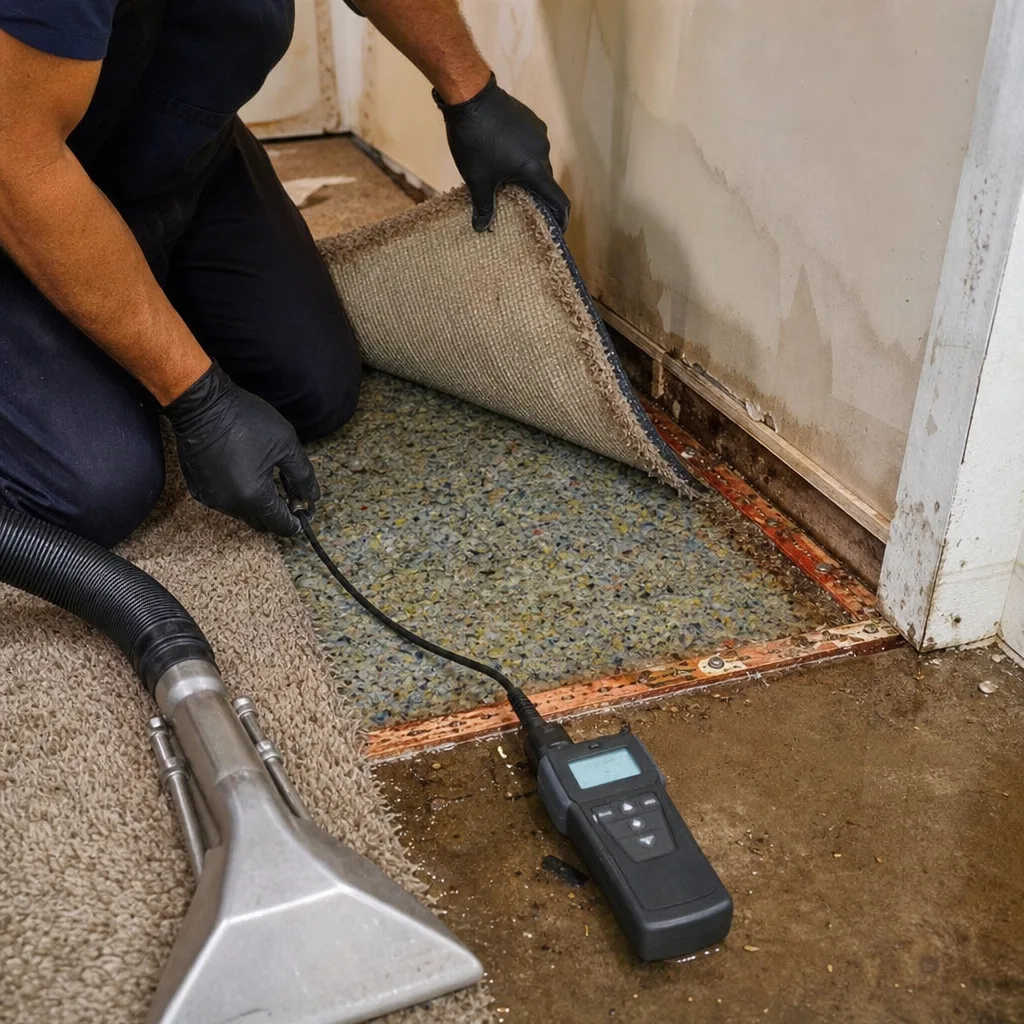
Structural Fire Repair
Enterprise’s post-2000 tract homes share engineered truss assemblies and prefabricated structural components that require specific fastening patterns and fire-rated assembly restoration. Our structural fire repair includes engineered repair documentation for permit submission to Clark County, material matching for the synthetic stucco and tile roof systems common to the area, and moisture verification behind all repaired assemblies before closure. We don’t close walls until the drying log shows equilibrium moisture content within 2% of unaffected areas - documented, photographed, and signed off. Structural fire repair in Enterprise ranges from $4,500-$14,500 depending on truss involvement and square footage.
What happens when you call
- 1
A real person answersNo phone trees - you reach a local pro.
- 2
You get an upfront price rangeHonest numbers before anyone is dispatched.
- 3
A background-checked tech heads outLicensed & insured, dispatched right away.
- 4
You approve before work beginsNothing starts until you say go.
BeforeAfterTrusted Brands We Service in Enterprise
Our equipment inventory includes professional-grade drying systems from Dri-Eaz, Phoenix, and XPOWER - brands that produce the airflow volumes and psychrometric control needed for Mojave Desert drying conditions. We stock HEPA filtration, negative air machines, and thermal imaging specifically sized for Enterprise’s typical 1,800-2,400 square foot tract home footprints, which means no waiting for equipment delivery while smoke residue sets. For board-up work, we carry wind-rated fastening systems tested to the velocity pressures common to Enterprise’s exposed western edge, where monsoon outflows accelerate across open desert before hitting subdivisions.
Common Fire & Smoke Damage Restoration Problems We See in Enterprise Homes
- Builder-grade door failures under wind load. The sliding glass door tracks and rollers installed during Enterprise’s rapid 2000s build-out are now reaching failure age. When monsoon winds or fire department ventilation operations stress these assemblies, the panel pops off-track and creates an opening where smoke and water drive directly into the wall cavity and slab edge. We see this clustered across entire blocks, not isolated to single homes.
- Flat-to-low-slope patio cover ponding. The patio cover rooflines common across Mountain’s Edge subdivigations were built with minimal slope for drainage. During monsoon downpours, water ponds at the house connection, backs under flashing, and enters attic spaces above fire-damaged ceiling drywall. Homeowners often don’t notice until our moisture mapping reveals saturated insulation above apparently dry ceiling panels.
- Stucco cracking at door jambs and corners. Synthetic stucco assemblies crack predictably at stress points after 15-20 years of thermal cycling in Enterprise’s extreme heat. Post-fire or post-storm, these cracks go unsealed, creating pathways for the next flash-flood event to push Category 2/3 water behind the stucco skin. The desert’s rapid ambient evaporation then hides this moisture from casual inspection until mold is established in the frame cavity.
- HVAC condensate back-up in attic spaces. The same undersized or improperly sloped condensate drain lines that cause hidden water losses across Enterprise also create smoke odor reservoirs when ductwork was running during a fire. Smoke particulate settles in condensate pans and drain lines, then reactivates when the system cycles, distributing odor months after surface cleaning is complete.
Pricing for Fire & Smoke Damage Restoration in Enterprise, NV
| Service | Typical Range in Enterprise | What Affects Cost |
|---|---|---|
| Emergency board-up & tarping | $850 - $4,800 | Linear feet of opening, wind-rating requirement, height access |
| Fire damage cleanup (partial structure) | $3,200 - $7,800 | Square footage affected, suppression water volume, contents density |
| Smoke & soot removal | $1,800 - $4,500 | Surface area, cavity access needs, HVAC involvement |
| Odor removal & deodorization | $950 - $2,800 | Ductwork extent, thermal fogging vs. ozone requirement, source accessibility |
| Contents cleaning & pack-out | $1,400 - $3,600 | Item count, specialty electronics/artwork, storage duration |
| Structural fire repair | $4,500 - $14,500 | Truss involvement, permit complexity, stucco match requirements |
These ranges reflect Enterprise’s market specifically - labor rates, material availability, and the uniform construction patterns that let us estimate efficiently without the unknowns of mixed-era housing stock. Every estimate is delivered in writing before work begins, with no scope additions once the crew is inside. Haven Standard, Clause 1. Bring a competitor’s written estimate and we’ll review it at no charge - our Free Second Opinion policy.
We Also Serve Cities Near Enterprise
Our crews work throughout the southern Las Vegas valley, including Enterprise and neighboring Henderson, Green Valley, Anthem, and Whitney. Dispatch and scheduling are coordinated from our Las Vegas office, with route optimization that keeps response times consistent across the service area. Whether your loss is in the Mountain’s Edge corridor or closer to the I-15 corridor in Henderson, the same documentation standards and written-price guarantee apply.
Serving Enterprise, NV - Our Local Coverage Area
We’re based in the Enterprise area and know this community well. Use the map below to see our service coverage - if you’re nearby, we can almost certainly help.
FAQs - Fire & Smoke Damage Restoration in Enterprise
Yes, it changes our mobilization and inventory planning significantly. Because Enterprise’s post-2000 tract homes overwhelmingly share the same sliding glass door packages, we see clustered failures across entire blocks after wind or fire events - not random single-home damage. We stock temporary track hardware, wind-rated plywood cut to standard opening sizes, and fastening systems specifically for these assemblies, which means faster board-up and less improvisation on-site. That predictability also helps us estimate accurately: we know the jamb construction, the stucco termination detail, and the moisture pathways these doors create when they fail. Call (725) 696-9449 for a written estimate on your specific opening - estimates are free.
Within hours, not days. Smoke residue is acidic and begins etching glass and corroding metal within the first 24 hours; in Enterprise’s extreme heat, that timeline compresses because surface temperatures accelerate chemical reactions. More critically, suppression water left standing on slab-on-grade construction over caliche begins wicking into wall cavities immediately - the Mojave’s rapid surface evaporation masks this until moisture mapping reveals saturated framing. We dispatch to Enterprise within 45-60 minutes for emergency calls, 24 hours a day. Call (725) 696-9449 - a live person answers, and you’ll have a written scope before any work starts.
Yes. Emergency board-up and tarping is same-day for all Enterprise calls, with our crews carrying inventory sized for the standard openings in local tract homes. After a monsoon microburst tore through the Mountain’s Edge corridor, we boarded and tarped a home two streets over from the community park where the sliding glass door had been pushed off its track and the stucco skin fractured at the jamb. Our tech ran moisture readings along the slab edge and behind the affected wall, because monsoon-driven rain had already wicked into the frame cavity; with the door panel removed and the opening secured, we began structural drying on the wet drywall and framing. The adjuster’s scope of work matched our drying logs almost line for line once we documented pre-loss condition on the intact rooms. Call (725) 696-9449 for immediate dispatch.
Absolutely - in two specific ways that surface cleaning misses. The synthetic stucco assembly includes a styrofoam insulation board layer that can absorb smoke particulate and odor, then re-release it when attic temperatures spike above 140°F in summer. And the flex duct runs common to Enterprise’s fast-built era often have minimal slope for condensate drainage, creating low spots where smoke-laden moisture pools and becomes a recurring odor source. Our process includes thermal imaging to identify stucco cavity involvement and duct camera inspection to locate hidden reservoirs - we don’t declare odor removal complete until both pathways are verified clean, documented, and signed off under our 365-Day Done Right Promise.
Systematic, photographed, and inventoried room by room. Mountain’s Edge homes typically have open floor plans that make smoke migration unpredictable, so we establish containment barriers before moving any item. Each piece is photographed in place, tagged with a barcode, and documented for condition - smoke-affected, heat-affected, or protected. Contents are transported to our climate-controlled facility, cleaned using methods matched to material (ultrasonic for hard goods, Esporta for textiles, hand-cleaning for electronics), and stored until structural work is complete and verified dry. The photo record and inventory list are provided to you and your adjuster as standard deliverables, never upsells. Monthly storage runs $180-$320 depending on volume. Call (725) 696-9449 to schedule pack-out assessment - estimates are free.
Written by Alicia Brennan, Owner at Back to Dry Restoration, serving Enterprise and the Las Vegas valley since 2011.