
Last updated September 23, 2026
Free visual inspection and a written scope of work before any mitigation begins - photos, moisture readings, and drying logs go in your claim file
The scope we write is the scope we bill. Anything new gets shown to you, in writing, before we touch it.
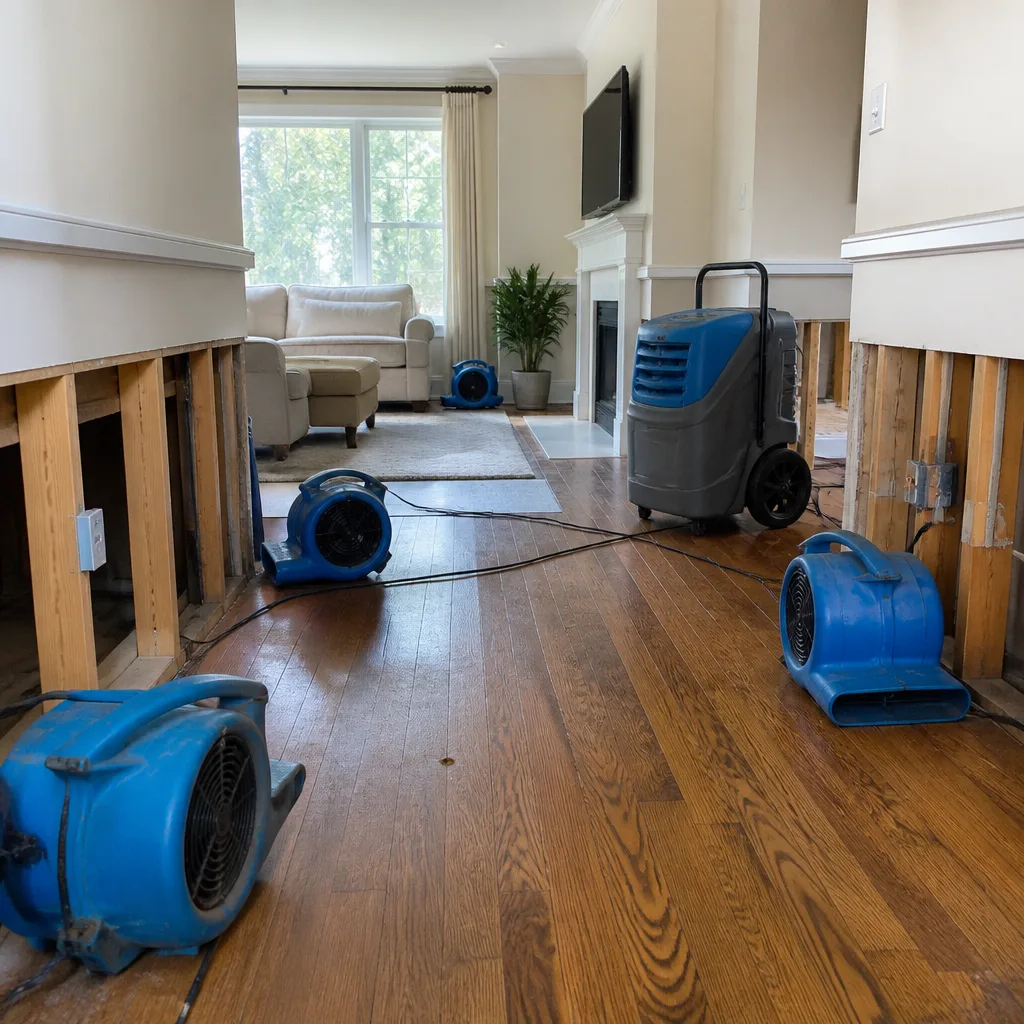

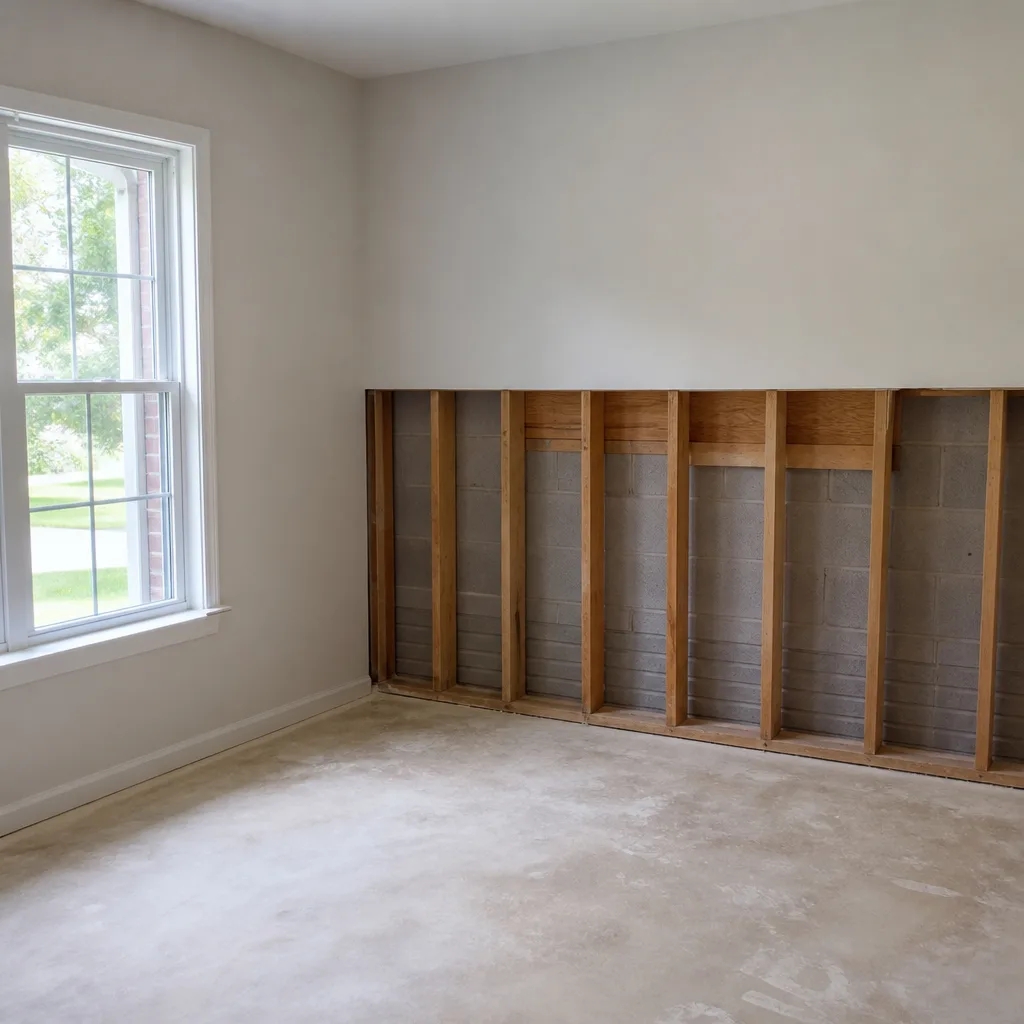

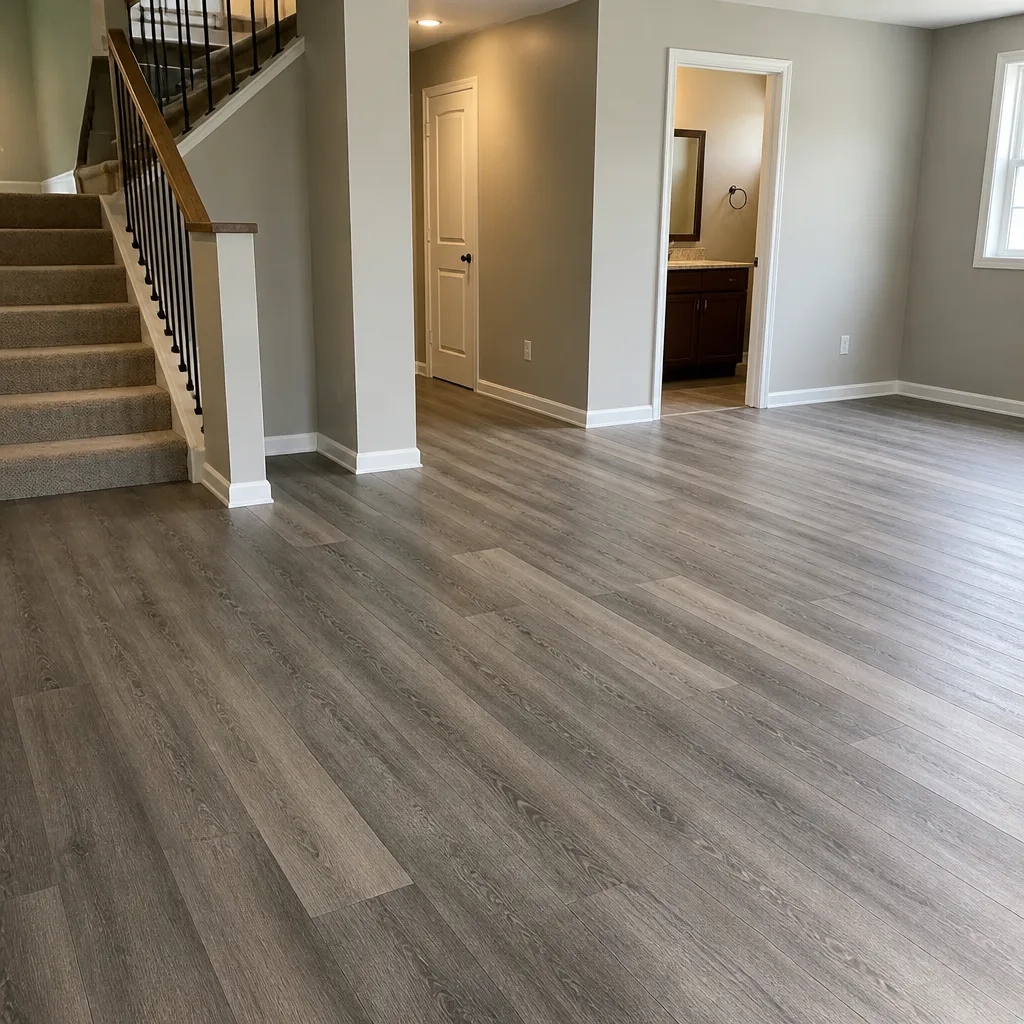

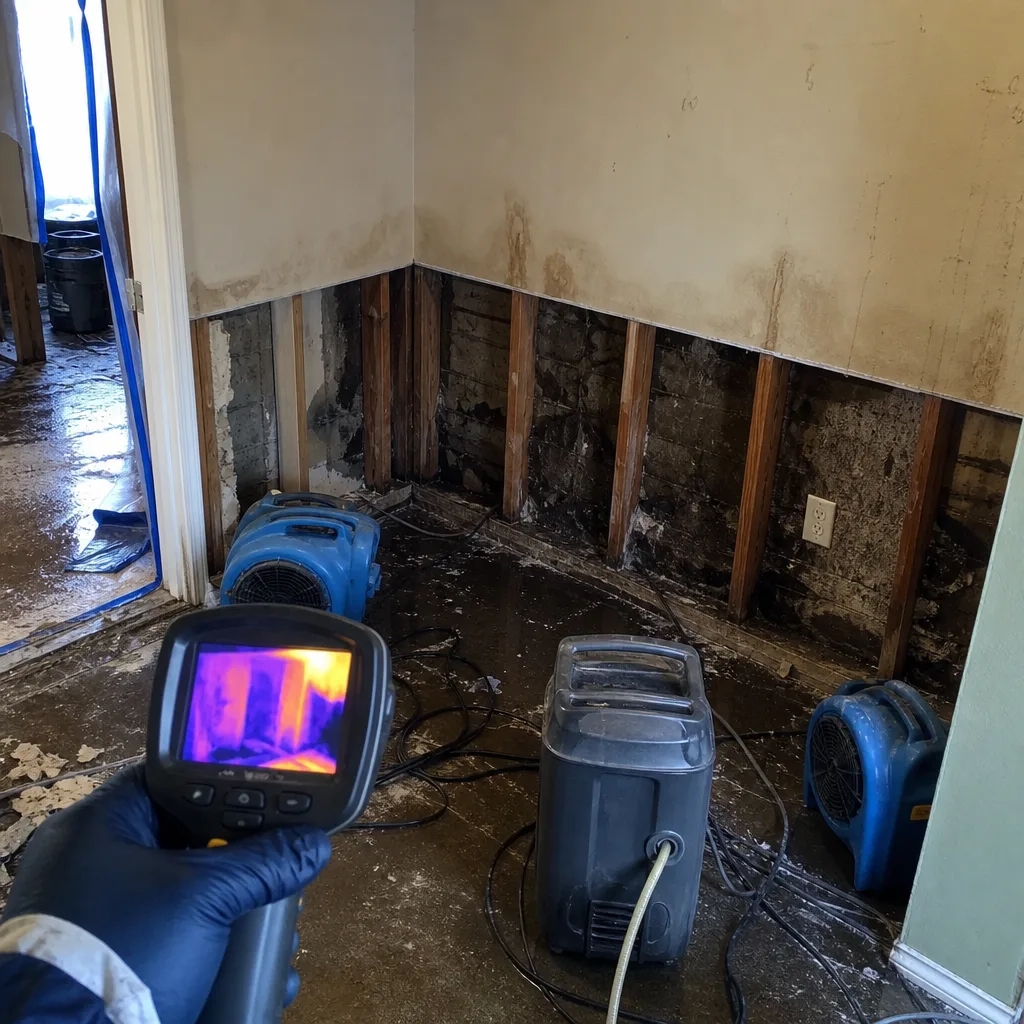 Before
 After
After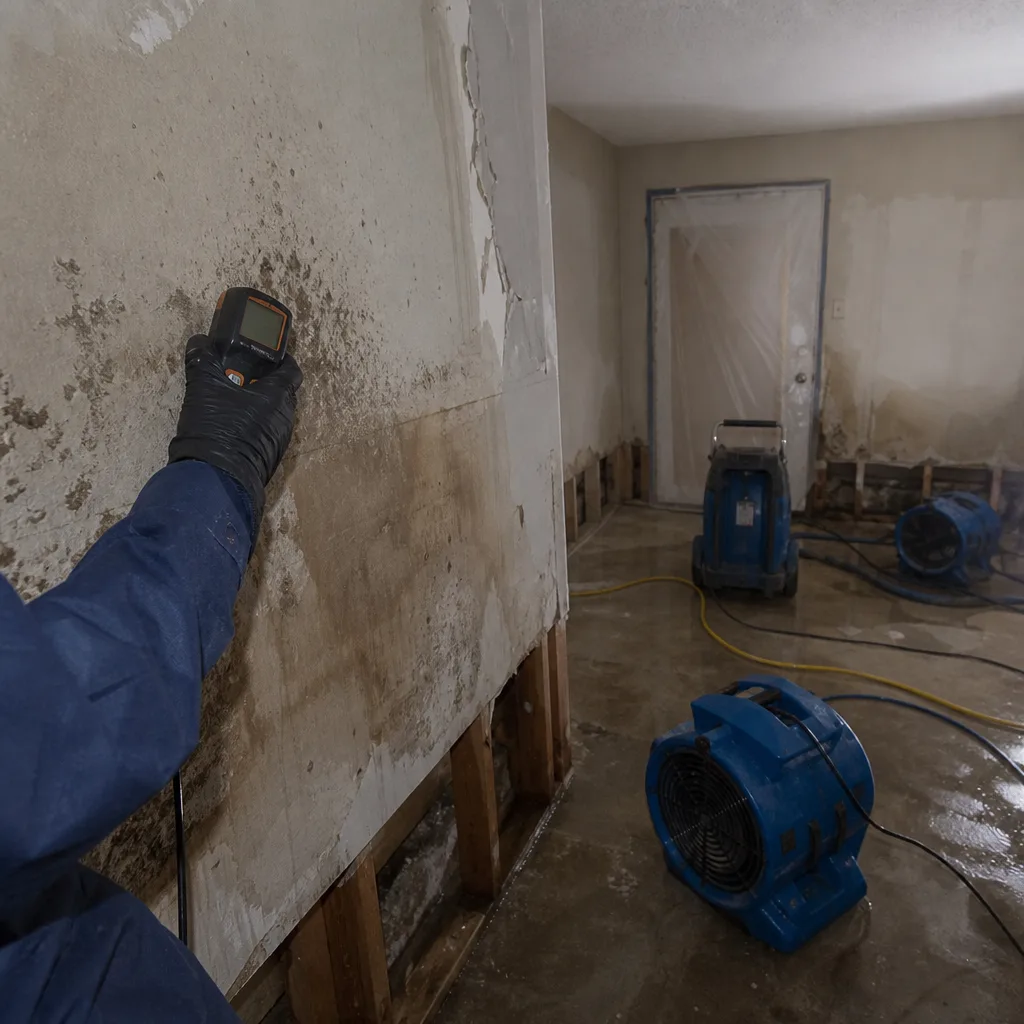 Before
 After
After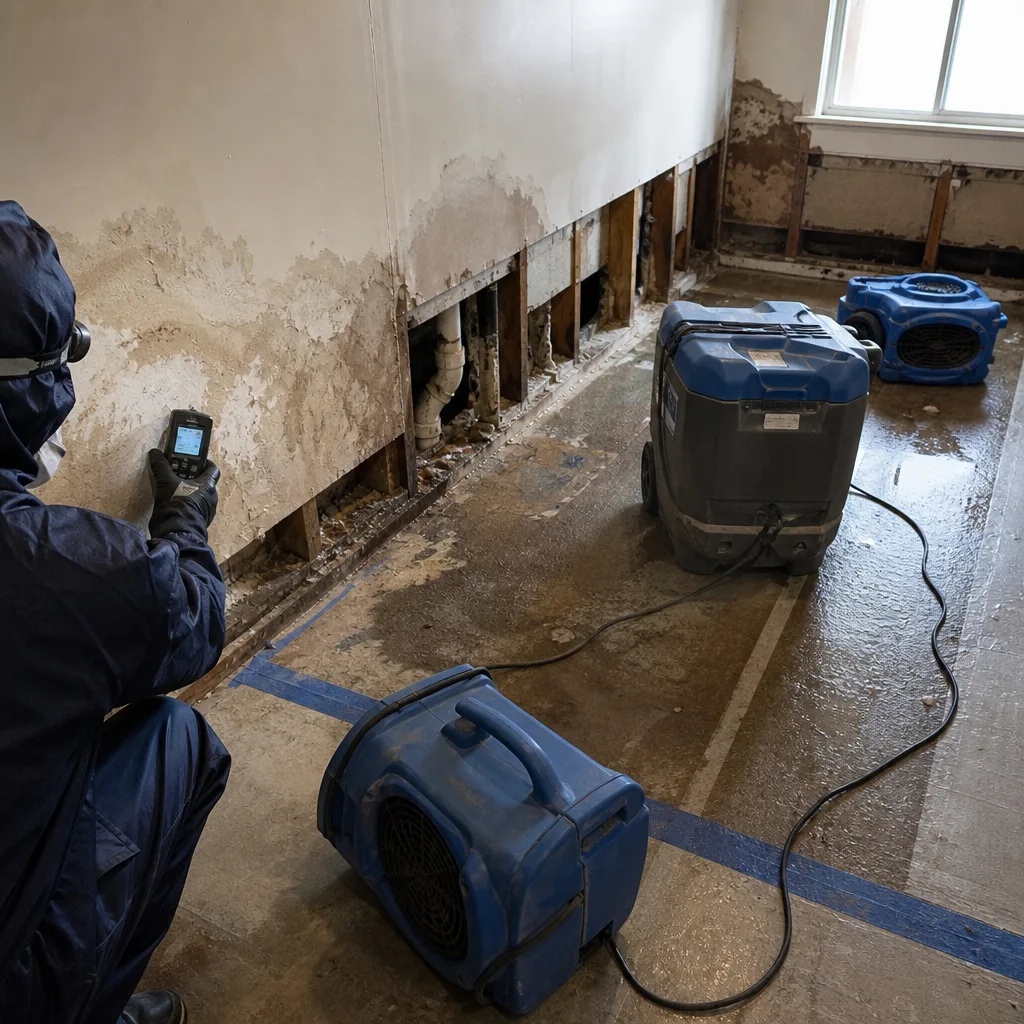 Before
 After
AfterSeasonal Damage Restoration Care for Henderson: Year-Round Homeowner’s Guide
Henderson’s July monsoon season delivers more moisture in six weeks than the city receives in the other ten months combined. Most water losses from that period aren’t reported until August, when hidden moisture has already fed mold for weeks. In our experience restoring over 12,000 homes since 2011, the homeowners who spend the least on restoration are the ones who stopped treating their calendar like a generic four-season template and started treating it like the two high-risk windows and two maintenance windows that Henderson’s climate actually creates. This guide maps those four phases with specific checks, measurable benchmarks, and documentation habits that turn seasonal maintenance into evidence if you ever need to file a claim, and points you to our more guides & resources for year-round home protection.
Quick Answer
Henderson homeowners should structure their year around four distinct phases: pre-monsoon preparation (May-June), monsoon monitoring (July-August), post-storm inspection (September), and winter HVAC condensate management (November-February). Each phase requires specific measurable checks - roof penetration inspection, indoor humidity benchmarks, and HVAC drain pan readings - documented with dated photos to preserve insurance coverage and catch moisture before it becomes mold. For a printable version of these tasks, see our Water Damage Restoration Maintenance Checklist for Henderson Homeowners.
Table of Contents
- Why Henderson’s Climate Demands a Different Calendar
- Pre-Monsoon Preparation: May-June
- Monsoon Monitoring: July-August
- Post-Storm Inspection: September
- Winter HVAC Condensate Season: November-February
- Building Your Seasonal Photo-Dated Documentation System
- Which Maintenance Items Your Nevada Policy Requires
- Common Mistakes to Avoid
- When to Call a Professional
- Frequently Asked Questions
- The Bottom Line
 Before
 After
AfterWhy Henderson’s Climate Demands a Different Calendar
Most seasonal home maintenance guides assume four roughly equal quarters. That model fails in Henderson, as detailed in The Complete Guide to Damage Restoration in Henderson.
The numbers tell a different story. Henderson sits at roughly 1,330 feet elevation, about 500 feet higher than the Las Vegas Strip, with different drainage patterns and slightly cooler nights that create distinct condensation behavior. The city averages 4.5 inches of annual rainfall, but 2.8 of those inches typically arrive between July 1 and mid-August in sudden, high-intensity bursts. Flash flooding in the Anthem and Seven Hills master-planned communities, roof leaks in older Green Valley ranch homes, and foundation moisture in the Foothills area all spike during this narrow window.
The second high-risk period is quieter but equally destructive. From November through February, Henderson’s temperature swings - daytime highs in the 60s, nighttime lows in the 30s - force HVAC systems into heavy condensation cycles. We’ve documented more hidden water losses from clogged condensate lines in January than from burst pipes, because homeowners don’t associate desert winters with moisture problems.
The remaining months - March through April, and October - function as maintenance windows. These are when you document baseline conditions, perform preventive work, and create the photo records that prove due diligence if a claim arises.
Understanding this rhythm changes what you check, when you check it, and what tools you use.
Pre-Monsoon Preparation: May-June
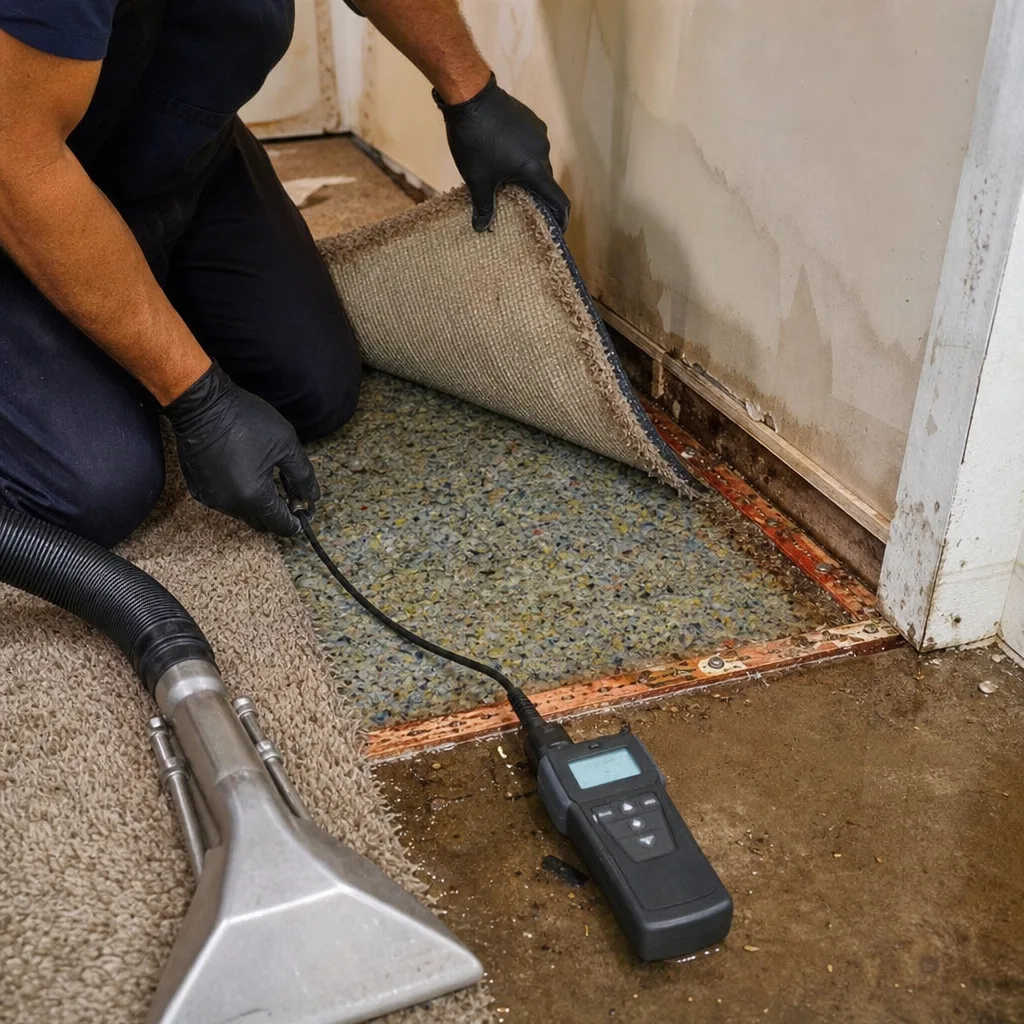
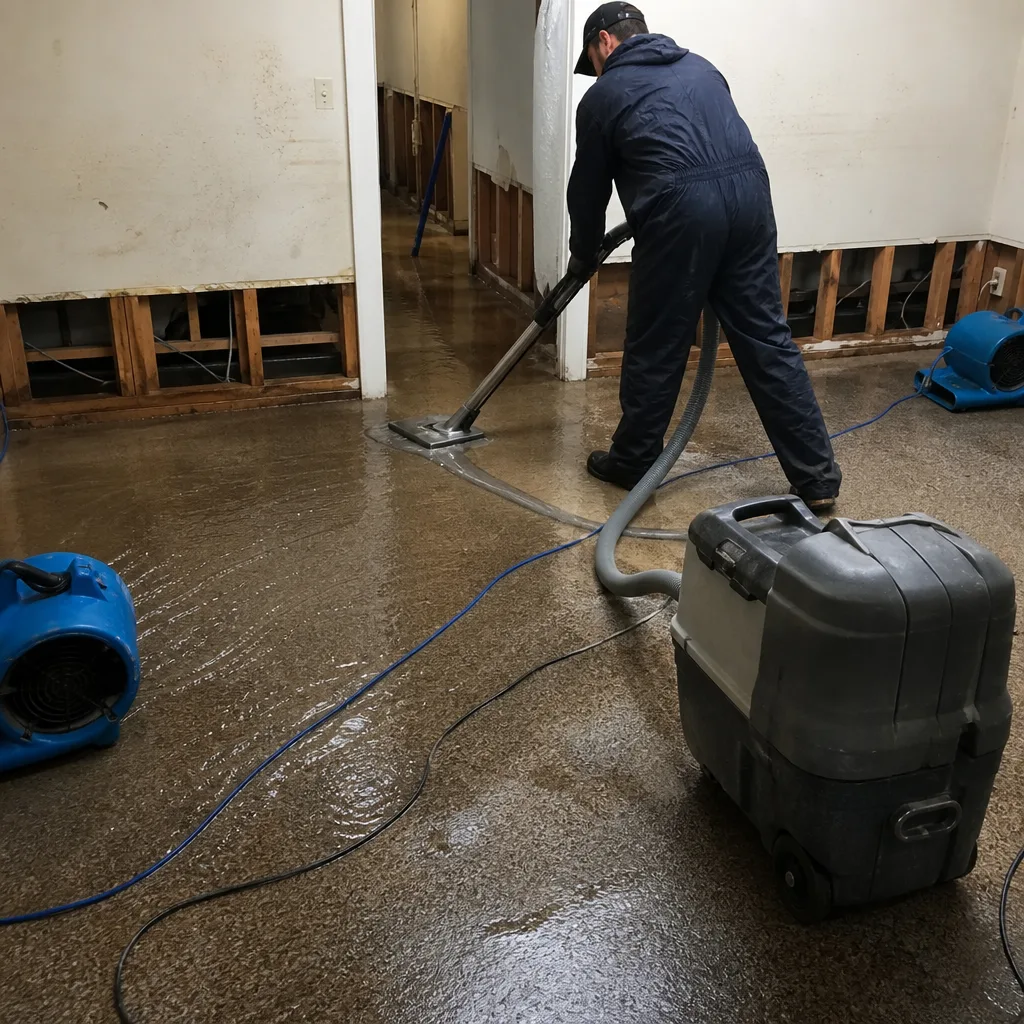
By late May, the North American Monsoon circulation pattern is already building. The atmospheric moisture isn’t here yet, but the preparation window is closing. This six-week period is for systematic inspection and measurable documentation.
Roof and Penetration Inspection
Start with the roof plane and every penetration. In Henderson, the combination of intense UV exposure and sudden thermal shock from summer storms creates a specific failure pattern: sealant around vents, skylights, and HVAC curbs dries and cracks in spring heat, then fails catastrophically under the first monsoon deluge.
We recommend a three-point check with specific measurements:
- Flashing gaps: Check all roof penetrations with a bright flashlight. Any gap wider than 1/8 inch at sealant joints requires resealing. Photograph each penetration with a ruler or coin in frame for scale.
- Valley debris: Henderson’s palo verde and mesquite trees shed heavily in late spring. Clear valleys and gutters completely - water depth in a clogged valley during a monsoon downpour can exceed 6 inches, forcing water under shingles.
- Attic ventilation balance: Measure intake (soffit) and exhaust (ridge or gable) vent area. The FHA recommends 1:150 ratio of vent area to attic floor area in hot climates. Undervented attics in Henderson can reach 160°F, accelerating shingle degradation and creating thermal drive that forces moisture inward during storms.
HVAC System Preparation
Your air conditioning system will run continuously from June through September. A failed condensate pump or clogged drain line during peak load creates an active water source inside your home precisely when humidity is highest.
Perform these checks:
- Verify the condensate drain line flows freely - pour a quart of water into the pan and confirm it exits at the termination point within 30 seconds.
- Inspect the evaporator coil access panel for gaps that could allow condensate to bypass the pan.
- Check the secondary drain pan (the one under the air handler) for rust holes or standing water. In Henderson, we’ve found pans in MacDonald Ranch homes corroded through after just 8-10 years due to alkaline condensate.
- Document with photos: the clean drain line, the dry secondary pan, the sealed access panel. Date every image.
Foundation and Grading
Henderson’s caliche soil - a cement-like layer of calcium carbonate - creates unique drainage problems. Water that can’t percolate down moves horizontally, finding foundation cracks or slab edges. In the Inspirada and Cadence developments, where cut-and-fill grading is common, we’ve seen monsoon water travel 30 feet laterally to enter a foundation.
Walk your property perimeter after a test watering of landscaping. Water should flow away from the foundation within 10 minutes. Any pooling within 6 feet of the slab indicates a grading or drainage problem that monsoon intensity will exploit.
Document the slope with a level photo showing the grade direction. This becomes evidence that pre-existing conditions were managed, not neglected.
Monsoon Monitoring: July-August
When the monsoon arrives, maintenance shifts to active monitoring. The goal is detection speed - finding water within hours, not weeks.
Indoor Humidity Benchmarks
Henderson’s normal indoor relative humidity runs 15-25%. During monsoon events, outdoor humidity can spike to 70%+. Your home should not follow.
Establish these measurable benchmarks:
- Target indoor relative humidity: 30-50% (measured with a calibrated hygrometer, not your thermostat’s approximate reading).
- Warning threshold: sustained readings above 55% for more than 24 hours indicate either infiltration, system failure, or hidden moisture source.
- Critical threshold: 60% or higher triggers immediate investigation - this is the mold germination zone for common Henderson species including Aspergillus and Penicillium.
Record daily readings during active monsoon periods. A simple spreadsheet with date, time, location, and reading takes 30 seconds and creates a moisture timeline if problems develop.
Storm Event Protocol
When a monsoon cell hits - often with 60+ mph outflow winds and rainfall rates exceeding 2 inches per hour - execute this sequence:
- During the storm: Note start time, visible wind direction, and any observable water behavior (gutter overflow, window leakage, door seepage). Photograph or video if safe.
- Within 2 hours after: Check attic access points for dripping, staining, or damp insulation. Check interior ceilings along roof valleys and penetration lines. Check garage and exterior walls for water entry at sill plates.
- Within 24 hours: Inspect all closets, cabinets, and storage areas on exterior walls - these are where slow leaks hide. Run your hand along baseboards; any coolness or discoloration warrants moisture meter investigation.
- Within 72 hours: If any moisture was found, measure affected materials with a pin-type moisture meter. Drywall above 1% moisture content by weight, or wood framing above 16%, requires professional drying assessment.
The 72-hour window is critical. Mold colonization on cellulose materials begins at 48-72 hours of sustained moisture. Detection at hour 24 versus hour 168 is the difference between targeted drying and full Mold Remediation in Henderson.
Specific Henderson Vulnerability: Stucco and EFIS
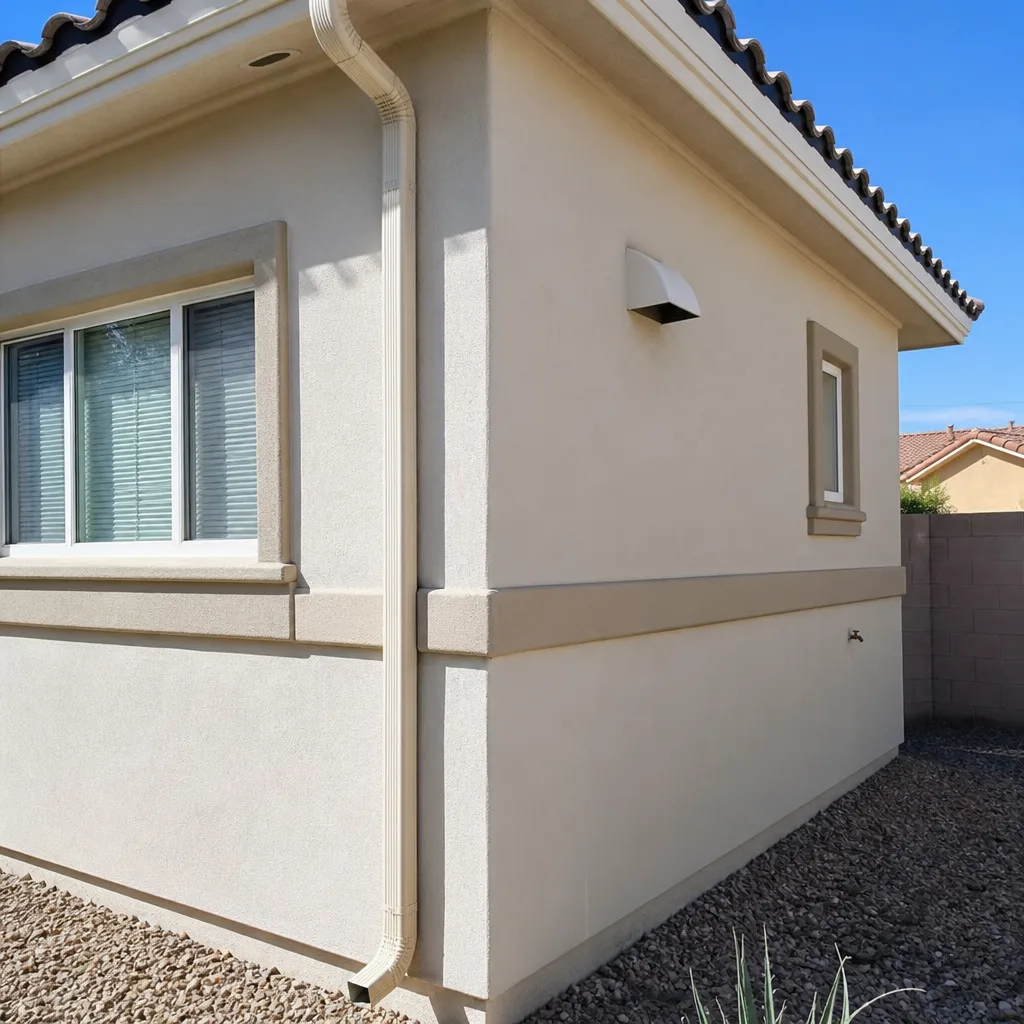
Henderson’s stucco exteriors, particularly synthetic stucco systems (EFIS) installed in 1990s-2000s construction, trap monsoon moisture if the drainage plane fails. We’ve documented cases in Green Valley Ranch where water entered through a single cracked window seal, traveled the EFIS drainage channel, and saturated an entire wall cavity without visible interior staining for three weeks.
During monsoon season, check EFIS surfaces for bubbling, soft spots, or discoloration. These indicate moisture behind the system. Tap gently - a hollow sound suggests detachment and trapped water.
Post-Storm Inspection: September
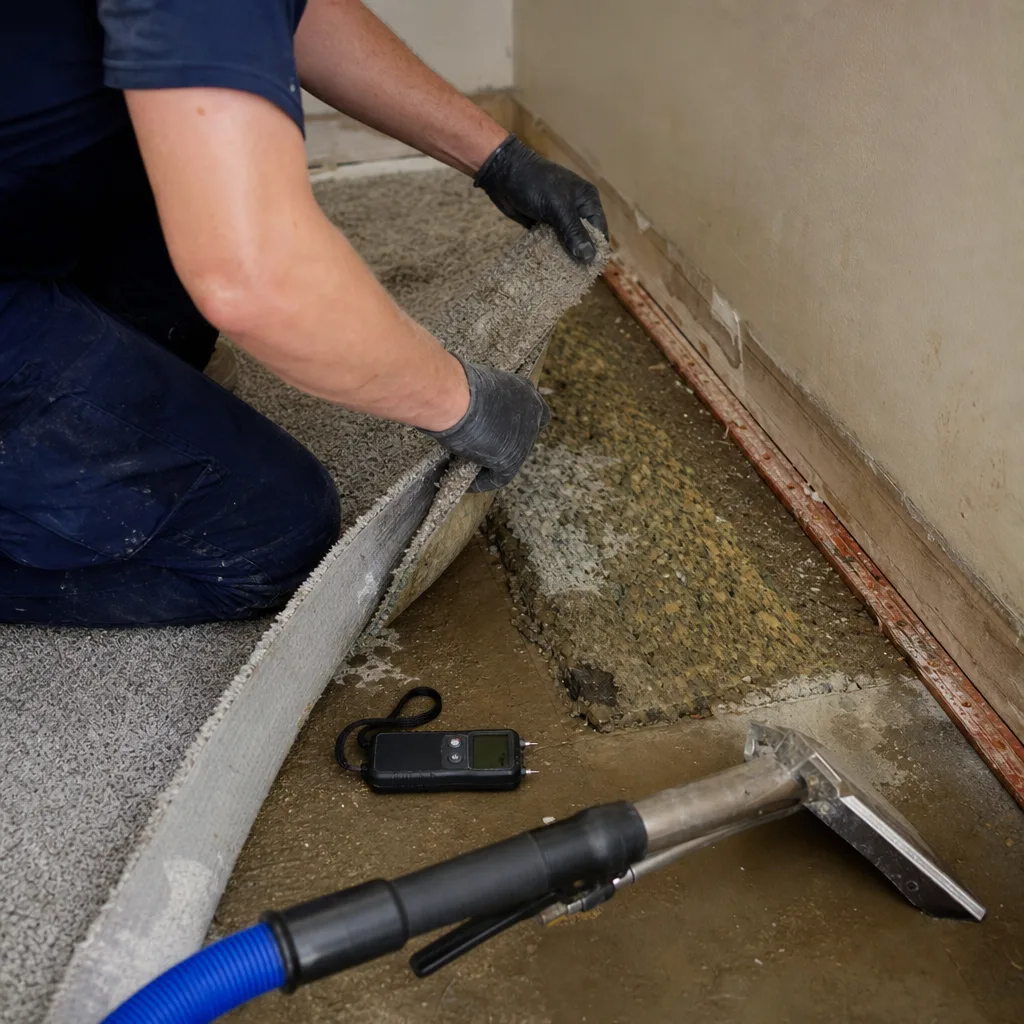
September in Henderson is the forgotten month. Monsoon activity tapers, temperatures remain high, and homeowners shift attention to school schedules and holiday planning. This is precisely when hidden moisture completes its transition to mold.
The September Deep Check
Perform this inspection during the third week of September, after monsoon activity has declined but before nighttime temperatures drop significantly:
- Attic comprehensive: With a bright flashlight, inspect every roof penetration from inside. Look for darkened sheathing, compressed or stained insulation, and any musty odor. Use a moisture meter on suspect sheathing - readings above 20% indicate active or recent leakage.
- Crawl space or slab edge: In homes with raised floors (common in older Henderson neighborhoods and some custom builds), check vapor barriers for standing water and framing for fungal growth. On slab construction, inspect exterior stem walls for efflorescence - the white powdery deposits that indicate moisture migration through concrete.
- HVAC plenum and ductwork: Remove and inspect supply registers. Mold in Henderson ducts often first appears as dark spotting on the visible register surface, then as musty odor when the system cycles. The combination of monsoon humidity and continuous AC operation creates ideal conditions for Cladosporium growth in fiberglass-lined ductwork.
- Window and door frames: Open every window fully. Check the sill and jamb bottoms for softness, discoloration, or fungal growth. South- and west-facing exposures take the most thermal stress and sealant failure.
- Landscape irrigation proximity: Verify that post-monsoon adjusted irrigation schedules aren’t spraying foundation walls. Many Henderson homeowners increase watering in September to recover stressed plants, inadvertently creating foundation moisture problems just as the dry season returns.
Documentation for Claims
September inspection photos serve a dual purpose. They establish post-monsoon baseline conditions, and if damage is found, they demonstrate that the homeowner performed reasonable due diligence promptly after the risk period. Nevada courts and insurers have denied claims where homeowners waited six months to report water damage, arguing that failure to inspect constituted negligence.
Your photo record should include: wide shots establishing location, close-ups with measurement scale, moisture meter readings in frame, and a written log with date, time, weather conditions, and inspector name.
Winter HVAC Condensate Season: November-February
Henderson’s winter moisture risk is invisible. No dramatic storms, no visible flooding - just steady, low-grade water production from heating and cooling systems operating across wide temperature differentials.
The Condensate Cycle
When your heat pump runs in heating mode, the outdoor coil becomes the evaporator, producing condensate that drains through the same lines used for summer cooling. When the system switches to cooling during a warm afternoon, the indoor coil produces condensate. In Henderson’s variable winter weather, some systems cycle between modes weekly or even daily.
This creates specific failure modes:
- Dual-season biofilm buildup: Condensate lines that ran all summer develop bacterial slime. Winter reduced flow doesn’t flush it. The first heavy winter production cycle plugs the line.
- Trap dry-out: P-traps in condensate lines can dry during Henderson’s dry periods, allowing sewer gas entry and breaking the seal that prevents drain backflow.
- Secondary pan neglect: Homeowners who checked the secondary pan in May forget it by December. A rusted or misaligned pan in winter dumps water directly onto ceiling drywall during a heating-defrost cycle.
Monthly Winter Checks
Perform these on the first weekend of each month, November through February:
- Run the system in heating mode for 30 minutes, then check the outdoor condensate termination for flow. No flow during active heating with outdoor temperatures below 50°F indicates blockage.
- Switch to cooling mode (yes, even in December - run it for 15 minutes) and verify indoor condensate flow from the primary drain. Check the secondary pan simultaneously for any accumulation.
- Inspect the indoor air handler cabinet base with a flashlight. Any moisture, rust streaking, or mineral deposits indicate past or present leakage.
- Measure indoor humidity. Winter target in Henderson: 30-40%. Below 25% causes material shrinkage and static; above 45% with 65°F+ indoor temperatures supports mold on cold exterior wall surfaces.
The Cold-Weather Wall Cavity Problem
Henderson’s winter temperature swings create a specific moisture pattern we’ve documented repeatedly in homes west of Stephanie Street and in the Tuscany village area. Warm indoor air (68-72°F) contacts exterior wall sheathing cooled by nighttime temperatures in the 30s. The sheathing temperature drops below the dew point, and condensation forms on the interior face of the sheathing, inside the wall cavity.
This hidden moisture doesn’t dry quickly because:
- Stucco and EFIS exterior finishes reduce outward vapor drive.
- Polyethylene vapor barriers (common in 1990s-2000s construction) trap moisture inward.
- Henderson’s low winter humidity means homeowners don’t run dehumidifiers, so interior moisture sources (cooking, showers, plants) elevate humidity unchecked.
Warning signs: musty odor in bedrooms on north-facing walls, wallpaper or paint bubbling at exterior wall corners, baseboard separation from drywall. Confirmation requires invasive inspection - small inspection holes with a borescope camera - which is where professional assessment becomes appropriate.
Building Your Seasonal Photo-Dated Documentation System

Documentation transforms maintenance from a feel-good activity into financial protection. Here’s how to build a system that satisfies insurer requirements and establishes homeowner due diligence.
The Four-Component Record
Each seasonal inspection produces four deliverables:
- Photo record: Minimum 20 images per inspection, each with date stamp, location description, and condition noted. Include both wide establishing shots and detail images with measurement reference.
- Moisture log: Written record of all meter readings, with meter brand/model, probe type, material tested, and reading. Example: “Protimeter Surveymaster, pin mode, garage west wall baseplate, 18.3% - elevated, monitor monthly.”
- Written scope of any work performed: If you reseal a vent, clean a drain, or adjust irrigation, write what was done, when, and with what materials. This is the habit that DryMark Restoration Henderson home documentation is built on - applied to homeowner maintenance.
- Comparison documentation: Each inspection references the prior inspection’s findings. “October 2024: west bedroom humidity 42%, no visible mold. January 2025: west bedroom humidity 48%, slight discoloration at baseboard corner - investigate further.”
Storage and Access
Store records in three locations: local device, cloud service with automatic backup, and physical print in a fire-resistant document box. Insurance adjusters request documentation within 48 hours of claim filing. Homeowners scrambling to reconstruct six months of maintenance history under that deadline invariably miss critical evidence.
At DryMark Restoration Henderson, every job we perform includes a documented photo record as standard - not as an upsell. We apply the same standard to our own properties, and we recommend it for every Henderson homeowner we work with.
Which Maintenance Items Your Nevada Policy Requires
Standard Nevada homeowner policies contain specific maintenance obligations that, if unmet, allow claim denial. These aren’t obscure clauses - they’re prominently placed in the “Duties After Loss” and “Neglect” sections.
Explicitly Required Maintenance
Review your policy declarations page and locate these specific obligations:
- Roof maintenance: Most policies require “reasonable care” of roof coverings, with specific exclusion for damage “caused by or resulting from wear and tear, marring, deterioration.” A claim for monsoon water intrusion through 20-year-old shingles with documented granular loss will likely be denied. Annual inspection photos prove the roof was maintained, not neglected.
- HVAC system service: Some policies explicitly require “regular servicing by qualified technicians” for coverage of water damage originating from the system. Keep service invoices with dates and technician credentials.
- Immediate mitigation duty: After discovering water damage, Nevada policies universally require the insured to “take all reasonable steps to protect the property from further damage.” This means immediate water extraction, dehumidification, and damaged material removal - not waiting two weeks to see if it dries on its own. Documentation of your rapid response supports claim validity.
- Foundation drainage: Policies covering “sudden and accidental” water damage often exclude “water below the surface of the ground.” However, surface water from improper grading that enters the foundation may be covered if the homeowner maintained proper drainage. September grading documentation supports this distinction.
The Documentation Gap That Costs Claims
Our founder, Alicia Brennan, built Back to Dry around the documentation gap she observed as a claims adjuster: homeowners with legitimate damage lost coverage because they couldn’t prove maintenance history, response timing, or damage progression. The seasonal system described here closes that gap systematically.
When we provide Water Damage Restoration in Henderson, our written scope, daily moisture logs, and photo documentation are formatted specifically for adjuster review. Homeowners who maintain similar seasonal records find their claims process faster and their coverage disputes fewer.
Common Mistakes to Avoid
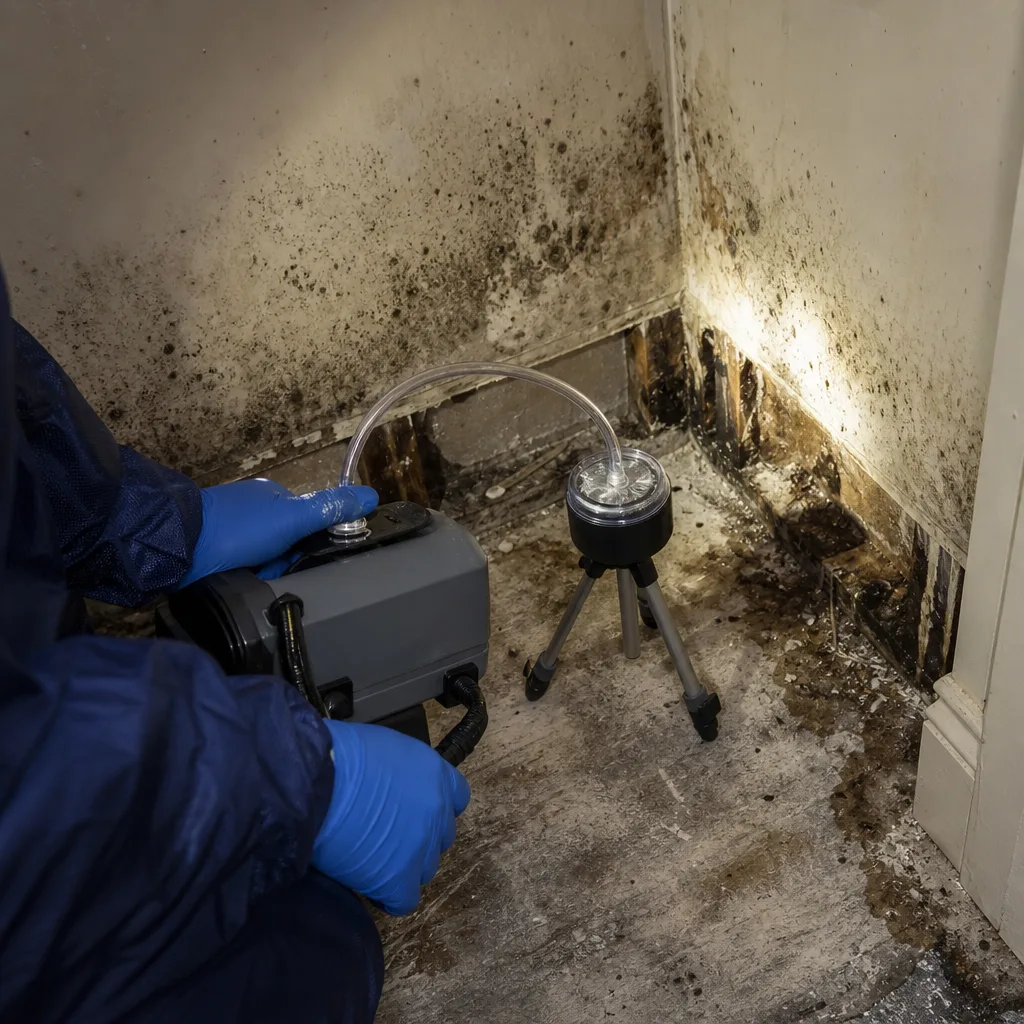
- Waiting for visible mold before acting. By the time mold is visible, colonization has typically spread 3-5 times the apparent area. In Henderson’s low-humidity environment, mold often grows slowly enough to remain hidden for months, then appears suddenly when conditions shift.
- Assuming desert dryness prevents moisture problems. Henderson’s absolute humidity is low, but localized moisture sources - condensate lines, irrigation leaks, monsoon infiltration - create microenvironments where mold thrives. We’ve found active growth in attics with 18% ambient humidity because a small roof leak created a saturated sheathing pocket at 85% relative humidity.
- Using consumer-grade moisture meters for critical decisions. Pinless meters measure surface moisture only and can miss saturated substrate. Pin-type meters with insulated probes provide depth readings. For $150-250, a homeowner-grade Protimeter or Delmhorst provides accuracy sufficient for documentation. For disputed claims, professional-grade readings with calibrated equipment carry more weight.
- Neglecting the September inspection. This is the highest-leverage maintenance window in Henderson’s calendar, and the most commonly skipped. The combination of recent monsoon exposure and still-warm temperatures creates ideal mold germination conditions.
- Failing to document HVAC maintenance. Condensate-related water damage is among the most commonly disputed claim types. Service invoices and self-performed monthly checks with photos establish the maintenance history that defeats “neglect” arguments.
- Ignoring elevation and soil differences from Las Vegas. Henderson’s higher elevation, different soil composition, and distinct master-planned community drainage designs create vulnerability patterns that don’t apply 15 miles north. Advice from Las Vegas-focused sources often misses Henderson-specific caliche drainage and community association maintenance boundaries.
- Performing maintenance without photo documentation. The work itself proves nothing to an adjuster. The dated, detailed record proves everything. A homeowner who cleaned gutters in June but has no photos receives no credit for that diligence in October when a claim is filed.
When to Call a Professional
Some seasonal maintenance is appropriate for capable homeowners. Some conditions require professional assessment without delay.
Call for professional evaluation when: moisture meter readings exceed material-specific thresholds (drywall 1%, wood framing 16%, sheathing 20%); you detect musty odor without visible source; mold growth exceeds 10 square feet (EPA remediation threshold); water intrusion involves Category 2 or 3 sources (dishwasher drain, washing machine overflow, sewage backup); or your HVAC system produces condensate anywhere except the designed drain path.
For Fire & Smoke Damage Restoration in Henderson or any damage requiring reconstruction, professional scoping is essential before any work begins - this is scheduled, priced, and documented work, not emergency dispatch.
DryMark Restoration Henderson offers free estimates in Henderson. Call (725) 696-9449. Every estimate includes a written price before work begins, Haven Standard, Clause 1. We also provide free second opinions on any competitor’s written estimate - bring their scope and we’ll review it at no charge.
Frequently Asked Questions
Systematic seasonal maintenance typically costs $200-600 annually in materials, tools, and professional HVAC service, while monsoon-related water damage restoration in Henderson averages $3,800-$12,000 depending on affected area and duration before detection, per our Damage Restoration Cost Breakdown: The Henderson Homeowner’s Reference for 2026. Mold remediation adds $2,000-$8,000 when moisture has been present more than 72 hours. The prevention-to-restoration ratio is roughly 1:15 to 1:30. Call (725) 696-9449 for a free estimate on any current concern - estimates are free.
Coverage depends on policy language and documentation. Nevada standard policies exclude “gradual deterioration” and “neglect” but cover “sudden and accidental” damage. A homeowner with documented seasonal maintenance who experiences a sudden roof failure during a storm has stronger coverage standing than one with no maintenance record. The maintenance itself doesn’t guarantee coverage, but the documentation significantly improves claim defensibility. For disputed claims, our photo-documented assessments can support your position with adjusters.
Live phone coverage is available 24 hours a day, 7 days a week with no voicemail on emergency lines. Emergency water damage dispatch targets arrival within 90 minutes during active monsoon events, though severe weather conditions may extend this. Reconstruction and non-emergency services are scheduled and scoped in writing, not dispatched for same-day arrival. Call (725) 696-9449 - a live person answers every call.
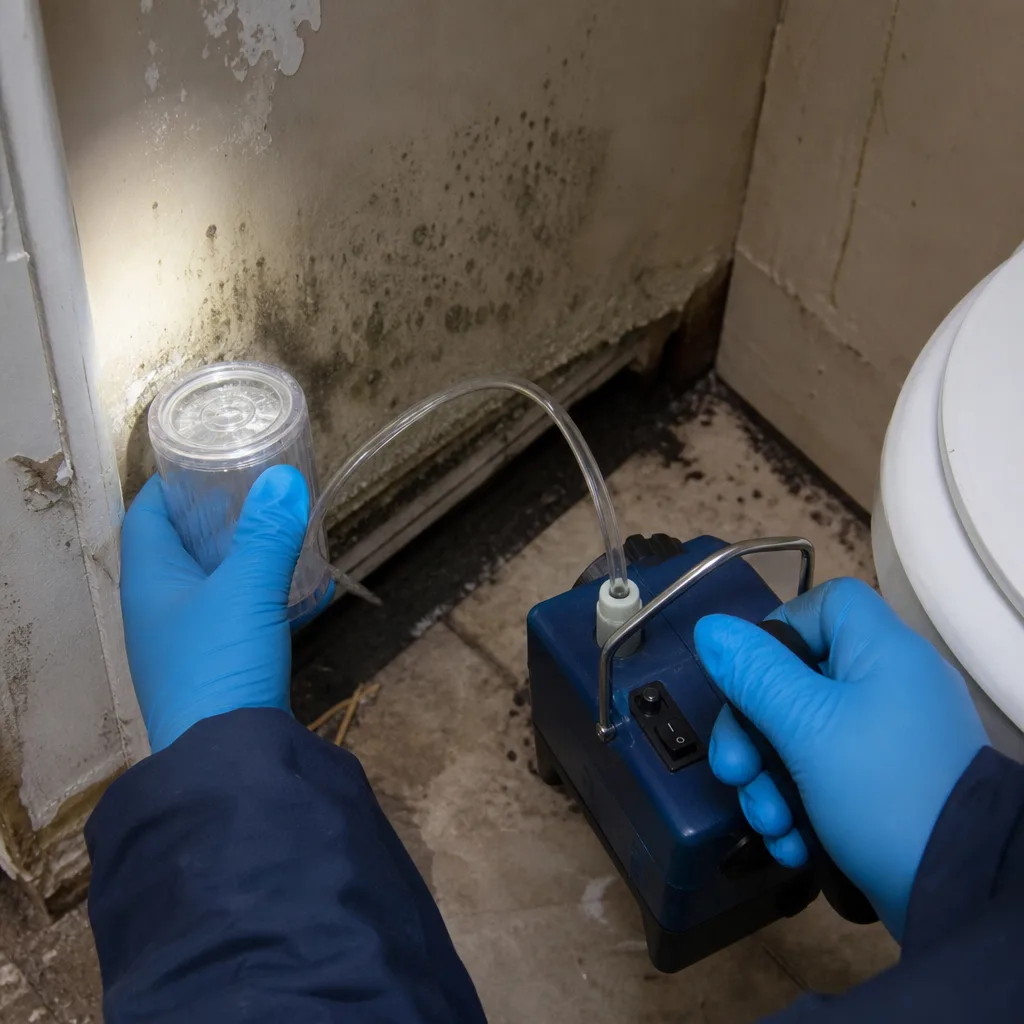
Home test kits provide limited information and are rarely accepted by insurers or in dispute resolution. Professional assessment includes air sampling with calibrated pumps, surface sampling with clear chain of custody, and moisture mapping to identify hidden sources. For Henderson homeowners, we recommend professional assessment when visible mold exceeds 10 square feet, when musty odor persists without visible source, or when mold is suspected behind wall coverings. Our assessments include written findings with photo documentation suitable for insurance submission.
Henderson’s 500-foot elevation difference creates slightly cooler nights and different thermal dynamics. The city’s master-planned communities (Anthem, Seven Hills, Inspirada, Cadence) have distinct drainage infrastructure and homeowner association maintenance boundaries. Soil composition varies - more caliche exposure in western Henderson, different fill practices in newer developments. These factors affect where water travels, how foundations respond, and which community entities hold maintenance responsibility. Restoration approaches must account for these differences, not apply generic Las Vegas assumptions.
Active water dripping from ceiling registers, water collecting in the emergency drain pan, or moisture spreading across drywall are emergency conditions requiring immediate shutdown of the HVAC system and professional assessment. Slow drips or minor pan moisture during extreme temperature swings may be manageable with temporary collection and prompt scheduled service. When in doubt, shut down the system - continuous operation with condensate malfunction causes exponentially more damage. Call (725) 696-9449 for guidance - live dispatch can help determine urgency.
The Bottom Line
Henderson’s climate demands a two-window, two-maintenance calendar, not four equal seasons. Pre-monsoon preparation in May-June, active monitoring in July-August, deep inspection in September, and HVAC condensate management in November-February cover the specific risks this elevation and soil create. The homeowners who spend least on restoration are those who measure rather than guess, document rather than assume, and treat maintenance as evidence collection rather than chore completion. The tools are inexpensive - a moisture meter, a hygrometer, a camera, and disciplined habit. The return is measured in claims approved, mold prevented, and the quiet confidence that comes from knowing your home’s condition rather than hoping for the best.
Written by Alicia Brennan, Owner at DryMark Restoration Henderson, serving Henderson since 2011.