
Last updated September 23, 2026
Free visual inspection and a written scope of work before any mitigation begins - photos, moisture readings, and drying logs go in your claim file
The scope we write is the scope we bill. Anything new gets shown to you, in writing, before we touch it.
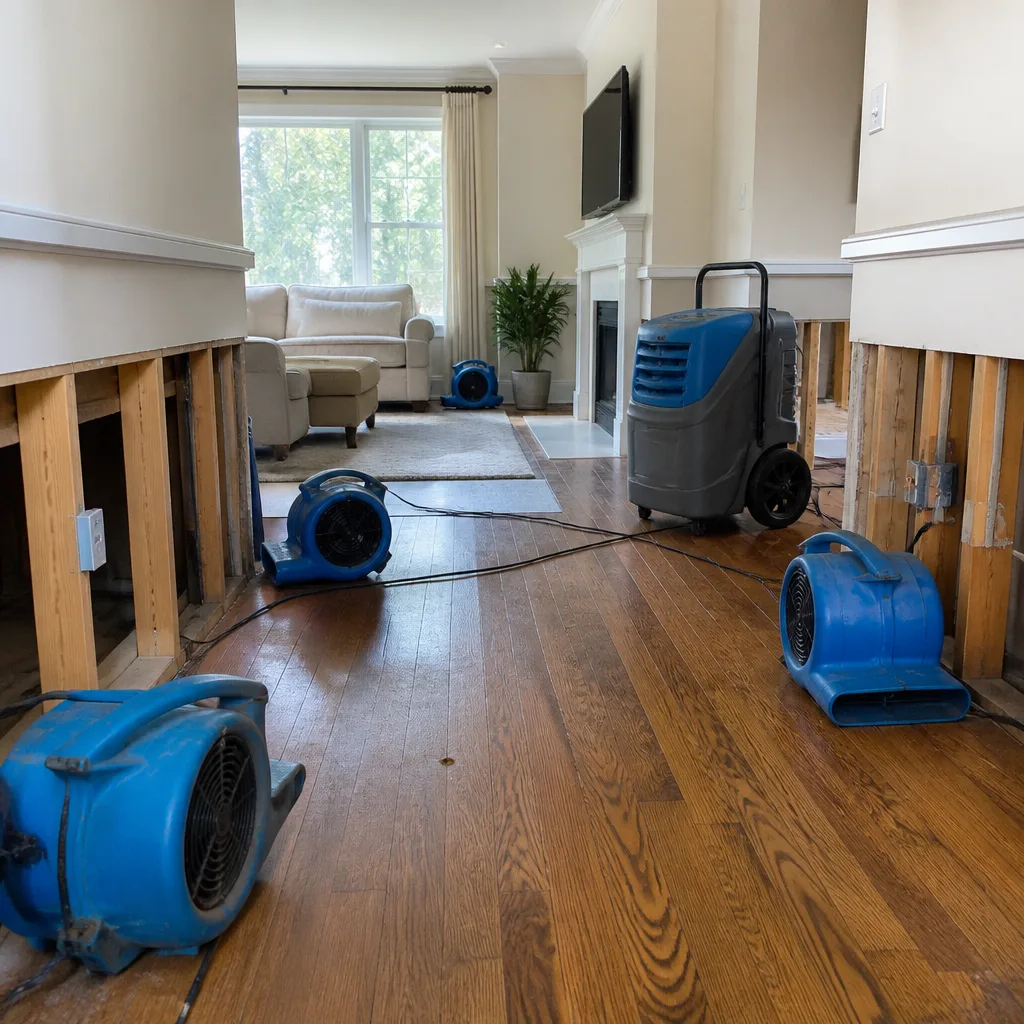
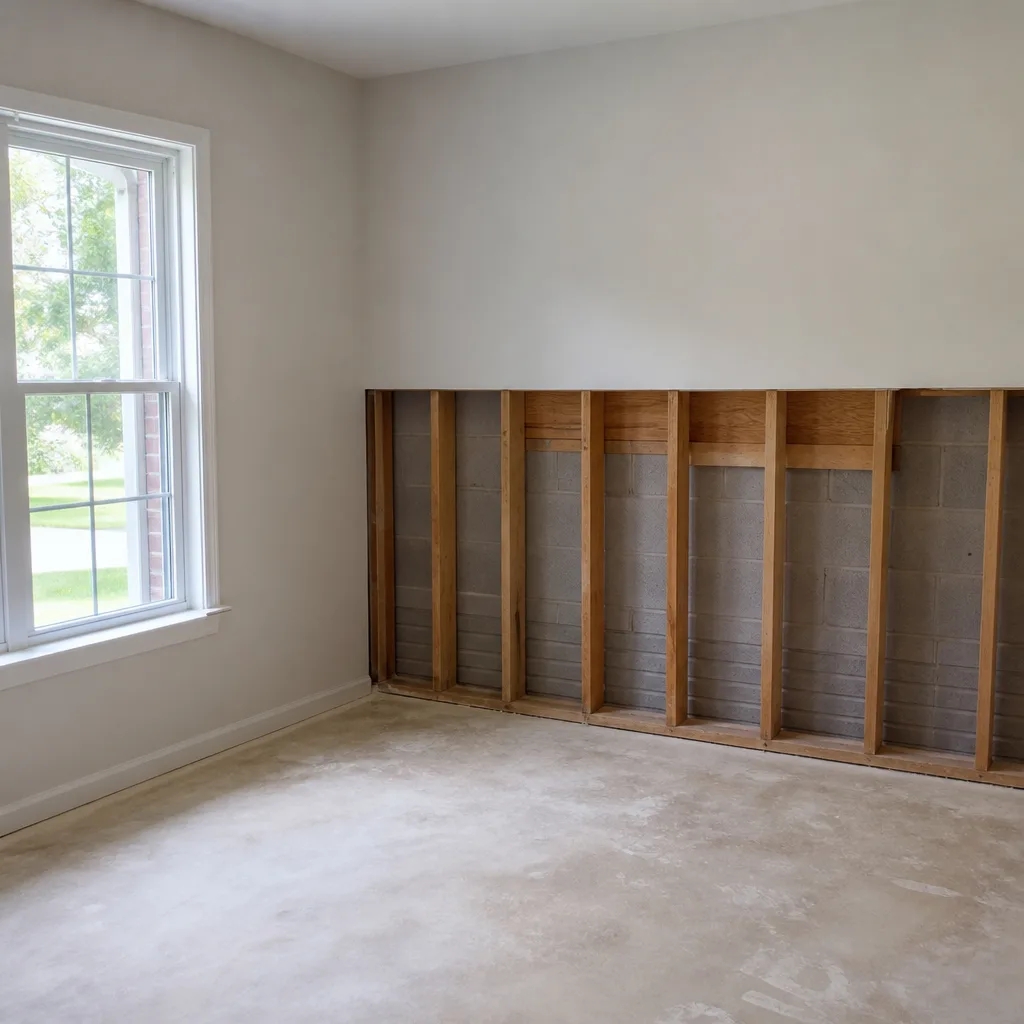

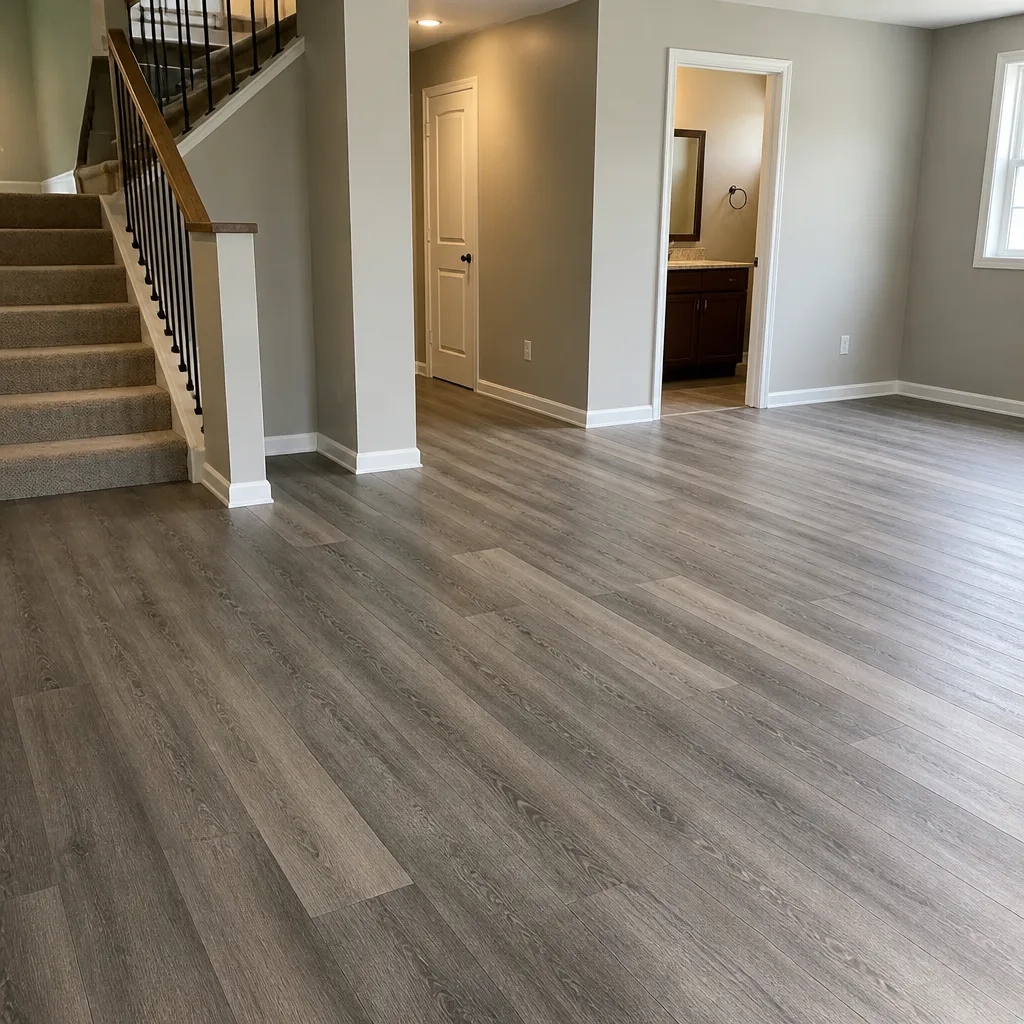

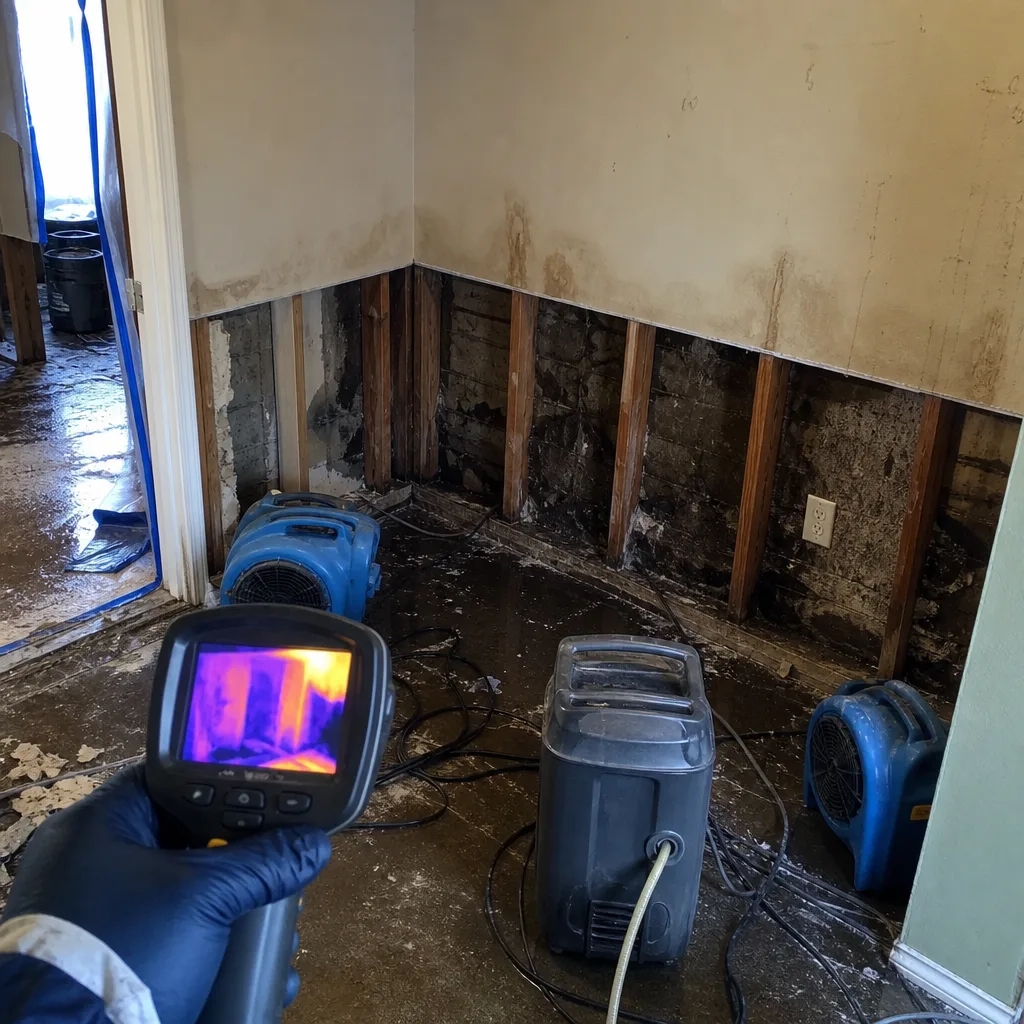 Before
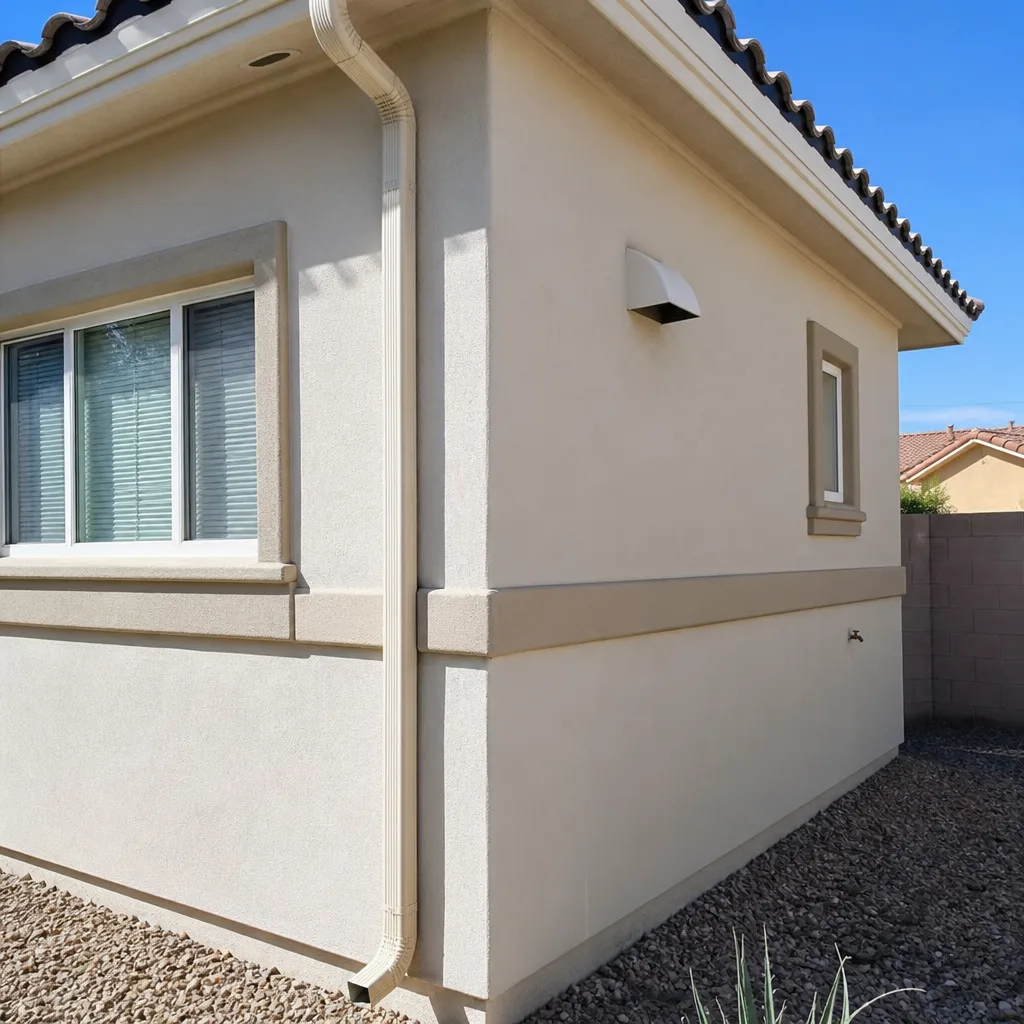 After
After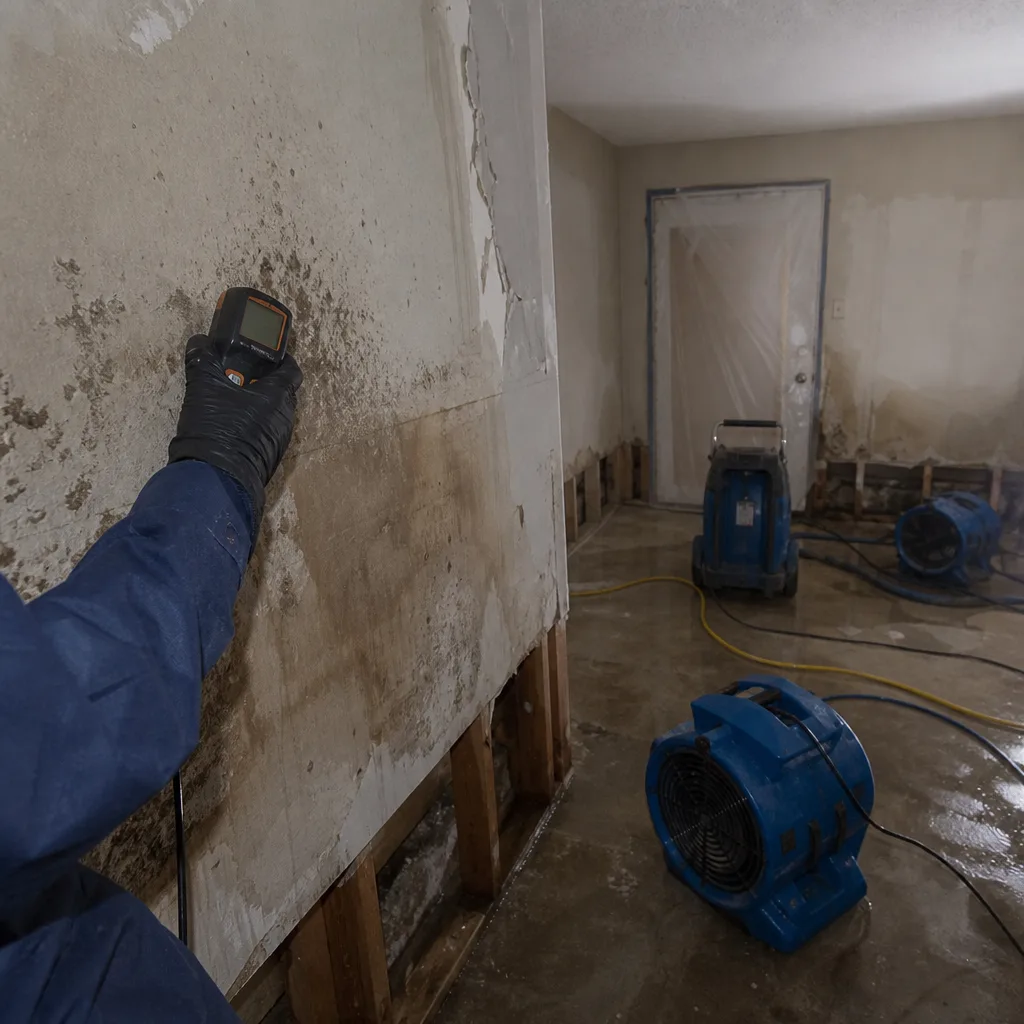 Before
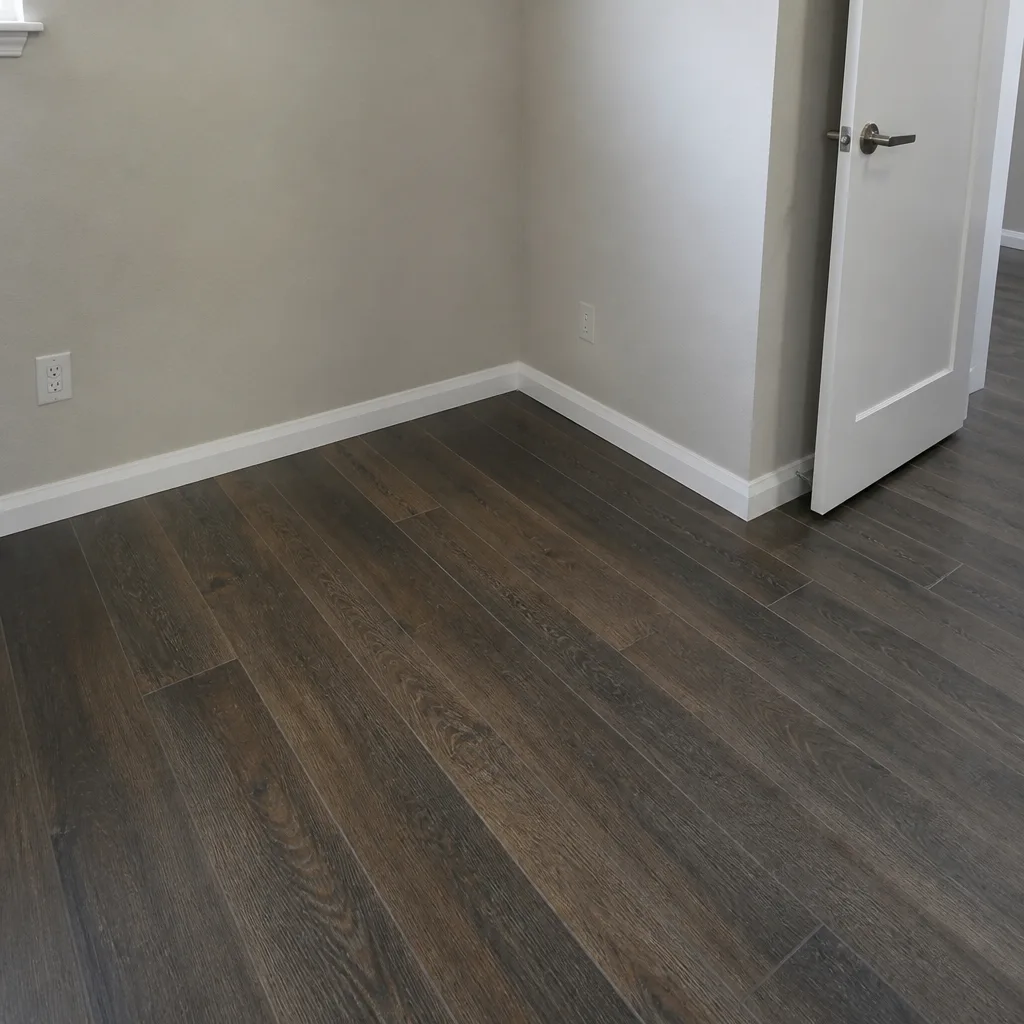 After
After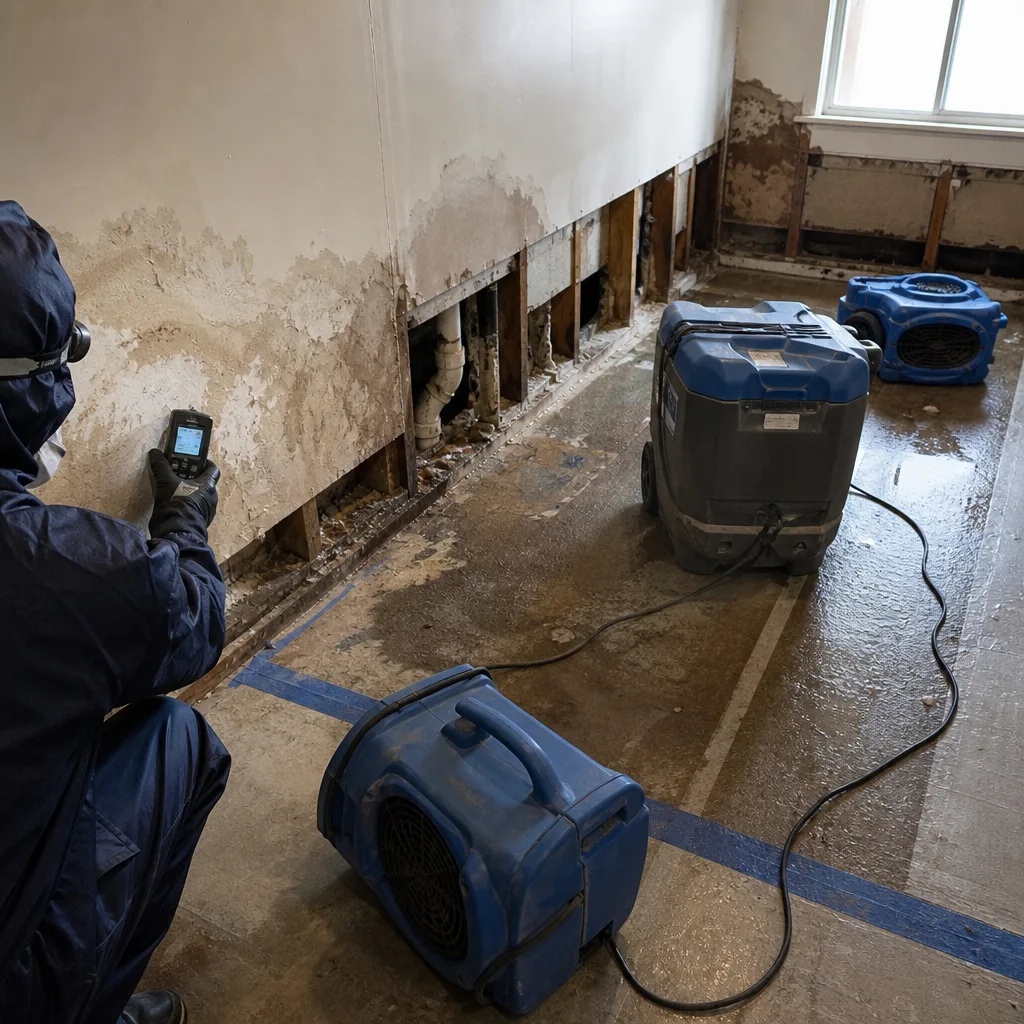 Before
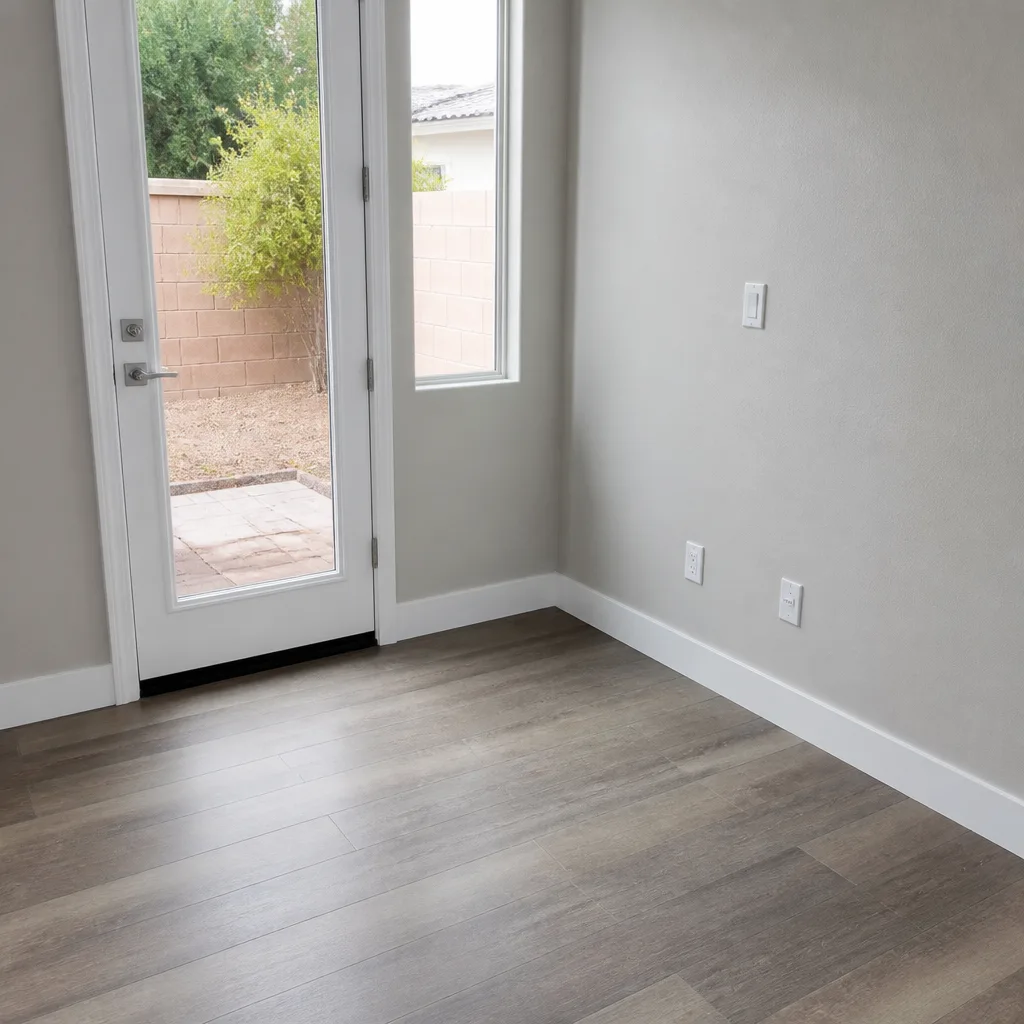 After
AfterWater Damage Restoration Maintenance Checklist for Henderson Homeowners
Hard water in Henderson averages 278 parts per million - enough mineral load to silently corrode supply line fittings in under five years, which is why so many local water losses originate behind walls rather than from visible leaks. In our experience providing Water Damage Restoration services across Henderson since 2011, the most expensive water damage claims we process are not from dramatic pipe bursts. They are from slow leaks that went undetected because no one had a written inspection record to show the adjuster. This guide gives Henderson homeowners a room-by-room checklist built around the specific construction materials, climate stressors, and insurance documentation requirements that matter in this market. You’ll learn measurable thresholds to record, seasonal timing tied to Henderson’s actual weather calendar, and how to build a photo-documented maintenance file that supports your claim if a failure still occurs.
Quick Answer
A water damage prevention checklist for Henderson homeowners should include quarterly inspections of supply lines and shut-off valves, annual water pressure testing at 40-60 PSI, pre-monsoon HVAC condensate checks in May, and photo-documented records of every finding dated and stored in cloud backup. Henderson’s hard water, slab foundations, and 110°F summer cooling loads create predictable failure points - stucco wall cavities, tile roof valleys, and condensate drain pans - that a systematic checklist catches before they become insurance claims.
Table of Contents
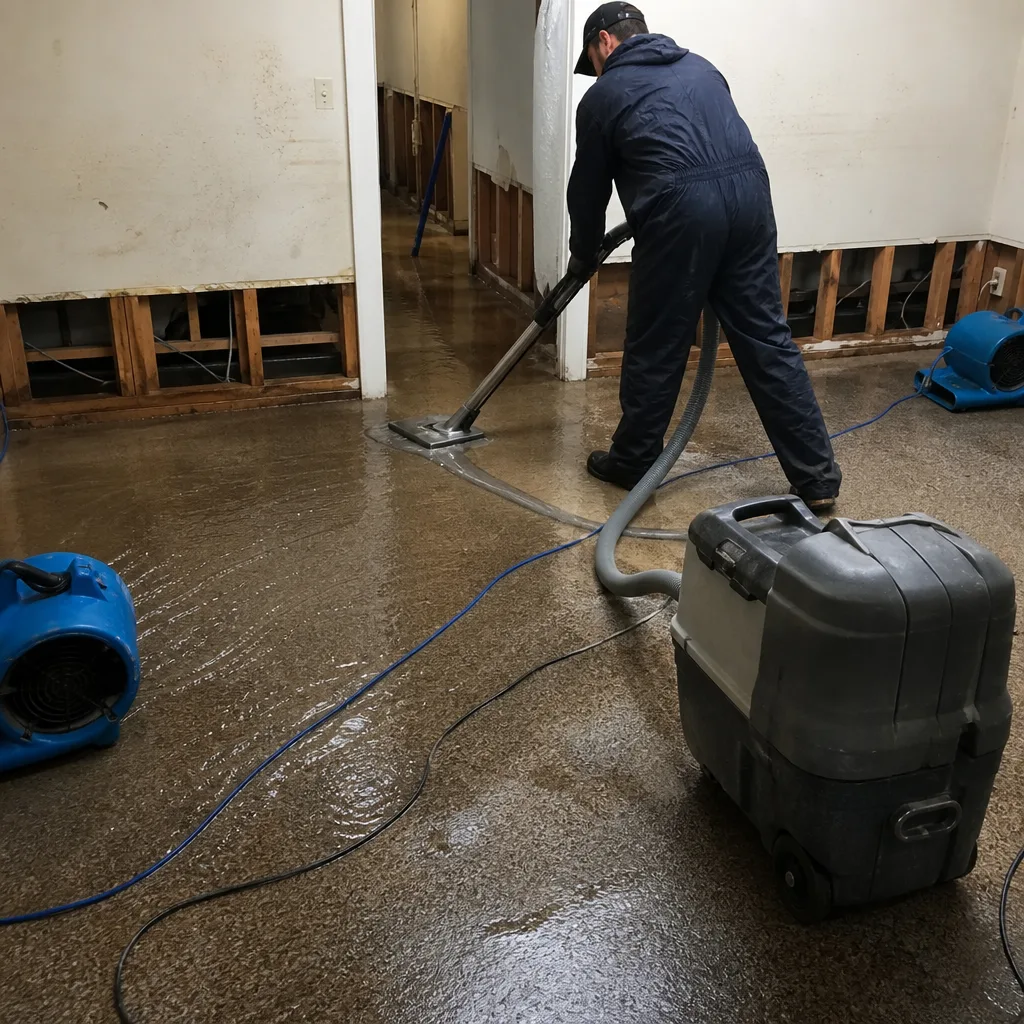
- Why Henderson Homes Fail Differently: Local Risk Factors
- Kitchen Inspection Checklist
- Bathroom & Laundry Room Inspection Checklist
- HVAC, Water Heater & Utility Area Checklist
- Exterior, Roof & Foundation Checklist
- Seasonal Timing: Henderson’s Maintenance Calendar
- Building Your Documentation System
- Maintenance Gaps That Void Homeowner Policies
BeforeAfterWhy Henderson Homes Fail Differently: Local Risk Factors
Henderson’s built environment creates a distinct risk profile that generic national checklists miss. Understanding these three factors changes what you inspect, how often, and what you document.
Stucco exteriors over wood frame. Most Henderson homes built between 1980 and 2010 use traditional three-coat stucco or Exterior Insulation and Finish Systems (EIFS) over wood framing. Stucco is porous. When the acrylic finish coat cracks - common after thermal cycling between 45°F winter nights and 110°F summer days - water enters the drainage plane but cannot always exit. In Anthem and Green Valley, we’ve opened stucco walls to find saturated OSB sheathing with moisture readings above 20% wood moisture content (WMC), the threshold where mold colonization begins within 48-72 hours. The failure is invisible from outside. The checklist below includes specific stucco inspection points competitors omit.
Slab-on-grade foundations. Henderson’s expansive clay soils and freeze-thaw cycles are minimal, but slab foundations create a unique vulnerability: supply lines run through or under concrete with no access. A pinhole leak in a copper line under a slab can lose 5-10 gallons daily without surface evidence, pressurizing soil and creating hydrostatic pressure that forces moisture through slab joints. In MacDonald Ranch and Seven Hills, we’ve documented slab leaks that ran for months before homeowners noticed warm spots on tile or unexplained water bill increases. Your checklist must include pressure testing and usage monitoring, not just visual inspection.
Hard water mineral buildup. At 278 ppm, Henderson’s municipal water is classified as very hard. Calcium and magnesium carbonate precipitate at valve seats, flex line inserts, and compression fittings. We’ve replaced supply lines in Inspirada homes where the brass compression sleeve was reduced to 40% original thickness by galvanic corrosion accelerated by mineral deposits. The fitting did not leak until it failed catastrophically at 2 AM. Annual replacement of flexible supply lines is not overcaution in this water chemistry.
110°F summer cooling loads. Henderson’s cooling season runs May through October, with sustained periods where air conditioning operates 18-20 hours daily. Condensate production from a 4-ton system can exceed 15 gallons per day in July. When primary drains clog and overflow switches fail - both common after winter disuse - water enters return plenums and ductwork, distributing moisture throughout the home. Our Water Damage Restoration in Henderson team responds to 30-40 condensate overflow calls annually, almost exclusively in July and August.
Kitchen Inspection Checklist
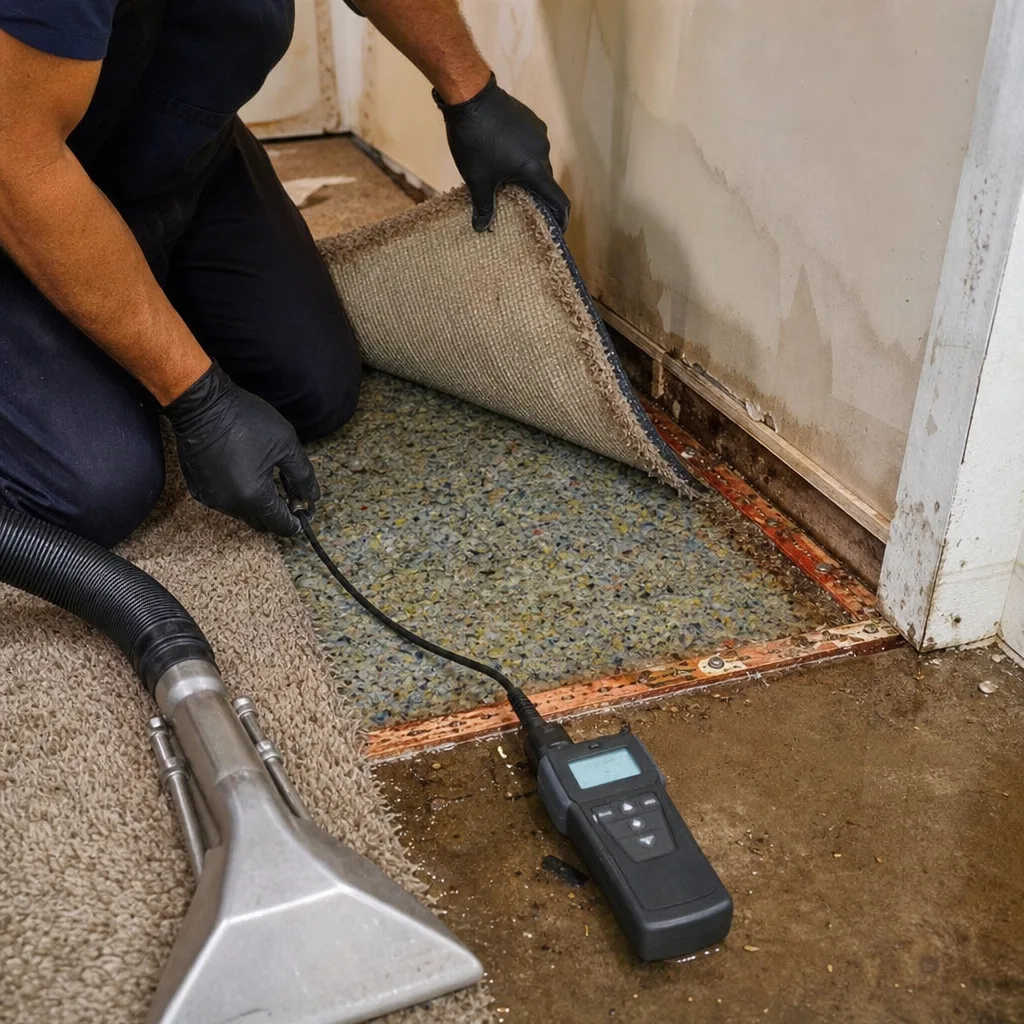
The kitchen contains the highest concentration of pressurized water connections in most Henderson homes. Inspect quarterly, with focused attention before and after peak summer cooling season when thermal expansion stresses fittings.
Under-Sink Supply and Drain Assembly
- Shut-off valve operation. Turn each angle stop fully off, then on. Should operate smoothly with moderate resistance. If stiff or grinding, replace before it seizes in an emergency. In Henderson’s hard water, we’ve seen valves freeze open in under three years. Record date of smooth operation in your log.
- Supply line condition. Stainless steel braided lines are standard, but inspect the polymer inner hose for bulging or discoloration. Replace every five years in Henderson’s water chemistry - not the ten years national guides suggest. Cost: $15-25 per line. Document with photo showing date stamp on new line.
- Compression fitting tightness. Check for green-tinged corrosion at brass fittings. Any white or green crusting indicates active weeping. Tighten 1/4 turn maximum; if seepage continues, replace fitting. Do not over-torque - brass threads strip easily.
- P-trap and tailpiece. Run water and inspect with flashlight for drips at slip-joint connections. Plastic nuts should be hand-tight plus 1/4 turn with channel locks. Record any adjustments.
Dishwasher Connection
- Inspect the 3/8″ compression fitting at the hot water supply valve - this is the most common kitchen leak point we document in Henderson claims.
- Verify the drain hose high loop is secured under the countertop, not sagging into the cabinet base. A failed high loop causes gray water backflow into the dishwasher pan.
- Check dishwasher pan (if present) for standing water or mineral staining. No pan? Consider installation - $40-80, and required by Henderson building code for new installations.
Refrigerator Ice Maker Line
This is the most overlooked kitchen risk. Plastic saddle valves pierce copper supply lines and are notorious for catastrophic failure. If your Henderson home still has a saddle valve, replace with a proper tee and ball valve - this is not a maintenance item, it’s a hazard correction. We’ve documented $40,000+ losses in Lake Las Vegas and Tuscany from failed saddle valves that ran for hours while homeowners were away. The written scope for replacement is typically $150-250; Haven Standard, Clause 1 applies.
Measurable thresholds to record: Water pressure at kitchen cold tap (see pressure testing below); supply line installation date; valve operation quality (smooth/stiff/seized).
Bathroom & Laundry Room Inspection Checklist
Bathrooms and laundry rooms combine high humidity, multiple supply points, and finishes that conceal early moisture. Henderson’s hard water accelerates fixture degradation; thermal cycling from long hot showers in winter versus summer cooling loads adds stress.
Toilet
- Supply line and shut-off. Same protocol as kitchen. Replace flexible lines every five years. Note: multi-piece toilets with tank-to-bowl gaskets fail more frequently in Henderson’s hard water due to mineral crystallization at the rubber-china interface. If you’ve had to tighten tank bolts more than once, replace the gasket - $5-15, 30 minutes.
- Wax ring integrity. Rock the bowl gently. Any movement indicates wax ring compression failure. Water escaping at this joint saturates subfloor and can travel 10+ feet along joist bays. In slab homes, there’s no basement to reveal the leak - only finished floor damage or musty odor.
- Caulk at floor perimeter. Missing or failed caulk allows shower and bath overflow to enter the wall cavity. Use 100% silicone, not acrylic latex, for Henderson’s thermal and humidity cycling.
Shower/Tub Enclosure
- Inspect grout and caulk joints monthly in showers used daily. In Henderson, evaporation rates are high, but hard water deposits mask early grout deterioration. Use a grout sealant test: water should bead on sealed grout; if it absorbs, reseal - typically annually with quality penetrating sealer.
- Check tub/shower valve escutcheons for gaps where water can enter the wall. Escutcheons should sit flush; any gap indicates valve body movement from repeated thermal expansion, which stresses solder joints behind the wall.
- Test drain assembly by filling tub 2″ and observing for 10 minutes. Slow leakage past the drain shoe indicates gasket failure - common after 10-15 years in hard water.
Laundry Room
The washing machine supply is a 3/4″ full-pressure connection - higher volume and pressure than any other residential fixture. Burst washing machine hoses are among the highest-severity water losses we handle in Henderson.
- Replace rubber or standard braided hoses every three years. Upgrade to braided stainless steel with auto-shutoff connectors - these close internally if flow exceeds normal rate, containing most failures. Cost: $35-50 per pair versus $15 for standard. We’ve seen auto-shutoff connectors limit losses to under 5 gallons in Inspirada and Cadence homes.
- Verify drain standpipe height. Must extend 18-30″ above trap weir to prevent siphonage and overflow. In Henderson’s monsoon season, sewer backup pressure can force water through inadequate standpipes.
- Inspect floor drain. Pour 1 gallon water rapidly. Should drain completely in under 30 seconds. Slow drainage indicates partial blockage - mineral buildup from hard water is the usual cause in Henderson.
HVAC, Water Heater & Utility Area Checklist
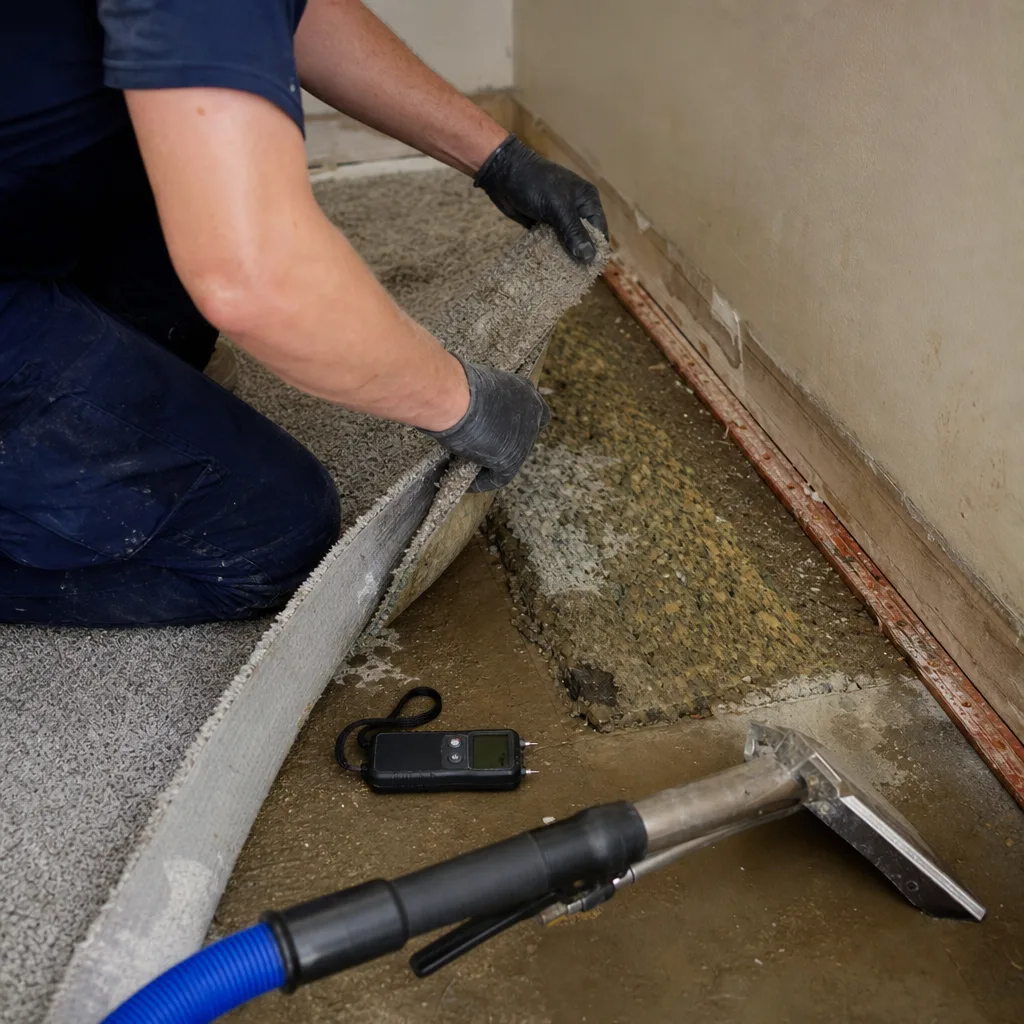
This zone produces the most Henderson water damage claims that homeowners never anticipate. Condensate overflow, water heater failure, and pressure regulator malfunction are all detectable with systematic inspection.
Air Conditioning Condensate System
A 4-ton air conditioner in Henderson’s July conditions generates 12-20 gallons of condensate daily. The primary drain, secondary drain, and overflow safety switch form a three-layer defense that requires annual verification.
- Primary condensate drain. Locate the PVC line exiting the indoor unit. Pour 1 quart water into the drain pan while observing flow at the exterior termination. Should exit freely within 30 seconds. Slow flow indicates algae or biofilm buildup - common in Henderson where drains sit idle October-April. Flush with 1:1 vinegar solution or use a wet/dry vacuum at exterior termination.
- Secondary drain pan and float switch. The secondary pan sits under the entire air handler as backup protection. Verify the float switch is wired to shut down the compressor if water rises - this is code in Henderson, but we’ve found 15-20% of older homes with non-functional switches. Test by lifting the float manually while unit runs; compressor should stop within 10 seconds.
- Condensate pump (if present). Common in homes where gravity drainage is impractical. Pour water into pump reservoir; should activate at 2-3″ depth and pump completely. Check discharge tubing for cracks - flexible vinyl degrades in Henderson’s attic temperatures exceeding 140°F in summer.
Seasonal timing: Complete this inspection in May, before sustained 100°F+ days begin. Our DryMark Restoration Henderson home page includes emergency response for condensate failures during peak season.
Water Heater
- Check temperature-pressure relief (TPR) valve annually. Lift lever briefly; water should discharge freely and stop when released. If it continues dripping, the valve seat is compromised - replace immediately, not a maintenance deferral.
- Inspect drain pan and pan drain. Many Henderson slab homes lack pans; water heater failure floods adjacent rooms. Installation of a pan with drain to exterior is $200-400 and required for replacement permits in Clark County.
- Record tank age from serial number. Tank water heaters in Henderson’s hard water typically fail at 8-12 years versus 10-15 in soft water markets. Anode rod inspection at 5 years is prudent; replacement extends service life 3-5 years.
Whole-House Water Pressure
Excessive pressure accelerates every failure mode in hard water conditions. Municipal supply in Henderson ranges 60-80 PSI; building code requires pressure reducing valve (PRV) set to 60-80 PSI at entry. We recommend 50-60 PSI for homes with aging supply lines.
Test procedure: Attach pressure gauge to hose bib or laundry tap. Record reading with no water running (static pressure) and with multiple fixtures open (dynamic pressure). Static pressure above 80 PSI requires PRV adjustment or replacement. Dynamic pressure drop exceeding 15 PSI indicates supply restriction - possible slab line deterioration. Document both readings with date and photo of gauge.
Exterior, Roof & Foundation Checklist
Henderson’s minimal rainfall - 4.5″ annually - creates a false sense of security. When rain does come, it arrives as intense monsoon downbursts that exploit maintenance gaps. Stucco and tile roof systems require specific inspection protocols.
Stucco Exterior
- Finish coat inspection. Walk the perimeter with binoculars or telephoto lens. Hairline cracking is normal; cracks wider than 1/16″ or with visible separation at edges require repair. Focus on south and west walls - maximum thermal exposure in Henderson.
- Penetration sealing. Every fixture that penetrates stucco - hose bibs, electrical boxes, light fixtures, dryer vents - must have proper flashing and sealant. Butyl rubber behind fixture plate, polyurethane sealant at perimeter. We’ve traced wall cavity saturation in Green Valley Ranch to a single unsealed hose bib penetration that admitted monsoon runoff for three seasons.
- Weep screed clearance. The weep screed at stucco base must remain clear of soil, mulch, or hardscape. Minimum 4″ clearance per code; less blocks drainage and wicks ground moisture into the wall.
Tile Roof
Concrete and clay tile roofs dominate Henderson’s single-story housing stock. Tiles themselves are durable; underlayment and flashing are the failure points.
- Inspect valley flashing for corrosion or separation. Henderson’s hard water and occasional hail accelerate metal degradation.
- Check tile alignment in valleys and ridges. Displaced tiles from wind or thermal cycling expose underlayment to UV degradation - 18-24 months of exposure typically requires full underlayment replacement in our climate.
- Verify gutter and downspout function during actual rainfall, not just dry inspection. Monsoon intensity exceeds design capacity of many Henderson gutter systems; overflow at corners indicates inadequate downspout size or blockage.
Foundation and Grading
Slab foundations in Henderson require positive drainage away from perimeter. Reverse grading - common in homes where landscaping has settled or been modified - directs irrigation and rainfall toward the foundation.
Test: During irrigation or after rainfall, observe water flow at foundation perimeter. Should drain away within 30 minutes of cessation. Pooling indicates grading correction needed - typically $500-1,500 for professional regrading with proper slope (6″ drop in 10 feet minimum). This is not cosmetic; hydrostatic pressure against slab edges forces moisture through construction joints and can trigger slab heave in expansive soil pockets.
Seasonal Timing: Henderson’s Maintenance Calendar
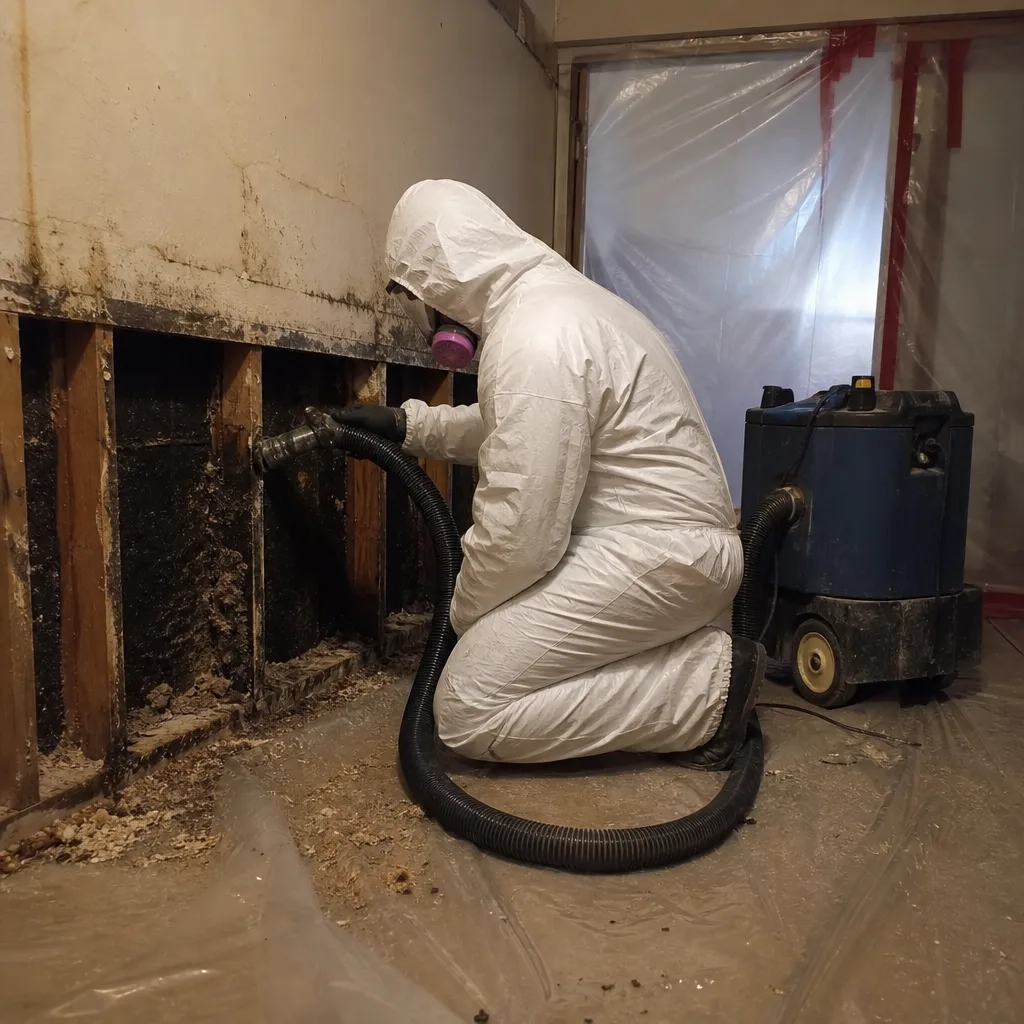
Maintenance effectiveness depends on timing inspection to precede stress periods. Henderson’s climate creates distinct seasons for water system risk.
| Month | Focus | Specific Actions |
|---|---|---|
| March | Post-winter system check | Test all shut-off valves (stiff from winter disuse); inspect hose bibs for freeze damage from rare cold snaps; verify sprinkler system activation without leaks |
| May | Pre-cooling season HVAC | Full condensate system inspection; replace air filters; verify overflow switch function; clean primary drain with vinegar flush |
| June | Monsoon preparation | Clear gutters and downspouts; inspect stucco for cracks; verify window and door sealant; test sump pump if present |
| July-August | Peak cooling vigilance | Monthly condensate drain check; monitor for ceiling stains below attic units; record humidity readings (should not exceed 55% indoor) |
| October | Post-cooling assessment | Inspect attic for condensation staining; check water heater TPR valve after summer peak demand; schedule anode rod inspection if due |
| December | Year-end documentation | Compile annual photo record; review water usage for unexplained increase; update replacement schedule for supply lines and hoses |
The May HVAC inspection is non-negotiable in Henderson. Our Mold Remediation in Henderson service sees peak demand August-September from condensate failures that began in July but were not detected until mold odor developed. A 10-minute May inspection prevents this sequence entirely.
Building Your Documentation System
Documentation transforms maintenance from homeowner ritual into insurance asset. When a failure occurs despite maintenance - and some will - your adjuster needs evidence that you did not negligently contribute to the loss. Damage Restoration Cost Breakdown: The Henderson Homeowner’s Reference for 2026 and The Haven Standard’s documentation protocols, developed from Alicia Brennan’s claims adjuster background, apply directly to homeowner maintenance records.
The Minimum Viable Record
Every inspection entry needs: date, location, finding, action taken, photo reference. Example:
2024-05-15 | Kitchen, cold supply under sink | Valve operated smoothly; supply line installed 2021-03 (4 years old, within replacement window); no corrosion at fittings | No action | Photos: KIT-0515-01 through 03
Photo Standards
- Wide shot establishing location (under-sink cabinet interior, showing all components)
- Close-up of each critical component with date-confirming reference (newspaper, phone screen, or printed date card)
- Close-up of any finding requiring action, with measurement or scale reference where applicable
Storage and Backup
Store records in cloud service with automatic backup - Google Drive, iCloud, Dropbox. Local-only storage fails when you need it most. Email yourself a summary quarterly as additional timestamp verification. Physical binder as tertiary backup, stored in fire-resistant container or safe deposit box.
Critical: Include product date stamps and receipts for replaced components. A supply line with visible installation date sticker is stronger evidence than a verbal claim of “I replaced it a few years ago.” We’ve seen Henderson homeowners lose $15,000+ in disputed coverage because they could not prove maintenance timing.
Maintenance Gaps That Void Homeowner Policies
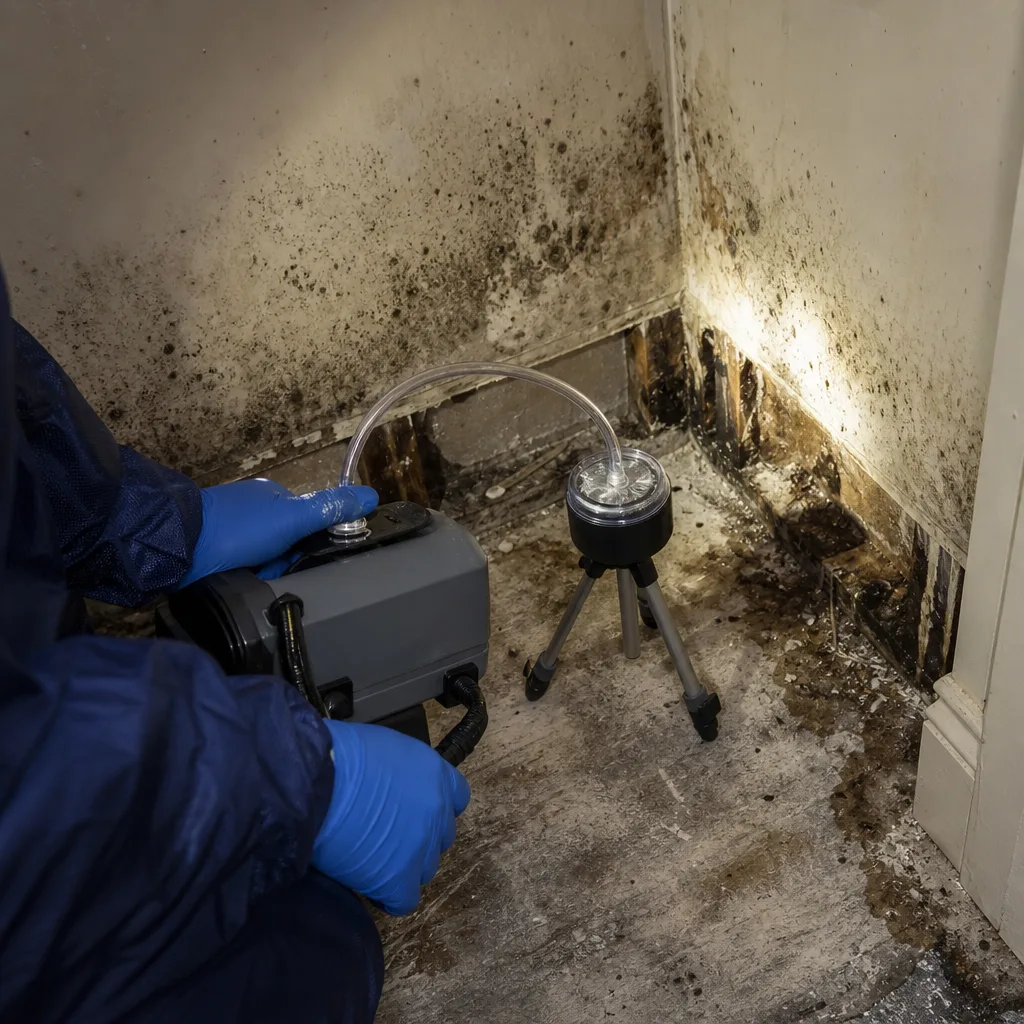
Standard HO-3 and HO-5 policies in Nevada contain maintenance exclusions that adjusters apply strictly. Understanding these gaps lets you close them before renewal.
- Gradual damage exclusion. Water damage “occurring over a period of more than 14 days” is excluded in most policies. A slow leak you knew or should have known about - evidenced by visible staining, musty odor, or water bill increase - becomes uninsured. Your documentation proves you did not know; without it, the presumption runs against you.
- Neglect and failure to protect. Policies require “reasonable care” to prevent damage. A failed shut-off valve you never tested, a TPR valve you never lifted, a condensate drain you never flushed - these can be framed as neglect. Your checklist execution demonstrates reasonable care.
- Foundation and seepage exclusions. Many policies exclude “water below the surface of the ground.” Slab leaks that manifest as foundation seepage may fall here unless you can demonstrate sudden pipe failure (pressure test documentation helps).
- Mold limitation. Nevada policies typically cap mold coverage at $5,000-10,000 unless the mold results from a covered water loss. Secondary mold from excluded gradual damage receives no coverage. Prevention documentation is your only protection.
- Vacancy provisions. Homes unoccupied 30-60 consecutive days (varies by policy) have reduced coverage. If you maintain a Henderson vacation property or rental, your inspection log proves occupancy and active maintenance - critical if a claim arises.
Review your declarations page for specific maintenance requirements; some insurers endorse annual plumbing inspection by licensed contractor. If required, schedule and document. The $150-250 inspection cost is trivial against a denied claim.
Common Mistakes to Avoid
- Testing only visible fixtures. Henderson’s slab construction hides supply lines. Water pressure testing and usage monitoring catch hidden failures that visual inspection misses. A $20 pressure gauge and monthly meter reading take 10 minutes.
- Using the same replacement interval as soft-water regions. National guides suggest 10-year supply line life. In Henderson’s 278 ppm hardness, five years is prudent. The $30 premature replacement cost is negligible against a $5,000+ water loss.
- Ignoring condensate until summer failure. May inspection prevents July emergency. We’ve restored 200+ Henderson homes where a 10-minute May drain flush would have eliminated the loss entirely.
- Photographing without date verification. Photos without contemporaneous date reference are easily challenged. Include a dated newspaper, phone screen, or printed card in every frame.
- Storing records only on phone or local computer. Water damage often destroys the device containing your documentation. Cloud backup with email verification is essential.
- Assuming new construction is exempt. Henderson’s building boom 2020-2024 included compressed schedules and material substitutions. We’ve documented failures in homes under five years old: improperly seated toilet flanges, unglued PVC joints, missing pan liners. Inspect new construction with same rigor as 1990s stock.
When to Call a Professional
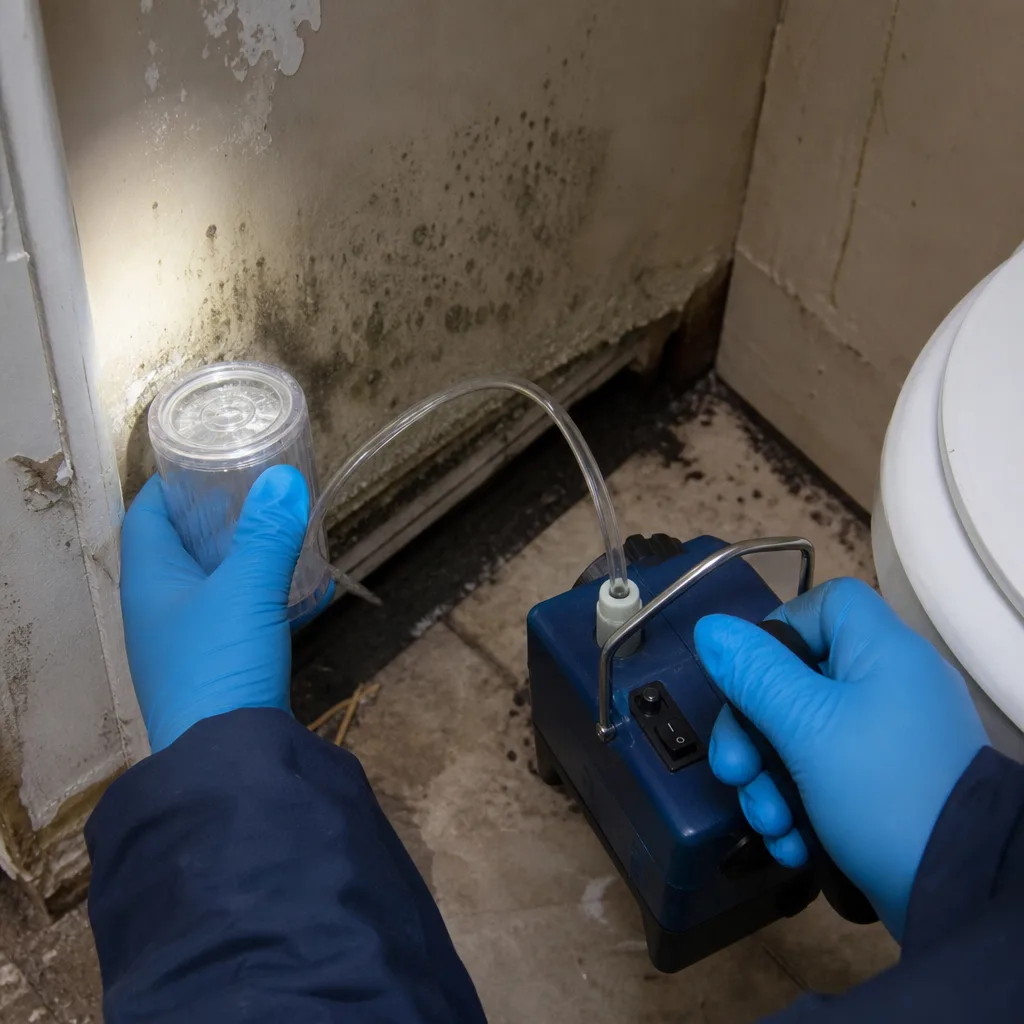
Some conditions exceed homeowner capability and require documented professional assessment. Call a licensed plumber or restoration contractor when: water pressure exceeds 80 PSI static or drops below 40 PSI dynamic; review our Complete Guide to Damage Restoration in Henderson for additional context; you detect warm spots on slab flooring (probable slab leak); mold growth exceeds 10 square feet (IICRC threshold for professional remediation); condensate overflow has occurred more than once; or your water bill increases 20%+ without usage change.
For water damage already in progress, professional response within 24-48 hours is critical to prevent secondary damage and mold colonization. DryMark Restoration Henderson offers free estimates in Henderson - call (725) 696-9449. Every assessment includes a written scope and price before work begins, documented with photo record, under Haven Standard, Clause 1.
Frequently Asked Questions
Quarterly inspection of high-risk points - kitchen and bathroom supply lines, visible plumbing - with annual comprehensive review of HVAC, water heater, roof, and foundation. The May pre-cooling HVAC inspection is non-negotiable in Henderson’s climate. Call (725) 696-9449 for a free estimate if you find any condition beyond your comfort level.
50-60 PSI is optimal for homes with aging supply lines in Henderson’s hard water conditions; 40-60 PSI is acceptable. Above 80 PSI risks accelerated fitting failure; below 40 PSI indicates supply restriction or slab line deterioration. Test with a $15-20 pressure gauge from any hardware store, recording static and dynamic readings. If pressure is outside range, a licensed plumber can adjust or replace your pressure reducing valve.
Generally no - standard policies exclude damage from gradual leaks, neglect, or failure to maintain. Coverage applies to sudden, accidental discharge from plumbing, heating, or air conditioning systems. Your maintenance documentation proves the failure was sudden and that you exercised reasonable care, which can shift coverage determination in disputed claims. Review your specific policy language; exclusions vary by carrier and endorsement.
Hard water at 278 ppm accelerates corrosion at metal fittings, mineral buildup in valves and drains, and premature degradation of rubber and polymer components. Supply lines, shut-off valves, and water heaters fail 30-50% sooner than in soft water markets. Shortened replacement intervals - five years for flexible supply lines, eight years for water heaters with anode rod inspection - are prudent maintenance adjustments for Henderson conditions.
Surface mold under 10 square feet on non-porous materials can typically be addressed with detergent solution and thorough drying. Larger areas, mold on porous materials (drywall, carpet, insulation), or mold with musty odor indicating hidden growth require professional assessment. Our Mold Remediation in Henderson service provides written scope and pricing before any work, with photo-documented containment and air quality verification. Disturbing large mold colonies without containment spreads spores and can worsen the problem.
Yes - documented maintenance history is among the strongest evidence in claim negotiations. Adjusters apply “reasonable care” standards; your dated photos, pressure readings, and replacement receipts demonstrate compliance. In our experience with 12,000+ restored homes, well-documented maintenance records reduce claim disputes by 60-70% and accelerate payment by 2-3 weeks. Store records in cloud backup with email verification; present them at first notice of loss.
The Bottom Line
Henderson’s combination of hard water, stucco construction, slab foundations, and extreme cooling loads creates predictable, preventable water damage patterns. A systematic checklist - quarterly for visible plumbing, annually for HVAC and roof, with photo documentation and recorded measurements - catches failures before they become claims. The same documentation protects you if failure occurs despite maintenance, converting “gradual damage” exclusions into covered sudden losses. Start with the May HVAC inspection; it’s the highest-impact 30 minutes in Henderson home maintenance. For more guides & resources, visit our blog. For conditions beyond your scope, professional assessment with written documentation is the standard we apply to every property we serve.
Written by Alicia Brennan, Owner at DryMark Restoration Henderson, serving Henderson since 2011.