
Last updated September 23, 2026
Free visual inspection and a written scope of work before any mitigation begins - photos, moisture readings, and drying logs go in your claim file
The scope we write is the scope we bill. Anything new gets shown to you, in writing, before we touch it.
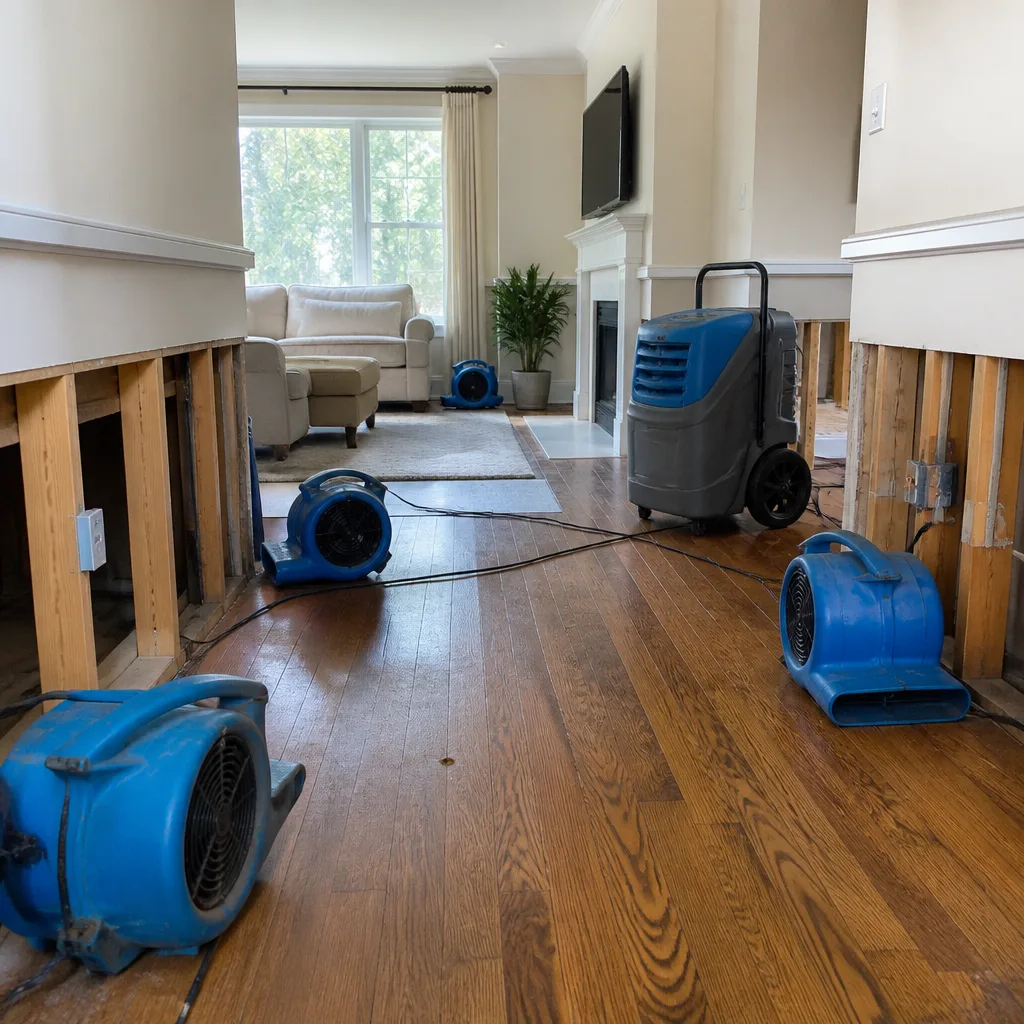
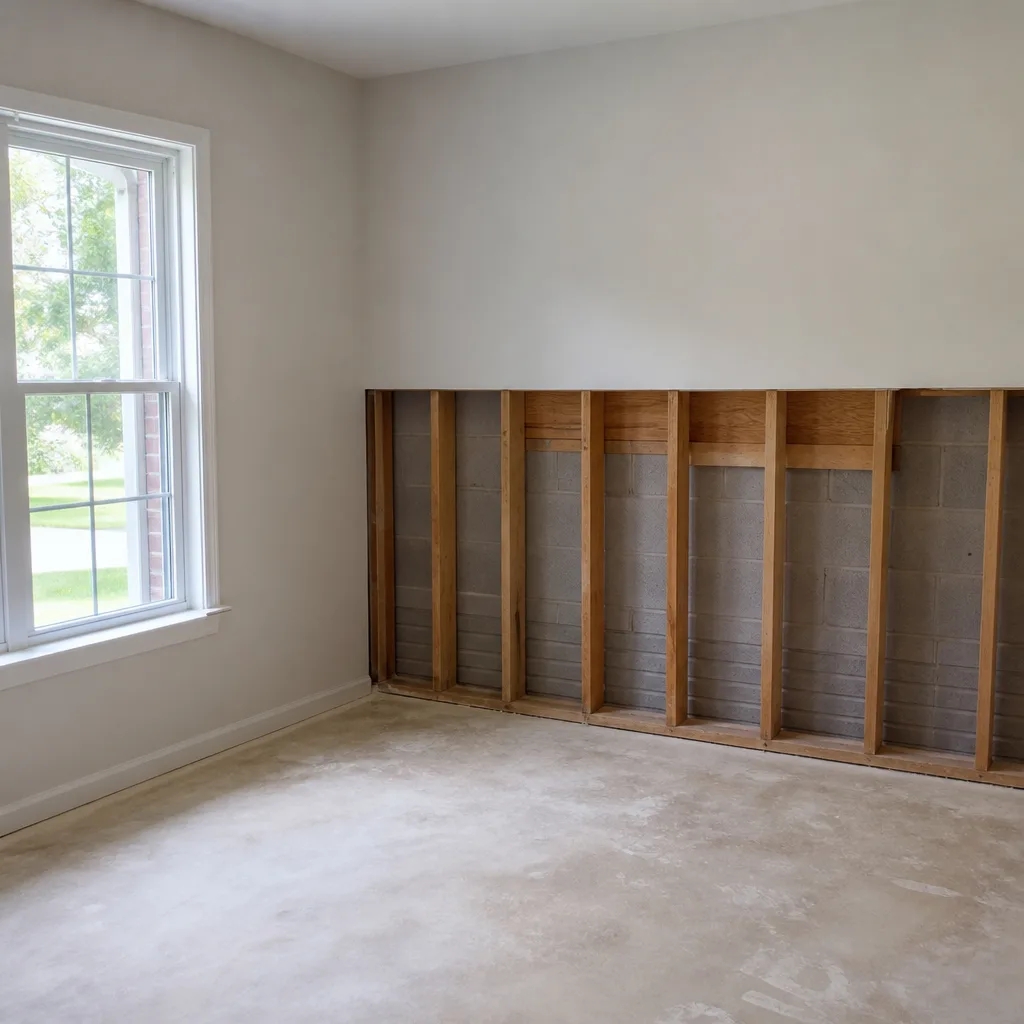
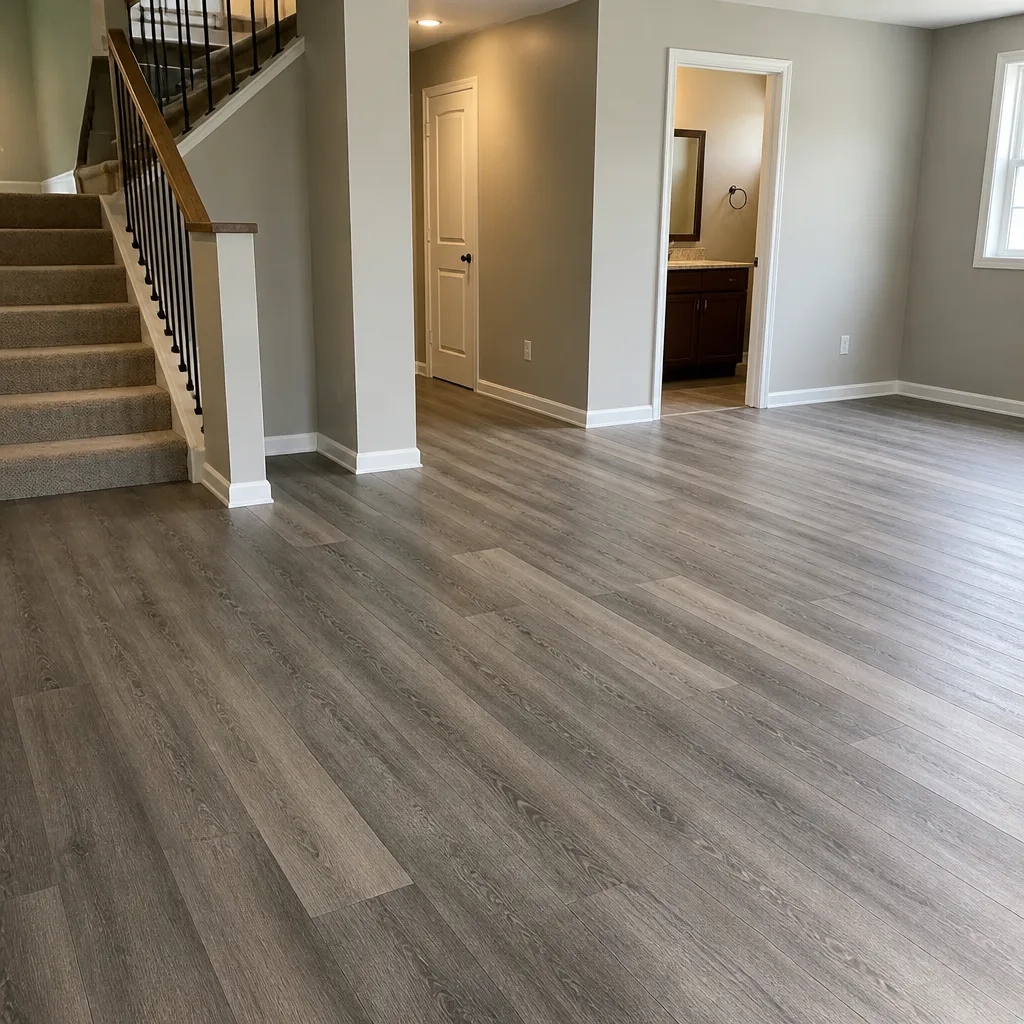
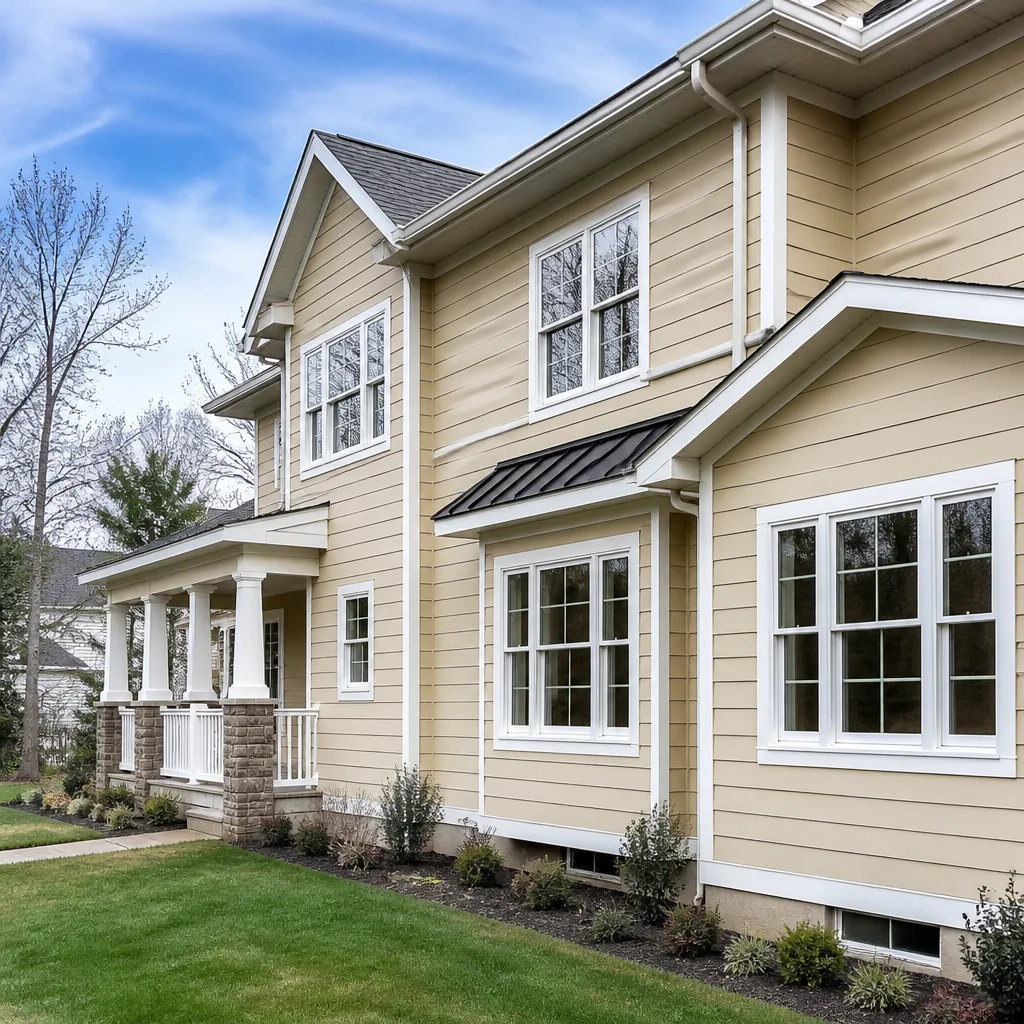
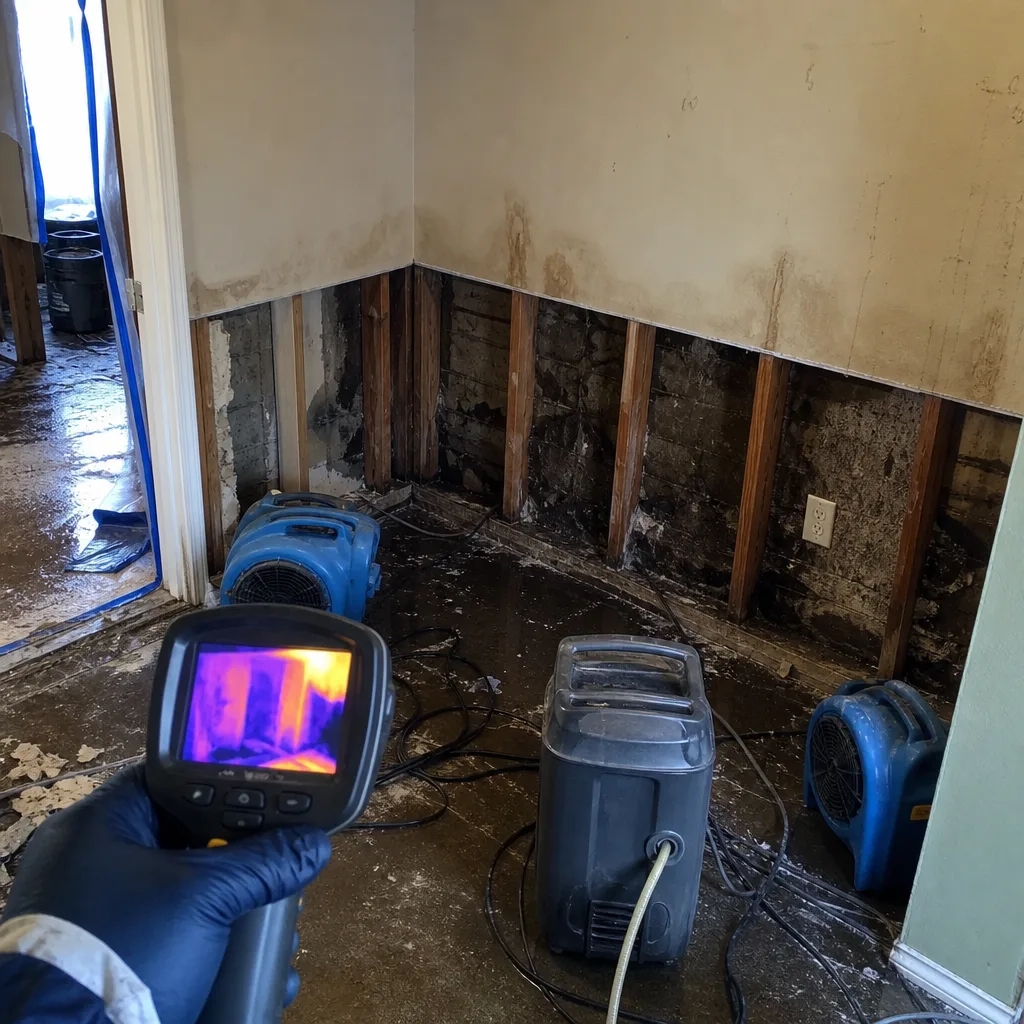 Before
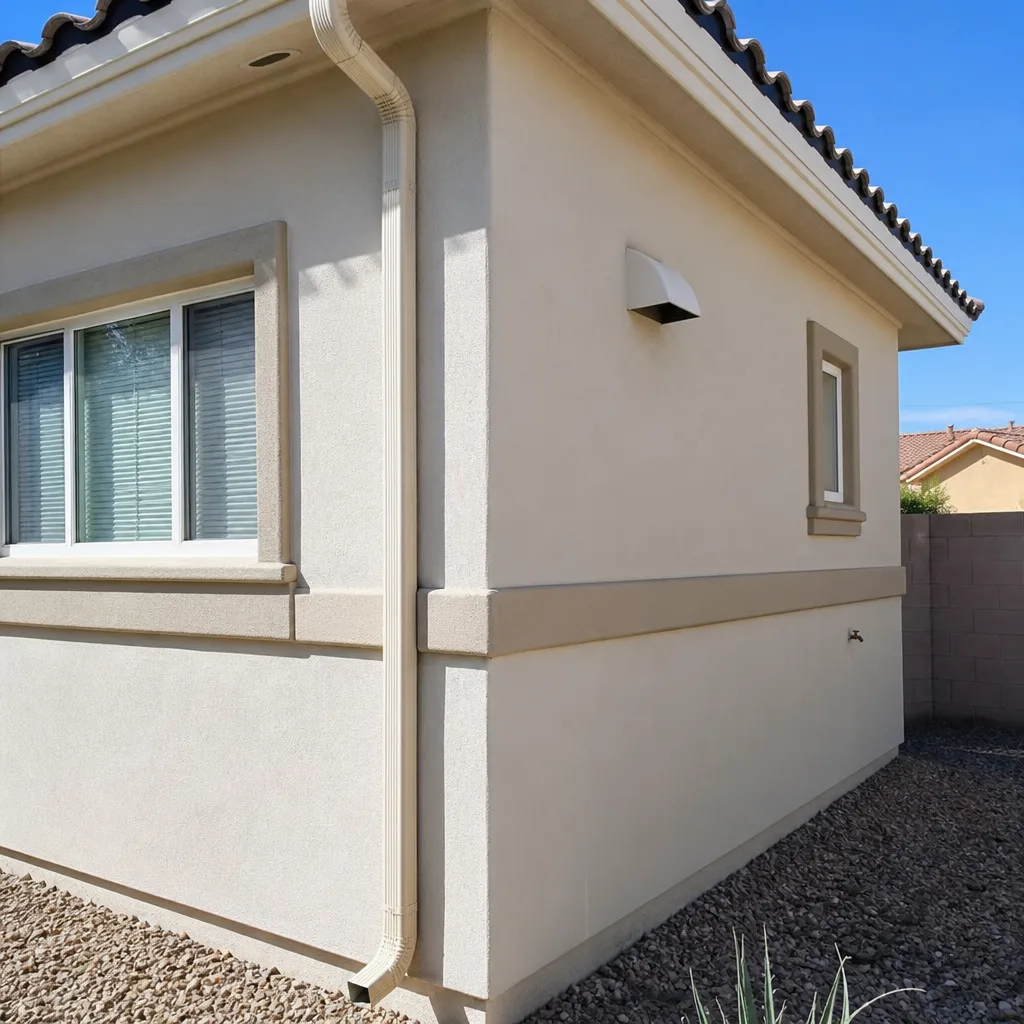 After
After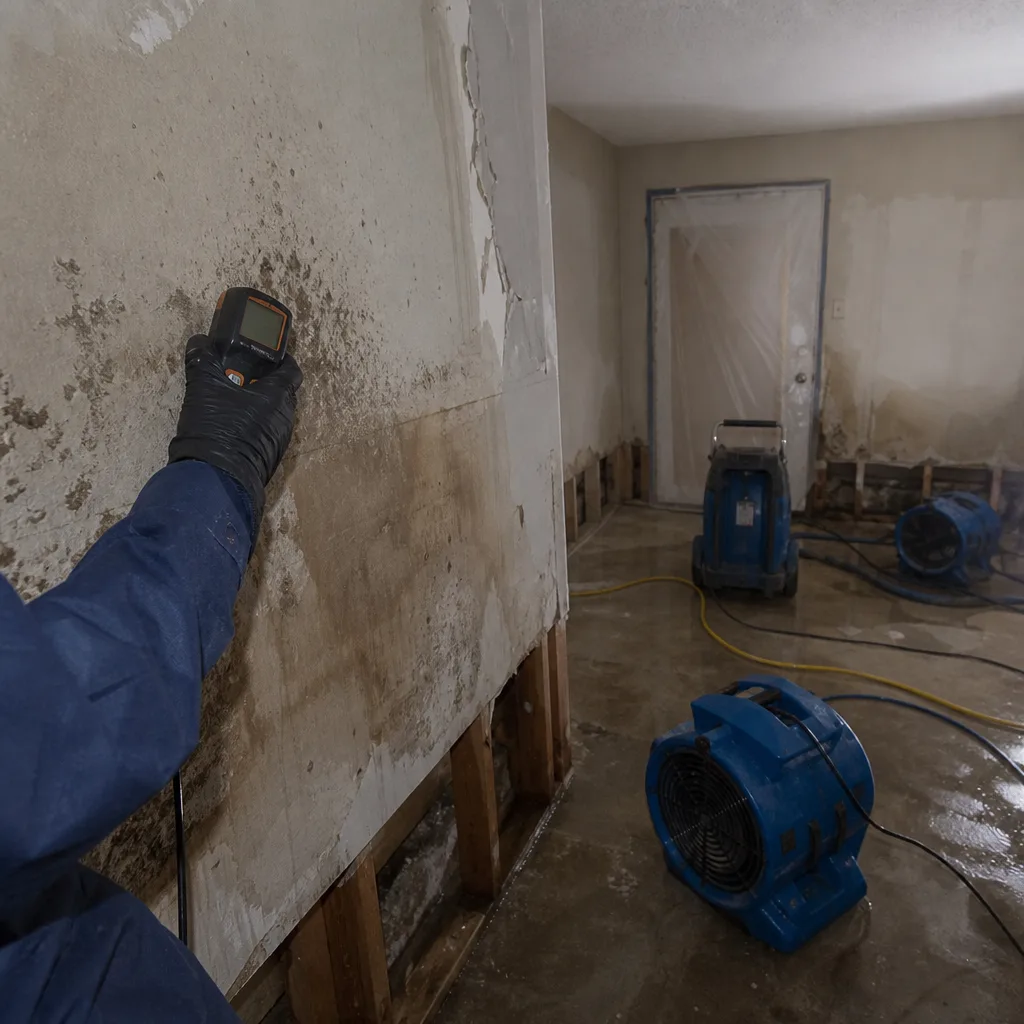 Before
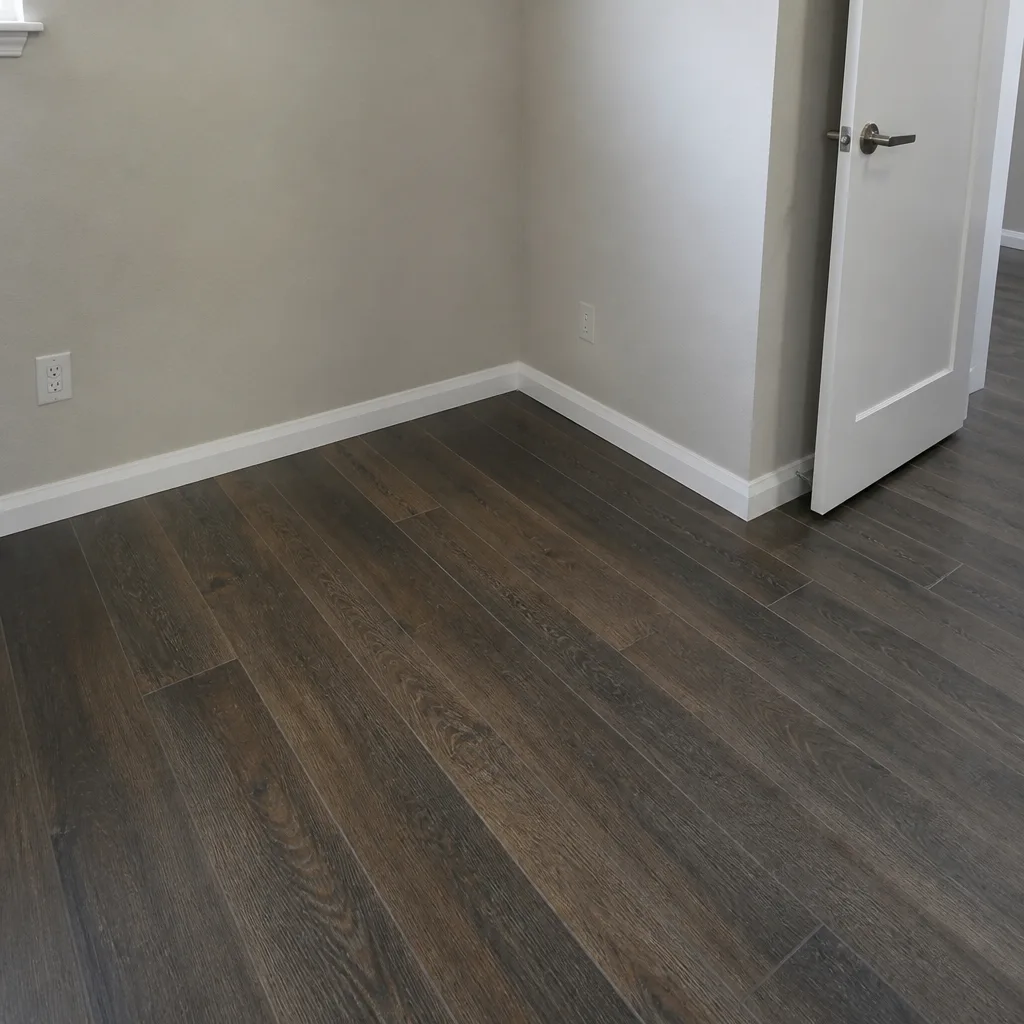 After
After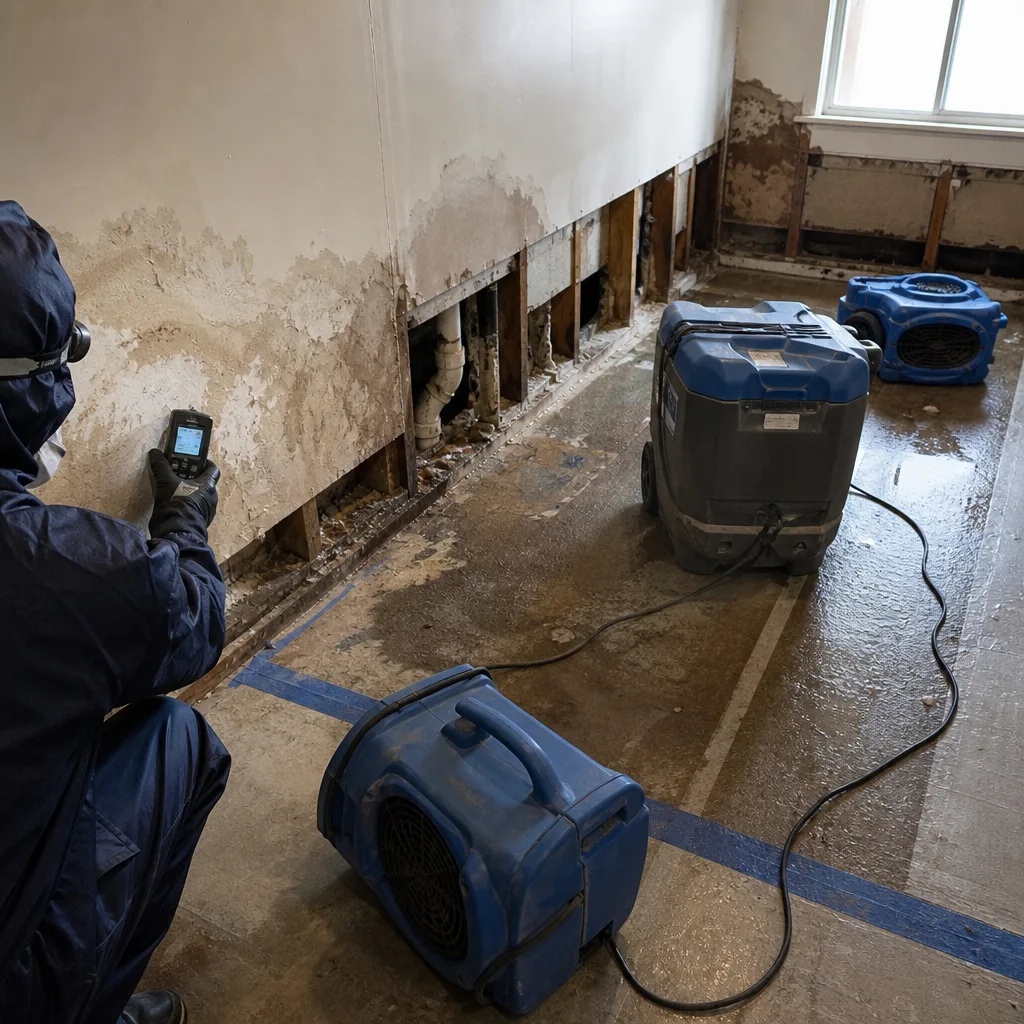 Before
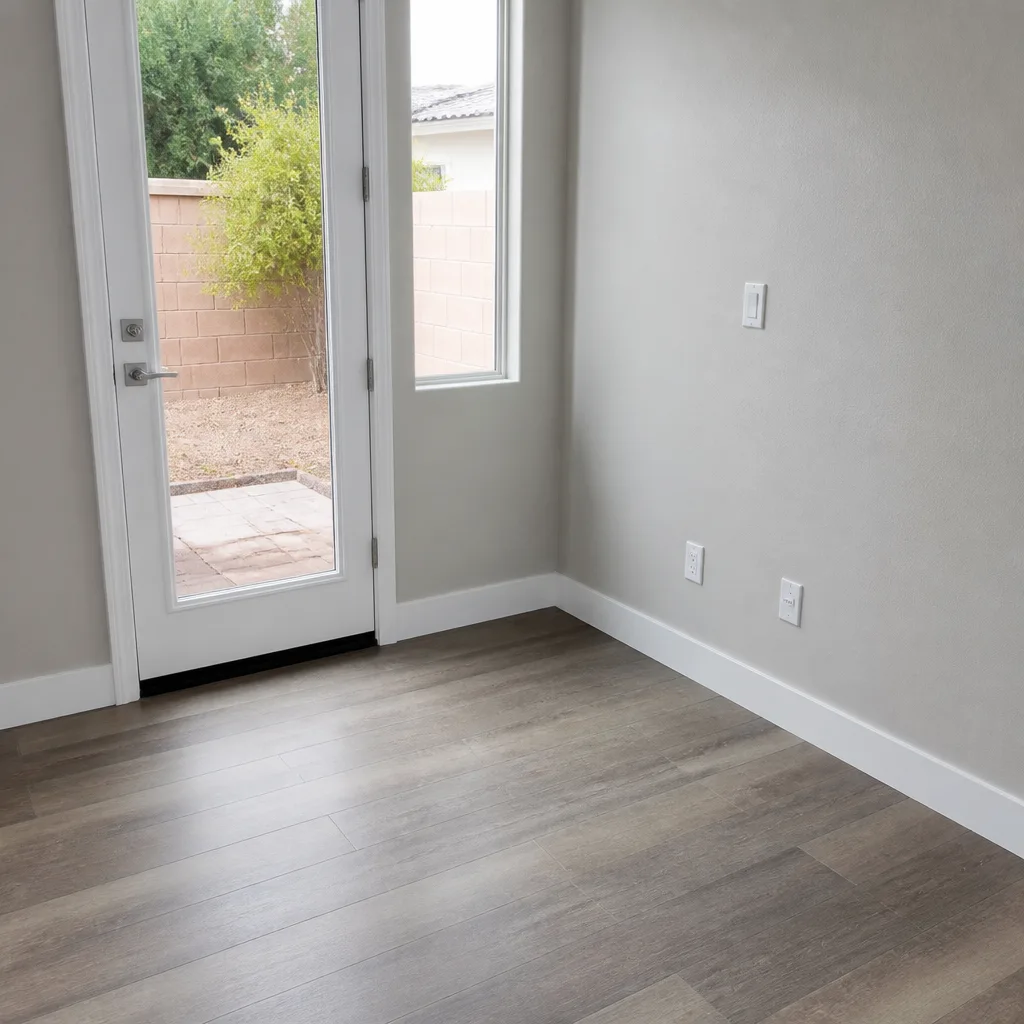 After
AfterHow to Hire a Damage Restoration Contractor in Henderson: A Step-by-Step Guide
In Nevada, a licensed contractor can legally begin demolition the same day you sign an authorization - without providing a written scope or price estimate first. Most homeowners in Henderson discover this only after the invoice arrives. We’ve reviewed thousands of restoration files since 2011, and the pattern is consistent: the homeowners who fare best aren’t the ones who found the contractor with the most stars. They’re the ones who knew which documents to demand before anyone cut a piece of drywall. This guide - alongside our Complete Guide to Damage Restoration in Henderson - shows you exactly what those documents are, how to verify them, and why the written scope matters more than any review.
Quick Answer
To hire a damage restoration contractor in Henderson, demand five documents before any work begins: a written scope of work, an itemized estimate, an equipment list with serial numbers, a photo log start date, and confirmation of insurance direct-bill capability. Our Water Damage Restoration Maintenance Checklist for Henderson Homeowners provides a printable version you can use during contractor interviews. Verify the Nevada contractor’s license on the NSCB portal, confirm IICRC or RIA technician certification, and require that any change order over $500 be authorized in writing. Never authorize demolition based on a verbal estimate.
Table of Contents
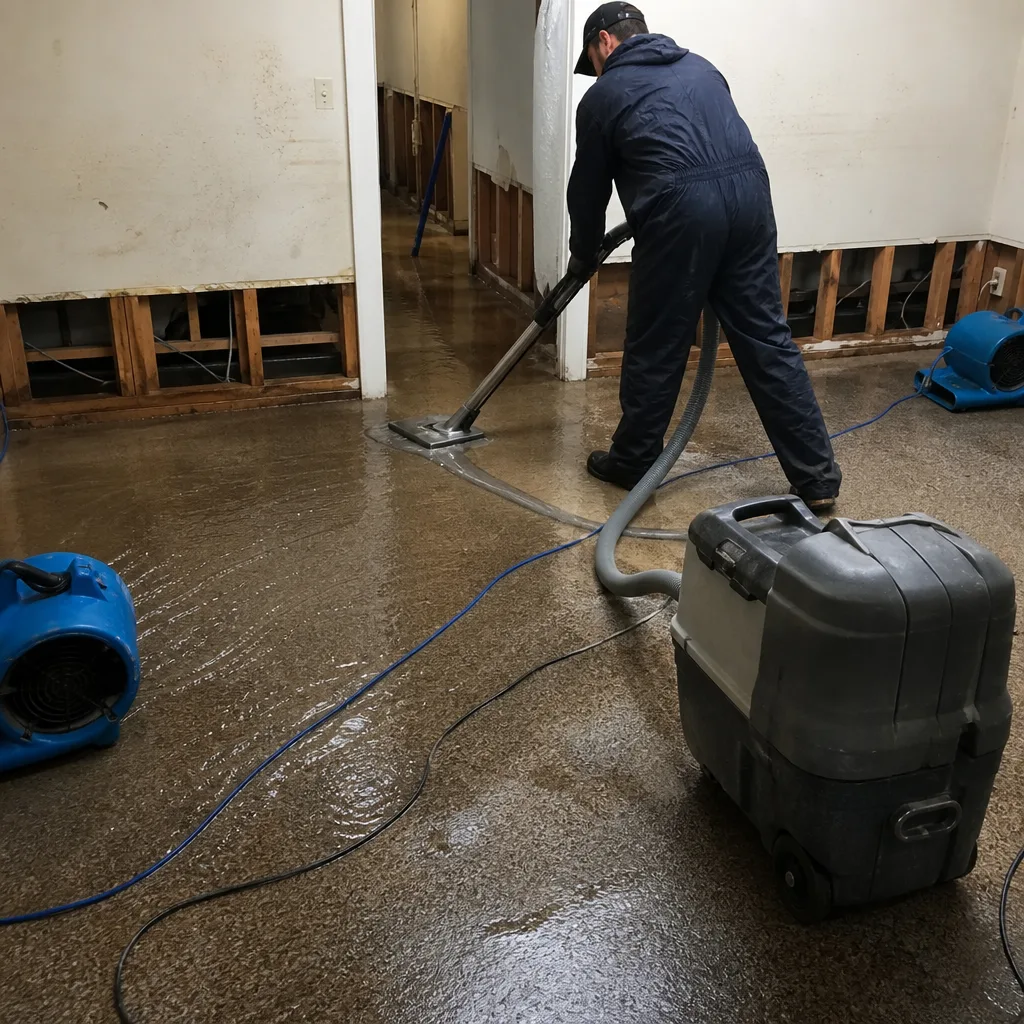
- What Nevada Law Allows (And What It Doesn’t Protect You From)
- The Five Documents Every Contractor Must Produce First
- How to Verify a Nevada Contractor’s License in Under Three Minutes
- Why Your Insurer’s “Preferred” Contractor Needs the Same Scrutiny
- Contract Language That Stops Scope Creep Before It Starts
- Communication Red Flags That Predict Documentation Failures
- Henderson-Specific Factors: Climate, Codes, and Neighborhood Conditions
- Common Mistakes to Avoid
- When to Call a Professional
- Frequently Asked Questions
- The Bottom Line
 Before
 After
AfterWhat Nevada Law Allows (And What It Doesn’t Protect You From)
Nevada Revised Statutes Chapter 624 governs contractor licensing, and it sets a low bar for what must happen before work begins. A licensed contractor needs only your signed authorization to start demolition, drying, or pack-out services. The law does not require a written price estimate before work commences. It does not require daily documentation. It does not require that you receive moisture readings or photo records. These protections exist only if you negotiate them into your agreement.
This matters in Henderson more than in many markets because of our housing stock and our climate. The homes built during the 1990s and 2000s boom in neighborhoods like Green Valley Ranch, Anthem, and Seven Hills use construction methods that trap moisture differently than older Las Vegas Valley homes. Stucco-over-foam exterior systems, common in Henderson’s master-planned communities, can hide water intrusion for weeks. A contractor who begins demolition without documenting pre-loss conditions with dated photos may remove the very evidence your insurer needs to distinguish pre-existing damage from covered loss.
We’ve seen this scenario repeatedly: a homeowner in MacDonald Ranch authorizes emergency water extraction after a supply line fails. The contractor removes wet drywall, treats the cavity with antimicrobial, and places drying equipment. Three weeks later, the insurer denies a portion of the claim because the contractor’s photos lack timestamps, moisture readings, or square-footage documentation. The homeowner is left with an invoice for work the insurer won’t fully cover.
The lesson is straightforward. Nevada law gives you the right to demand more than the minimum. A contractor who operates under a documented standard - one that specifies what you receive in writing, when you receive it, and what happens if the work fails - is offering you protection the statute does not.
At DryMark Restoration Henderson home, we operate under The Haven Standard, which requires Haven Standard, Clause 1: a written price before any work starts, every time, with no exceptions. This is not a courtesy. It is a structural protection against the documentation gap that costs Henderson homeowners their claims.
The Five Documents Every Contractor Must Produce First
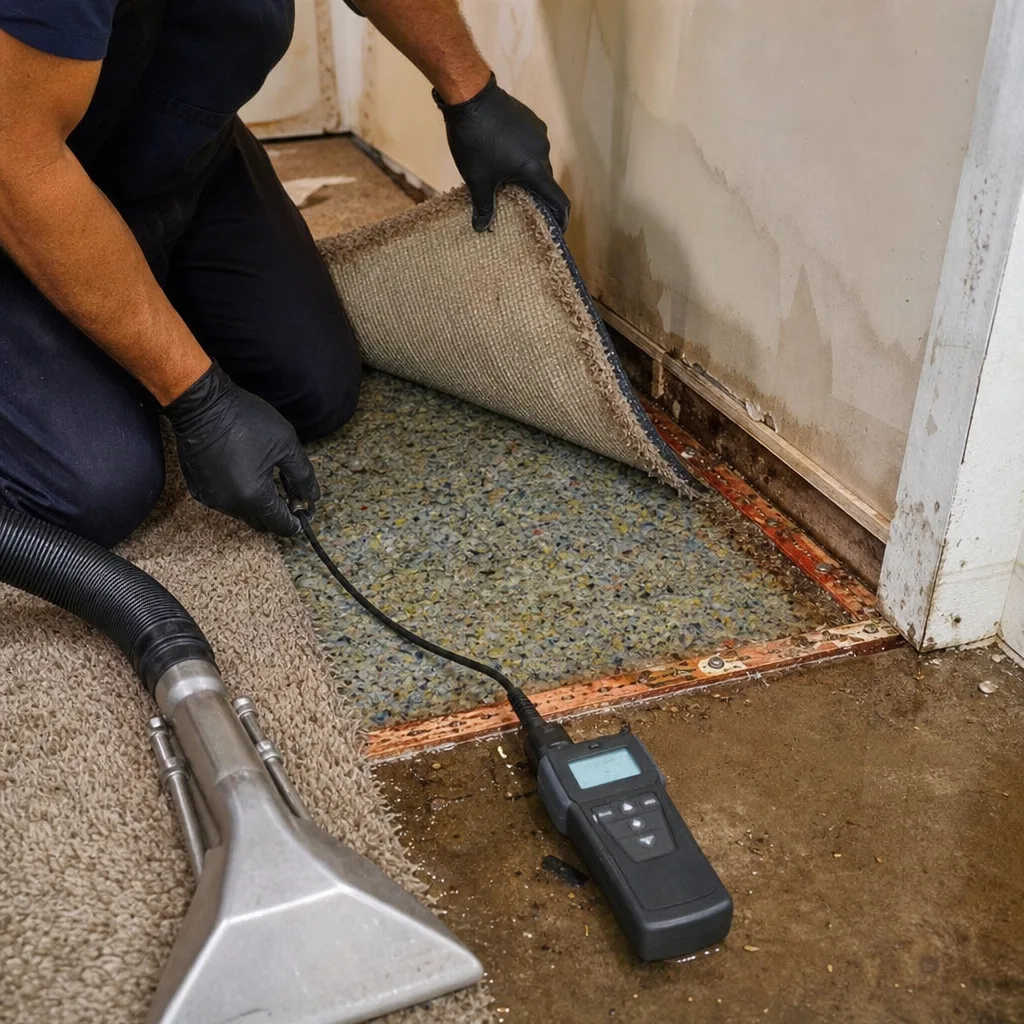
Before a single square foot of flooring is removed, you should hold five documents. Each serves a specific purpose in protecting your property, your claim, and your financial exposure.
1. Written Scope of Work
This document defines what will be done, where, and in what sequence. It should identify affected rooms by name, specify materials to be removed (gypsum wallboard, laminate flooring, base trim, insulation type), and note any contents that will be packed out, cleaned on-site, or disposed. The scope should reference the cause of loss and the date it was discovered.
A proper scope for a Henderson home with a slab foundation will differ from one with a raised floor in the foothills above Black Mountain. The scope should account for this. If your home is in the foothills near Inspirada or the Paseos, where winter temperature swings can affect drying times, the scope should note the expected drying period and the psychrometric data - temperature, relative humidity, and vapor pressure differential - that will be monitored to determine when the structure is dry.
2. Itemized Estimate
The estimate should line-item every charge: labor hours by trade, material quantities with unit costs, equipment rental days with daily rates, and disposal fees. It should separate emergency services (water extraction, initial demolition, equipment placement) from reconstruction (drywall installation, flooring replacement, paint, trim). This separation matters for insurance purposes; many policies cover emergency mitigation differently than rebuild.
Here is what you should expect to see for typical Henderson restoration scenarios:
| Service Category | Typical Range (Henderson Market) | What Drives Variance |
|---|---|---|
| Emergency water extraction (per affected area) | $350 - $750 | Square footage, standing water depth, contaminated vs. clean source |
| Structural drying (per day, equipment rental) | $85 - $175 | Dehumidifier capacity (Dri-Eaz LGR vs. Phoenix 200 HT), air mover count |
| Demolition and disposal (per room) | $400 - $900 | Material type, asbestos/lead testing requirements, accessibility |
| Mold remediation (per square foot, contained area) | $15 - $35 | Containment complexity, HVAC isolation, post-remediation verification testing |
| Contents pack-out and inventory | $650 - $1,400 | Item count, specialty items (art, electronics), cleaning vs. storage |
| Smoke odor removal (per room) | $500 - $1,200 | Source material (protein fire vs. synthetic), thermal fogging vs. ozone treatment |
These ranges reflect Henderson’s market conditions as of 2024-2025, including labor rates and disposal costs at Clark County facilities. Your specific estimate may fall outside these ranges based on loss severity and home configuration.
3. Equipment List with Serial Numbers
The contractor should provide a list of every piece of equipment to be placed in your home: dehumidifiers, air movers, air scrubbers, and any specialty equipment like Injectidry cavity drying systems or B-Air negative air machines. Each item should have a serial number or asset tag. This serves two purposes. First, it prevents billing disputes - you can verify what was actually deployed. Second, it allows your insurer to confirm that professional-grade equipment, documented to IICRC standards, was used rather than consumer-grade alternatives.
4. Photo Log Start Date
The contractor should commit in writing to a photo documentation protocol: photos of every affected room before work begins, photos during each phase of demolition and drying, and photos of the dry standard verification. These photos should be date-stamped and made available to you and your adjuster. At DryMark Restoration Henderson, we provide this as a standard deliverable on every visit, never as an upsell. The photo record is what transforms a restoration invoice into a claim an insurer will pay without a fight.
5. Insurance Direct-Bill Confirmation
If you intend to use insurance coverage, the contractor should confirm in writing whether they will bill your insurer directly and whether they will coordinate with your adjuster. They should also state their policy on deductibles: when payment is due, whether the deductible is collected upfront or at project completion, and what happens if the insurer’s estimate differs from theirs. The Free Second Opinion on any competitor’s written estimate that we offer exists precisely because insurer estimates and contractor scopes frequently diverge, and homeowners need an independent comparison point.
How to Verify a Nevada Contractor’s License in Under Three Minutes
The Nevada State Contractors Board (NSCB) maintains a public license lookup at nscb.nv.gov. Here is the exact process:
- Navigate to the “License Search” portal. No account is required.
- Enter the contractor’s business name or the individual license number they provide.
- Review the license status: “Active” is the only acceptable status. “Expired,” “Suspended,” or “Revoked” means the contractor cannot legally perform work in Nevada.
- Check the classification: for water damage restoration and mold remediation, look for Classification C-14 (Painting and Decorating) or C-15 (Flooring), which often cover associated remediation work, or a specialty classification specifically for restoration. For reconstruction, Classification B (General Building) is standard.
- Verify the monetary limit: Nevada licenses include a maximum contract value the contractor is authorized to perform. If your loss estimate exceeds this limit, the contractor cannot legally execute the contract.
- Confirm workers’ compensation coverage: the NSCB portal shows whether the contractor maintains active workers’ comp, which protects you from liability if a worker is injured on your property.
A lapsed license has specific consequences for your claim. If you hire an unlicensed contractor and a dispute arises, the Nevada courts will not enforce the contract. More critically, most homeowner’s insurance policies contain provisions that limit or deny coverage for work performed by unlicensed contractors. Your adjuster may reduce your claim payment or deny portions of it entirely. The three minutes spent on the NSCB portal is the highest-return due diligence you can perform.
In Henderson, we’ve encountered situations where a contractor held an active California license but let their Nevada license lapse, or where a technician presented a company business card but was not individually licensed for the classification being performed. Always verify the specific license under which your job will be performed.
Why Your Insurer’s “Preferred” Contractor Needs the Same Scrutiny
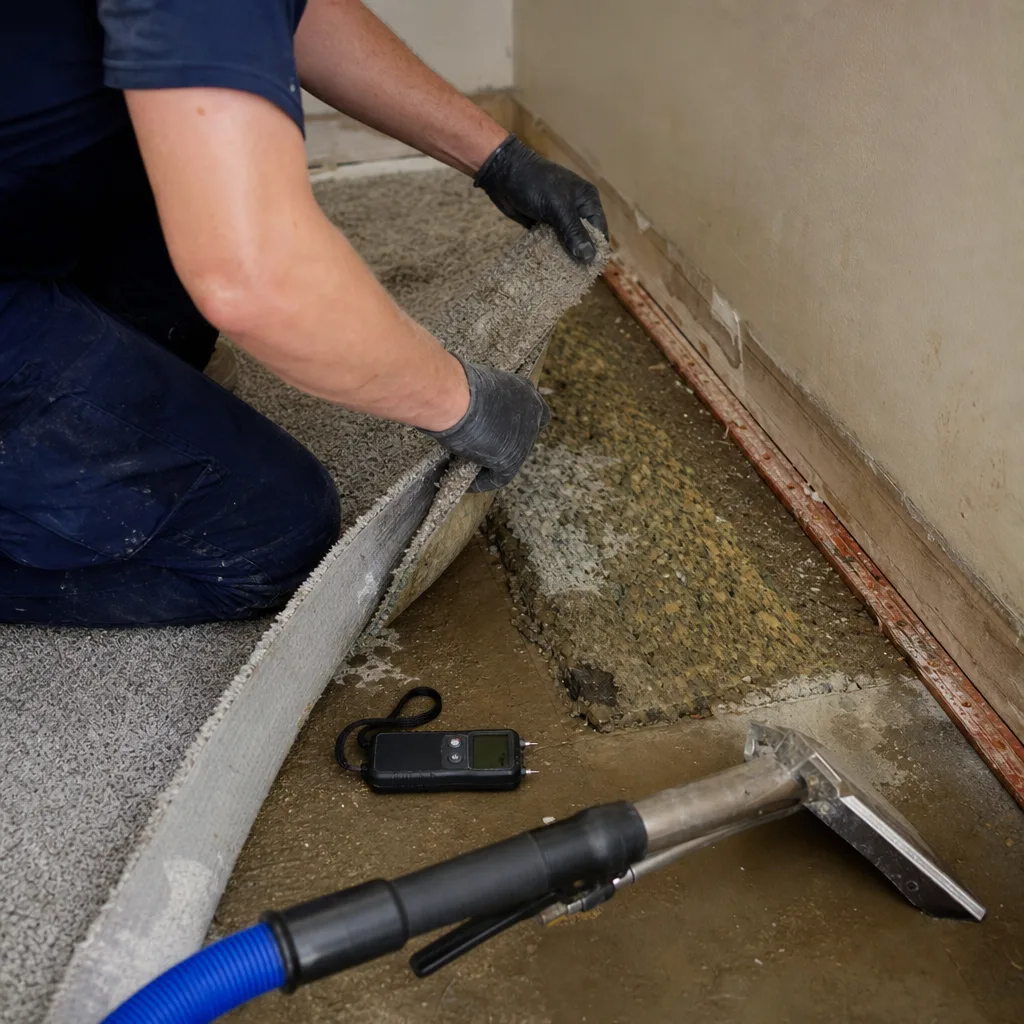
After a loss, your insurer may provide a list of “preferred” or “recommended” restoration contractors. These relationships exist because the contractor has agreed to pricing guidelines, response time commitments, or direct billing protocols that streamline the claims process. The arrangement benefits the insurer administratively. Whether it benefits you depends on the contractor’s documentation practices.
The conflict of interest is structural, not necessarily malicious. A contractor who derives significant revenue from insurer referrals has incentive to keep claim costs within the insurer’s preferred range. This can manifest as abbreviated drying times, limited demolition scopes, or resistance to secondary damage investigations. In Henderson’s climate, where summer humidity can slow evaporation and winter temperature drops can extend drying periods, a contractor under pressure to close jobs quickly may declare a structure “dry” before it reaches the established dry standard.
Evaluate an insurer-referred contractor with the same five-document standard you would apply to any other vendor. Ask:
- Will you provide a written scope and itemized estimate before work begins, or do you work from the insurer’s estimate directly?
- What is your policy if your moisture readings exceed the insurer’s estimated drying period?
- Do you provide daily drying logs with psychrometric data, or summary reports only?
- Who signs the change-order authorization if additional damage is found: you, me, or the adjuster?
- What is your recourse if the insurer denies a portion of the claim after work is complete?
The answers reveal whether the contractor represents your interests or merely facilitates the claim. There are excellent restoration contractors on insurer preferred lists, and there are contractors who use the relationship to avoid accountability. The documentation standard is what distinguishes them.
Contract Language That Stops Scope Creep Before It Starts
Scope creep - the gradual expansion of work beyond the original agreement - is the most common source of disputes in restoration work. It happens because damage is often concealed until demolition begins. The contractor opens a wall and finds mold. They remove flooring and discover subfloor saturation. They begin drying and realize the HVAC system has distributed moisture throughout the ductwork. Each discovery is legitimate. The question is who authorizes the additional work, and at what price.
Your contract should contain specific language addressing this. At minimum:
- A change-order threshold in dollars, typically $500, above which written authorization is required before work proceeds. Below this threshold, the contractor may proceed with documented notification to you.
- A requirement that change orders include the same documentation as the original scope: written description, itemized pricing, and expected impact on project timeline.
- A statement that you have the right to obtain a second opinion on any change order before authorizing it. Our Free Second Opinion on any competitor’s written estimate applies to change orders as well.
- A clause specifying that the original written price remains binding for work within the original scope, and that no charges will be added without documented authorization.
Haven Standard, Clause 1 - written price before work begins - exists to prevent the scenario where a contractor begins work, discovers additional damage, and presents a revised invoice that bears little resemblance to the original estimate. In Henderson’s master-planned communities, where homes often share common wall systems and construction vintages, we’ve seen contractors use knowledge of neighborhood-wide building practices to anticipate concealed damage, then fail to disclose that anticipation in the original estimate. The written scope with change-order protections forces transparency.
Communication Red Flags That Predict Documentation Failures
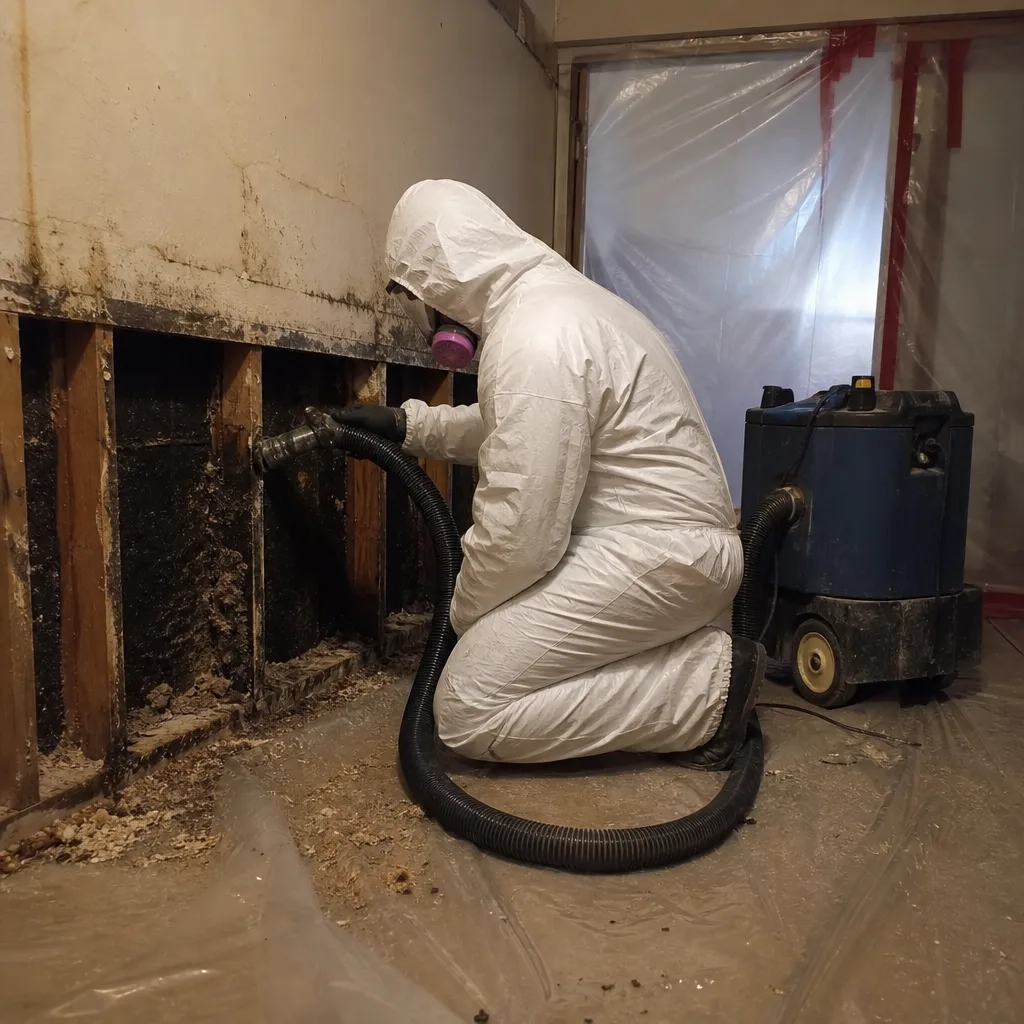
Poor documentation habits reveal themselves in communication before work begins. These are the patterns we’ve observed in contractor files that later became claims disputes:
- Verbal-only estimates. Any contractor who will not put a price in writing before work starts is operating outside the standard that protects you. This is non-negotiable.
- “We’ll document everything” without specifics. Ask what “everything” means: how many photos, what intervals, what measurements, in what format you will receive them. Vague promises become vague records.
- No daily log policy. A contractor who does not produce daily moisture readings and equipment checks is not monitoring drying progress. They are guessing at completion.
- Refusal to share logs with your adjuster. The drying log is not proprietary information. It is the evidence your adjuster needs to approve continued equipment rental or additional demolition.
- Pressure to authorize immediately. Water damage does require prompt response, but “prompt” does not mean “before you receive documentation.” A contractor who cannot produce a written scope within hours of arrival is not organized enough to produce reliable documentation later.
- Unnamed technicians. You should know who will be in your home. Background-checked, uniformed technicians - named, licensed, insured, and verified before they arrive - are the minimum standard.
These red flags cluster together. A contractor who provides verbal estimates typically does not produce daily logs. One who refuses to name technicians often lacks the documentation infrastructure to track who performed what work. The pattern is predictable, and it is avoidable.
Henderson-Specific Factors: Climate, Codes, and Neighborhood Conditions
Henderson’s location in the Las Vegas Valley creates restoration challenges distinct from nearby markets. Understanding these factors - detailed further in our Seasonal Damage Restoration Care for Henderson: Year-Round Homeowner’s Guide - helps you evaluate whether a contractor’s scope accounts for local conditions.
Climate and drying dynamics. Henderson’s average summer high exceeds 100°F, but relative humidity in July and August can spike during monsoon events. This combination - high heat with elevated moisture - creates vapor pressure differentials that drive moisture into building materials differently than in dry heat alone. A contractor using equipment calibrated for Phoenix’s drier climate may underestimate drying time in Henderson during monsoon season. The equipment list should include low-grain refrigerant (LGR) dehumidifiers, such as the Dri-Eaz Revolution or Phoenix 200 HT, capable of maintaining low specific humidity even when outdoor conditions are unfavorable.
Water chemistry. Henderson’s municipal water supply is among the hardest in the nation, with total dissolved solids exceeding 300 ppm. When this water evaporates, it leaves mineral deposits that can corrode metal fixtures, damage electronics, and create conductive films on circuit boards. A proper scope for water damage in Henderson should address electronics cleaning and testing, not merely structural drying. Water Damage Restoration in Henderson requires specific protocols for hard-water residue that differ from soft-water markets.
Neighborhood construction patterns. The age and construction type of your Henderson neighborhood affects concealed damage risk. Homes in Green Valley, built largely in the 1980s and 1990s, often have original copper plumbing reaching end of life. The Inspirada and Cadence developments, built 2010-2020, use PEX and manifold systems with different failure patterns. Older homes near the Water Street District may have galvanized supply lines, abandoned septic systems, or previous remodeling that altered drainage patterns. A contractor’s initial assessment should account for these factors, and the written scope should note any relevant building vintage or system type.
Local code and permit requirements. The City of Henderson requires permits for reconstruction work exceeding specific thresholds: electrical, plumbing, and HVAC modifications; structural repairs; and any work affecting load-bearing elements. A contractor performing reconstruction should identify which permits will be required, who will obtain them, and whether permit costs are included in the estimate. Unpermitted work can complicate future property sales and may void portions of your insurance coverage.
Soil and foundation considerations. Portions of Henderson, particularly west of the I-515 corridor and in the foothills, are built on expansive clay soils. Water intrusion that reaches these soils can cause foundation movement that manifests months after the initial loss. A thorough scope should address whether foundation monitoring or engineering evaluation is warranted, particularly for significant water losses in these areas.
Common Mistakes to Avoid
- Authorizing work based on a “ballpark” figure. In Nevada, that verbal number has no legal standing. The final invoice can be triple the ballpark, and you have limited recourse if you authorized work without a written scope. Haven Standard, Clause 1 exists precisely to end this practice.
- Assuming your insurer’s estimate covers everything. Insurer estimates are preliminary. They are based on visible damage and standard pricing databases, not on moisture readings or concealed conditions. The contractor’s written scope should identify where their assessment differs from the insurer’s and provide documentation to support the difference.
- Neglecting to verify the license on the NSCB portal. A business card with a license number is not verification. We’ve seen expired licenses, mismatched classifications, and workers’ comp lapses that homeowners discovered only after an injury occurred on their property.
- Accepting a single moisture reading as “dry.” Proper drying verification requires multiple readings per room, taken over multiple days, with equipment adjusted based on psychrometric data. A contractor who removes equipment after one reading is not following IICRC standards.
- Failing to document pre-existing conditions. Before any work begins, photograph your property: floors, walls, ceilings, personal property. This protects you if the insurer or contractor later claims damage existed before the loss. Your photo record complements the contractor’s; it does not replace it.
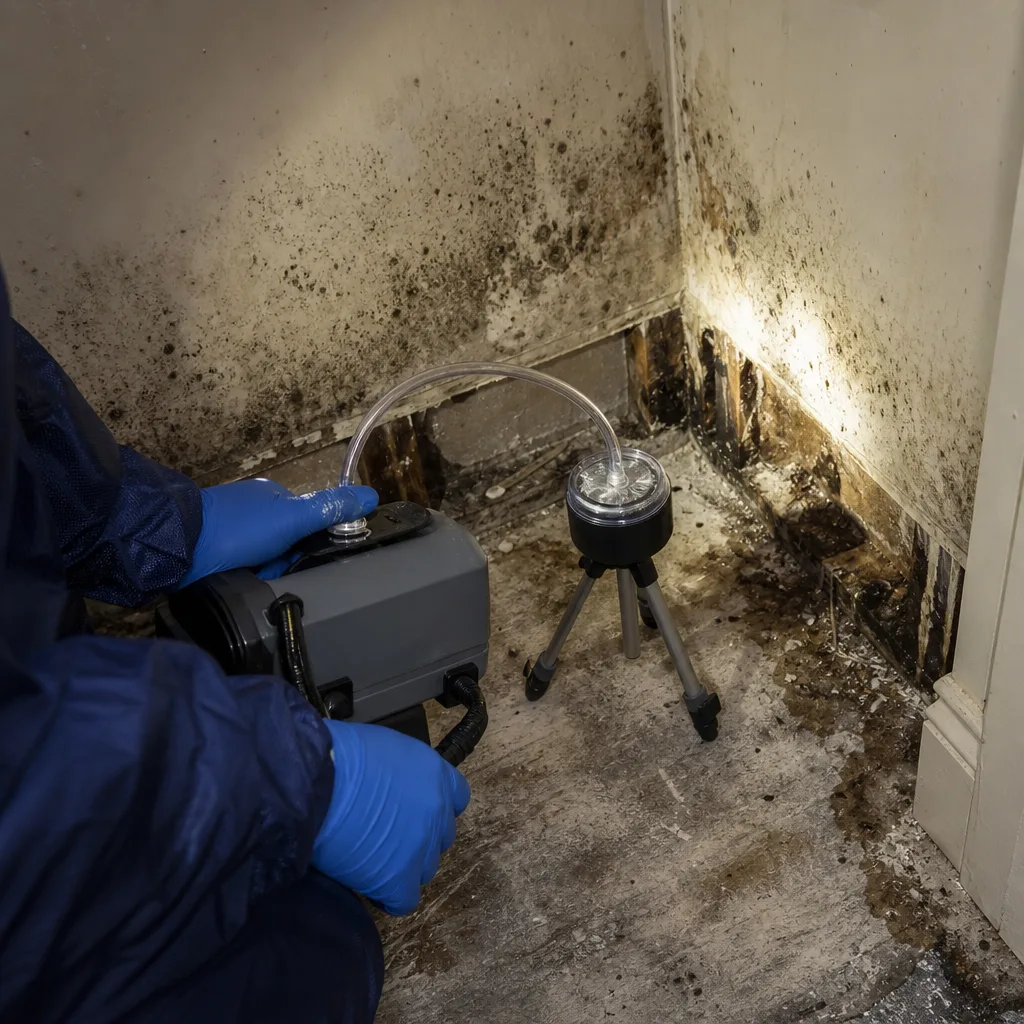
- Ignoring mold risk in Henderson’s climate. Our warm season extends from April through October. A water loss that is not properly dried within 48-72 hours has elevated mold risk in Henderson conditions, particularly in homes with stucco exterior systems that slow evaporation. Mold Remediation in Henderson becomes necessary when drying is incomplete or delayed.
- Not asking who performs the reconstruction. Some restoration companies subcontract all rebuild work. Others perform it in-house. The distinction matters for warranty purposes, scheduling coordination, and accountability if defects appear. The written scope should identify who performs each phase.
When to Call a Professional
Call a restoration contractor immediately when: water has affected multiple rooms or has been standing for more than a few hours; you smell smoke or see soot residue after any fire, including minor kitchen fires; mold is visible or you have persistent musty odors after a previous water loss; a sewage backup has occurred; or storm damage has compromised your roof, windows, or exterior envelope. In Henderson’s climate, delays in any of these scenarios compound damage and increase restoration cost.
For fire and smoke damage specifically, even small fires produce residues that corrode electronics and etch glass within hours. Fire & Smoke Damage Restoration in Henderson requires prompt response to prevent secondary damage that insurance may classify as owner neglect.
DryMark Restoration Henderson offers free estimates in Henderson. Call (725) 696-9449. Every estimate includes a written scope and itemized pricing before any work is discussed. Visit our blog for more guides & resources on protecting your Henderson home. Our live phone coverage is available 24 hours a day, 7 days a week with no voicemail on emergency lines.
Frequently Asked Questions
Emergency water extraction typically ranges from $350 to $750 per affected area, structural drying runs $85 to $175 per day depending on equipment type, and mold remediation averages $15 to $35 per square foot for contained areas. Your specific cost depends on loss severity, affected materials, and whether reconstruction is required. Call (725) 696-9449 for a written estimate with exact pricing for your situation - estimates are free.
Most Henderson homeowner’s policies cover sudden and accidental water damage, fire damage, and storm damage, subject to your deductible and policy limits. Coverage for mold remediation varies by policy and may be capped. The contractor’s documentation quality directly affects your claim outcome: photo records, moisture logs, and written scopes are the evidence your adjuster needs to approve payment. We coordinate directly with adjusters and provide the documentation that supports full claim payment.
For emergency water, fire, and storm damage, DryMark Restoration Henderson provides live phone coverage 24 hours a day, 7 days a week with no voicemail, and dispatches crews for emergency response. Reconstruction and non-emergency remediation are scheduled after written scope and pricing are agreed. Response time for emergencies depends on your Henderson neighborhood and current demand, but emergency dispatch is our standard protocol for active water and fire losses.
For water damage affecting more than a small, contained area, professional drying is necessary to reach the established dry standard and prevent mold growth. For mold, fire residue, sewage, or biohazard contamination, self-cleaning is inadvisable: these materials require containment, specialized equipment, and disposal protocols that protect your health and your property value. In Henderson’s climate, incomplete drying virtually guarantees mold problems within 72 hours. We provide a Free Second Opinion on any competitor’s written estimate if you’re uncertain whether proposed work is necessary.
We coordinate directly with your adjuster as part of our standard service, providing photo documentation, drying logs, and written scopes that support your claim. You remain the policyholder and must authorize all work and communications, but we handle the documentation burden that most homeowners find overwhelming during a loss. This direct coordination is part of what transforms a restoration invoice into a payable claim.
Obtain a detailed explanation of the difference. Often the discrepancy involves concealed damage the adjuster could not see, different pricing databases, or omitted line items. A contractor with proper documentation can present moisture readings, photo evidence, and trade-standard pricing to support their scope. Our Free Second Opinion on any competitor’s written estimate can provide an independent assessment of whether the scope and pricing are justified. Never authorize work based on an insurer’s estimate alone if the contractor’s scope identifies additional necessary work.
The Bottom Line
The standard hiring advice - check reviews, verify license, get three quotes - is necessary but insufficient. It fails at the moment that matters: when a contractor is standing in your Henderson home, asking you to authorize work before you’ve received documentation. The five documents - written scope, itemized estimate, equipment list, photo log commitment, and insurance direct-bill confirmation - are your protection against the documentation gap that costs homeowners their claims. Demand them before any work begins. Verify the license yourself on the NSCB portal. Require change-order protections in writing. And choose a contractor whose standard operating procedure produces the daily drying logs, room-by-room moisture readings, and photo records that turn restoration invoices into claims insurers pay without dispute.
Written by Alicia Brennan, Owner at DryMark Restoration Henderson, serving Henderson since 2011.