
Last updated September 23, 2026
Free visual inspection and a written scope of work before any mitigation begins - photos, moisture readings, and drying logs go in your claim file
The scope we write is the scope we bill. Anything new gets shown to you, in writing, before we touch it.
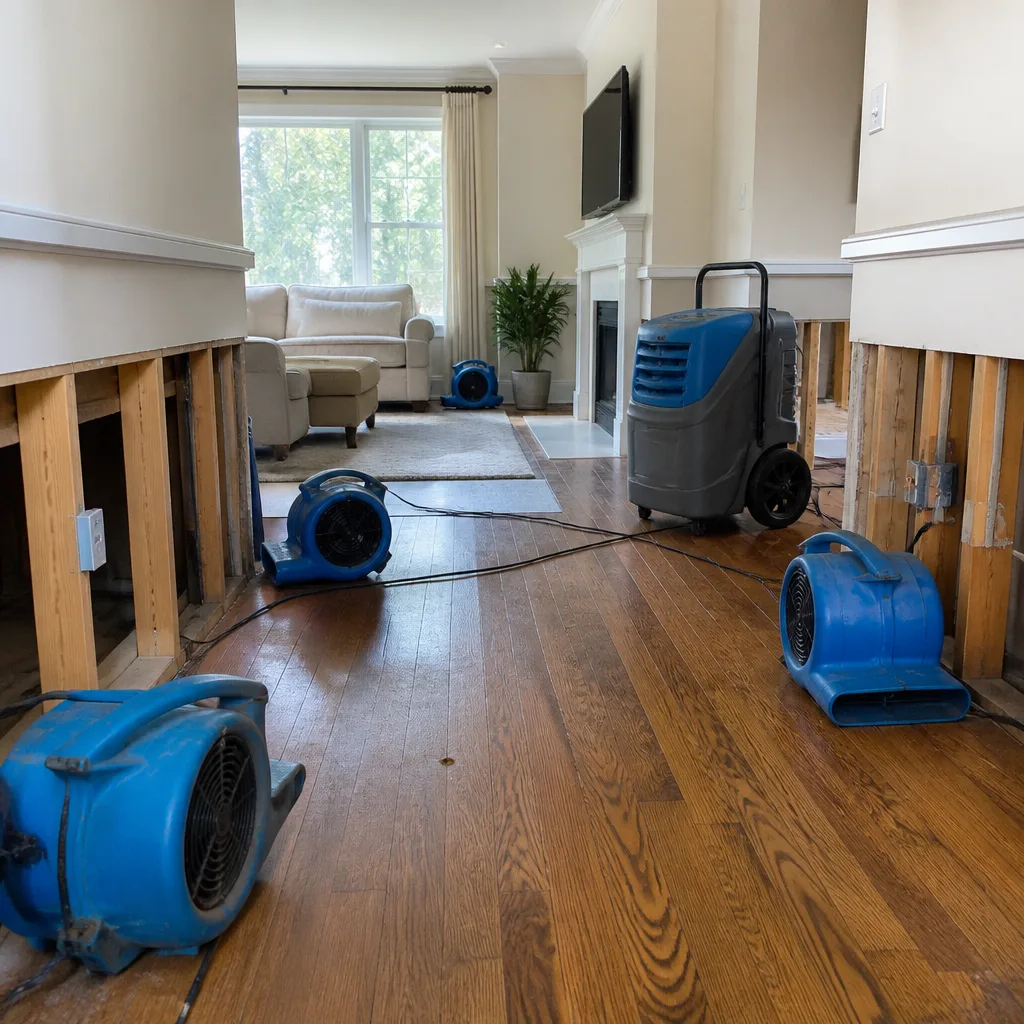
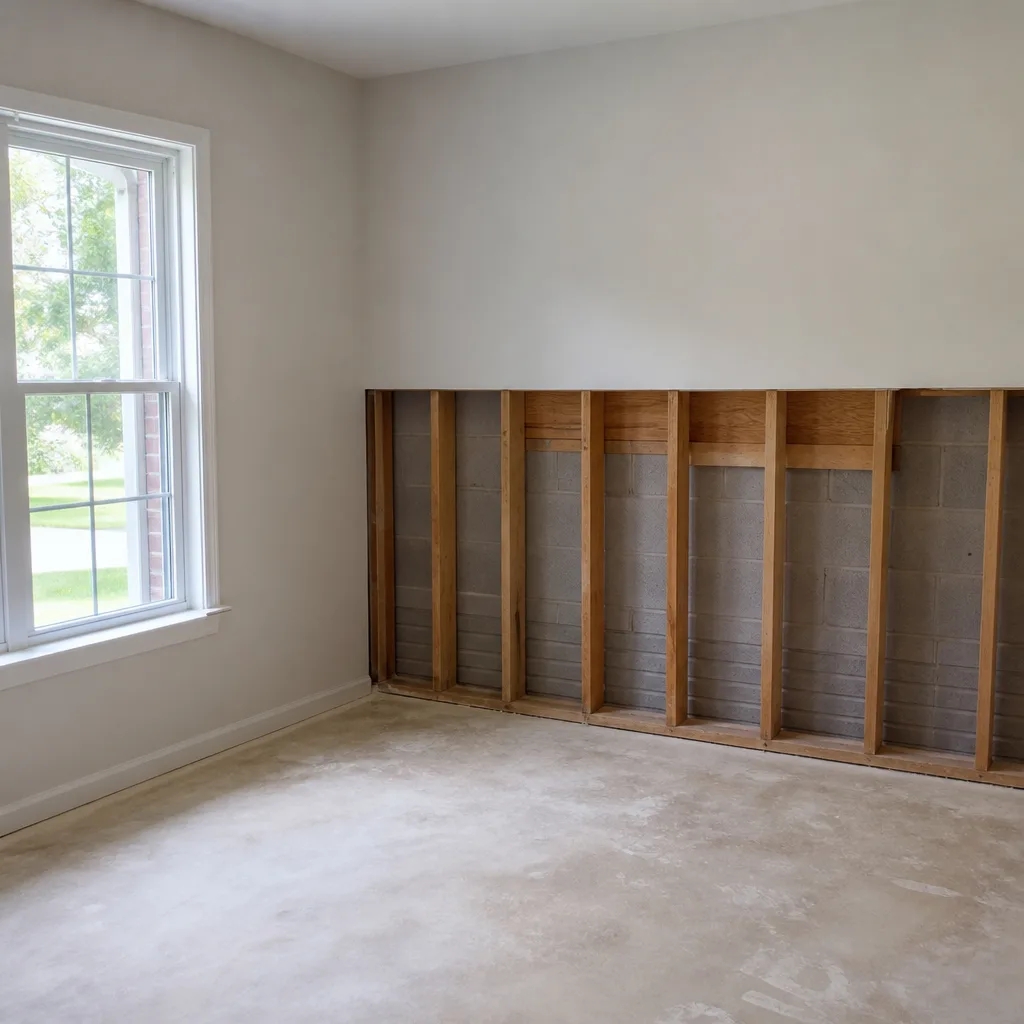
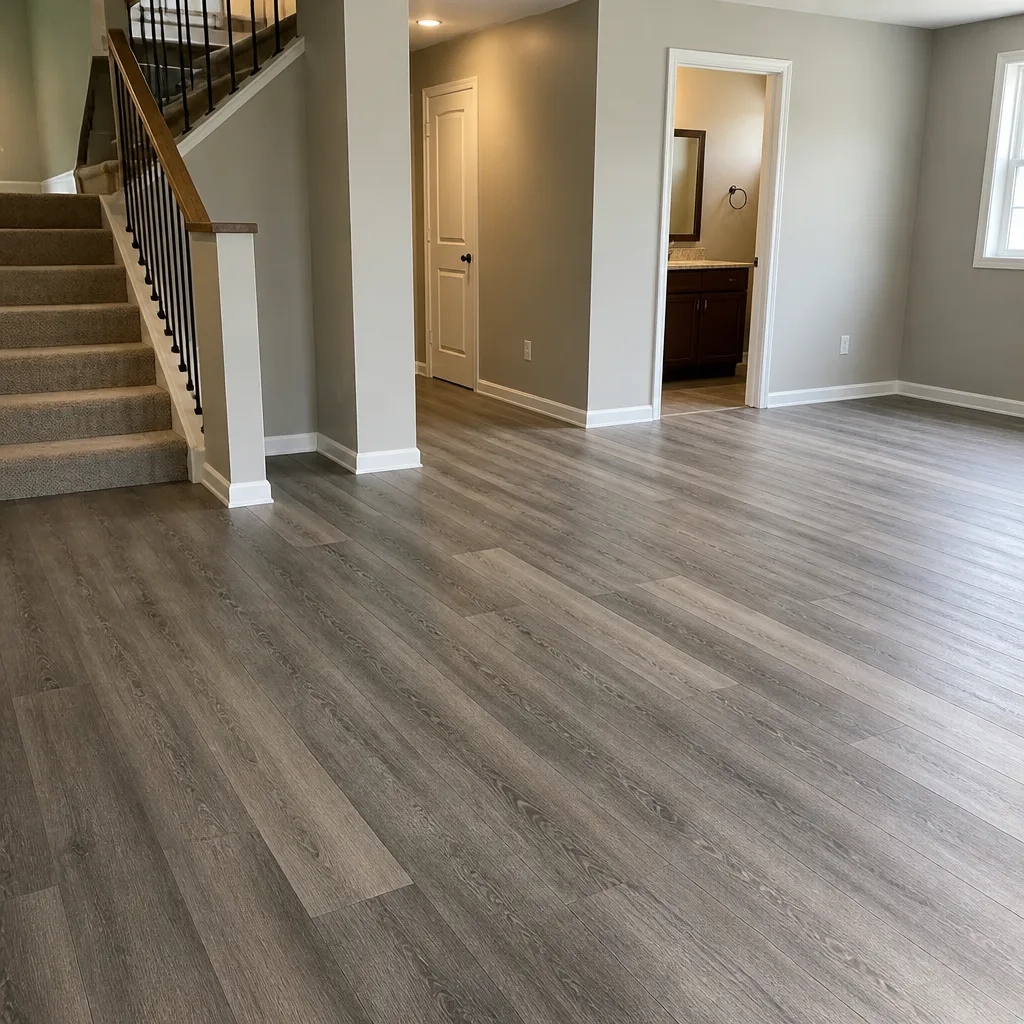
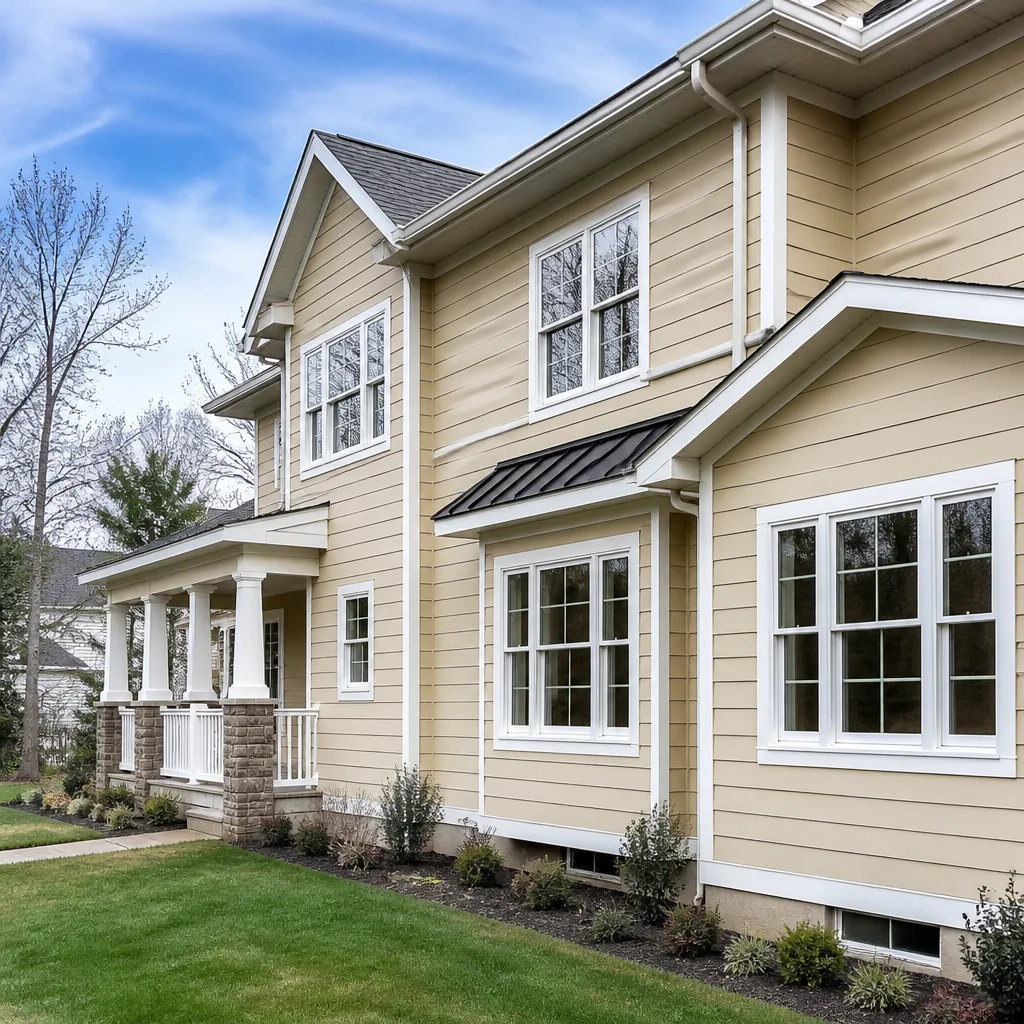
 Before
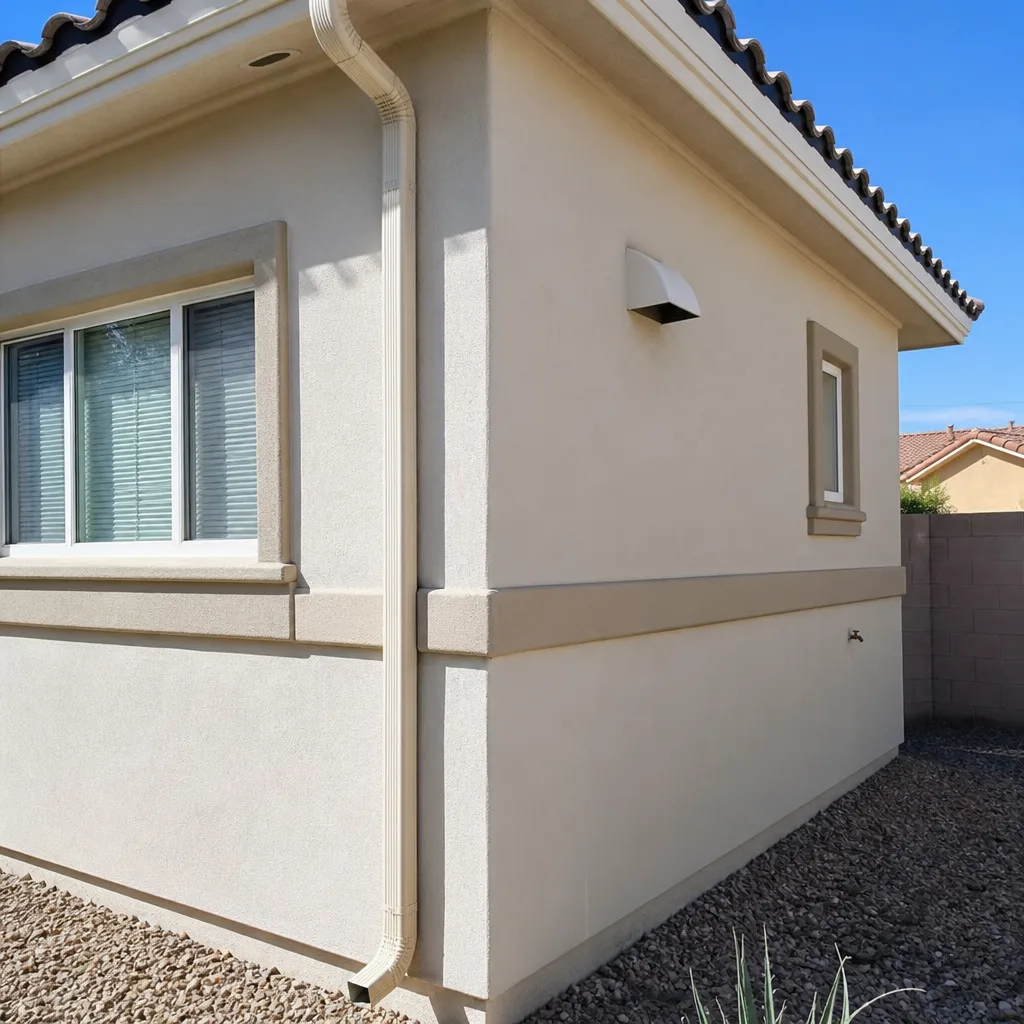 After
After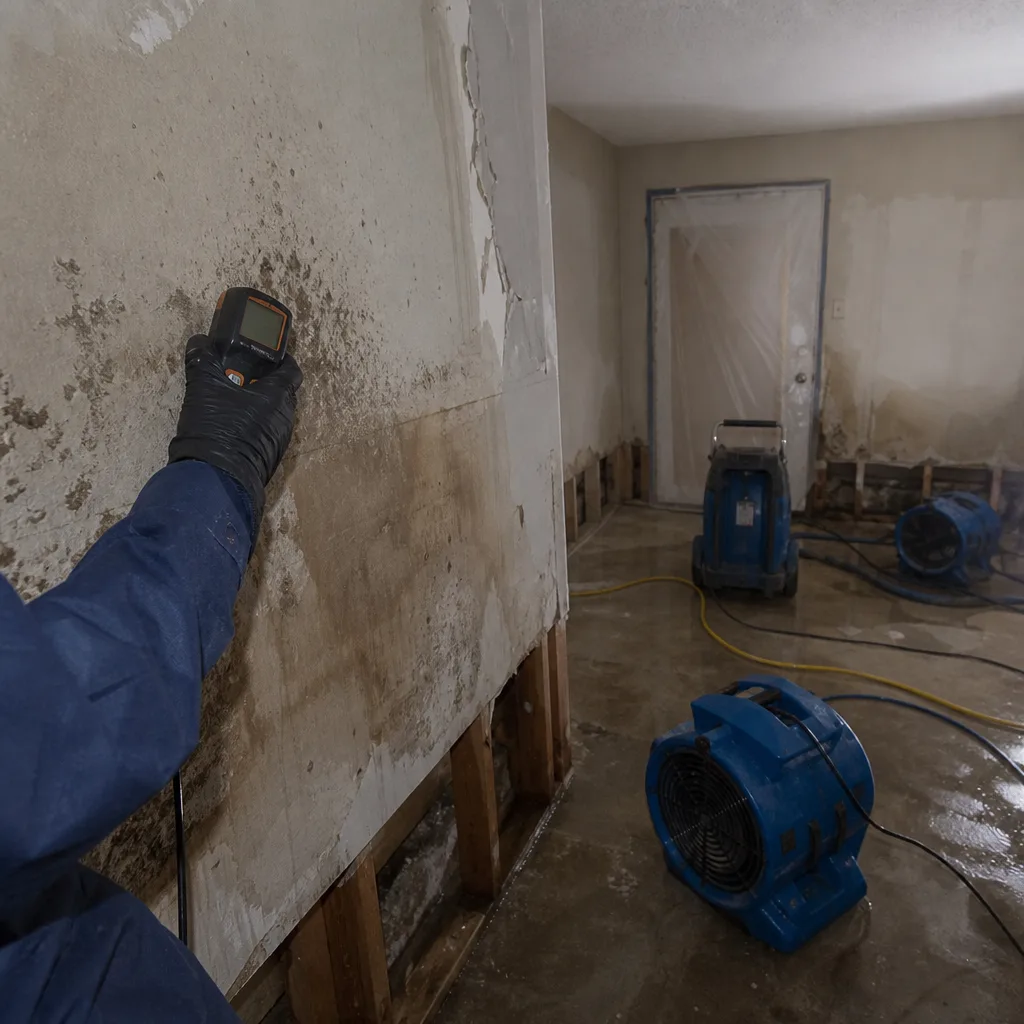 Before
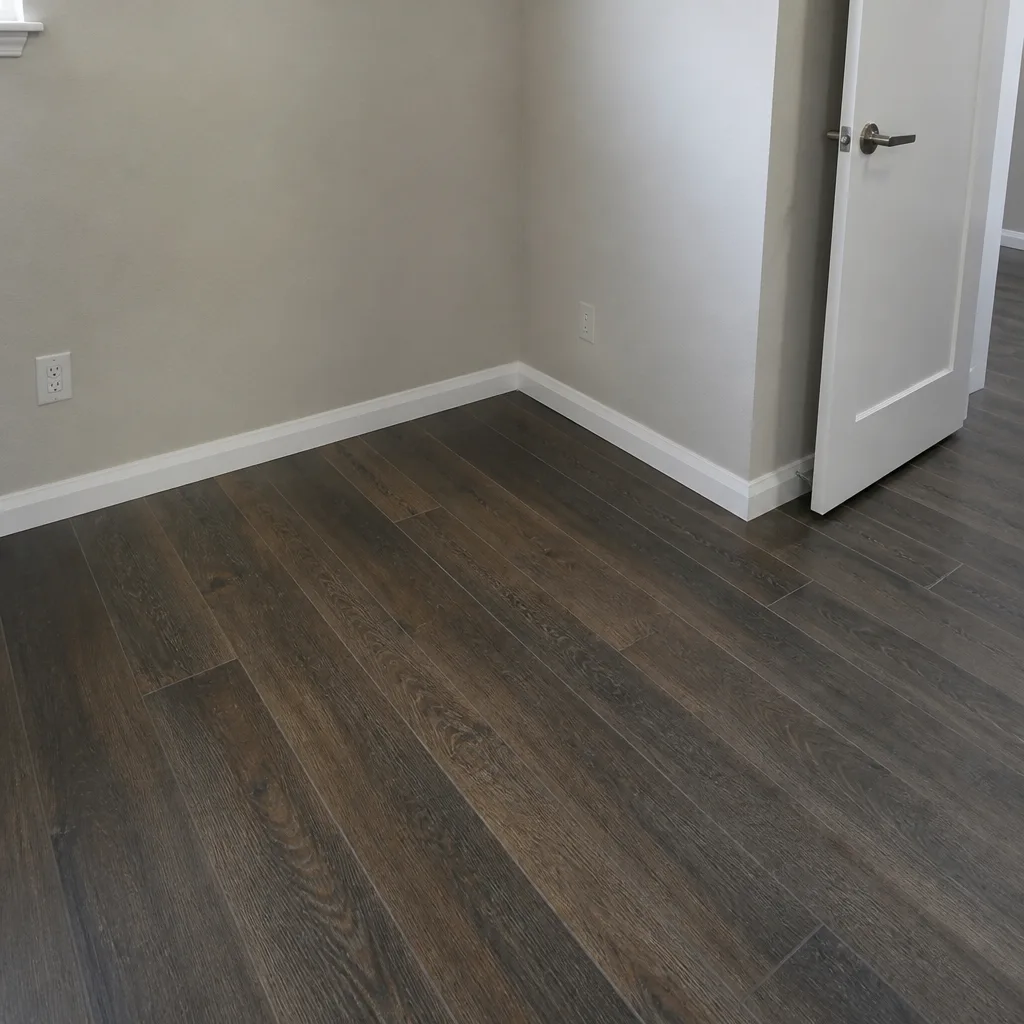 After
After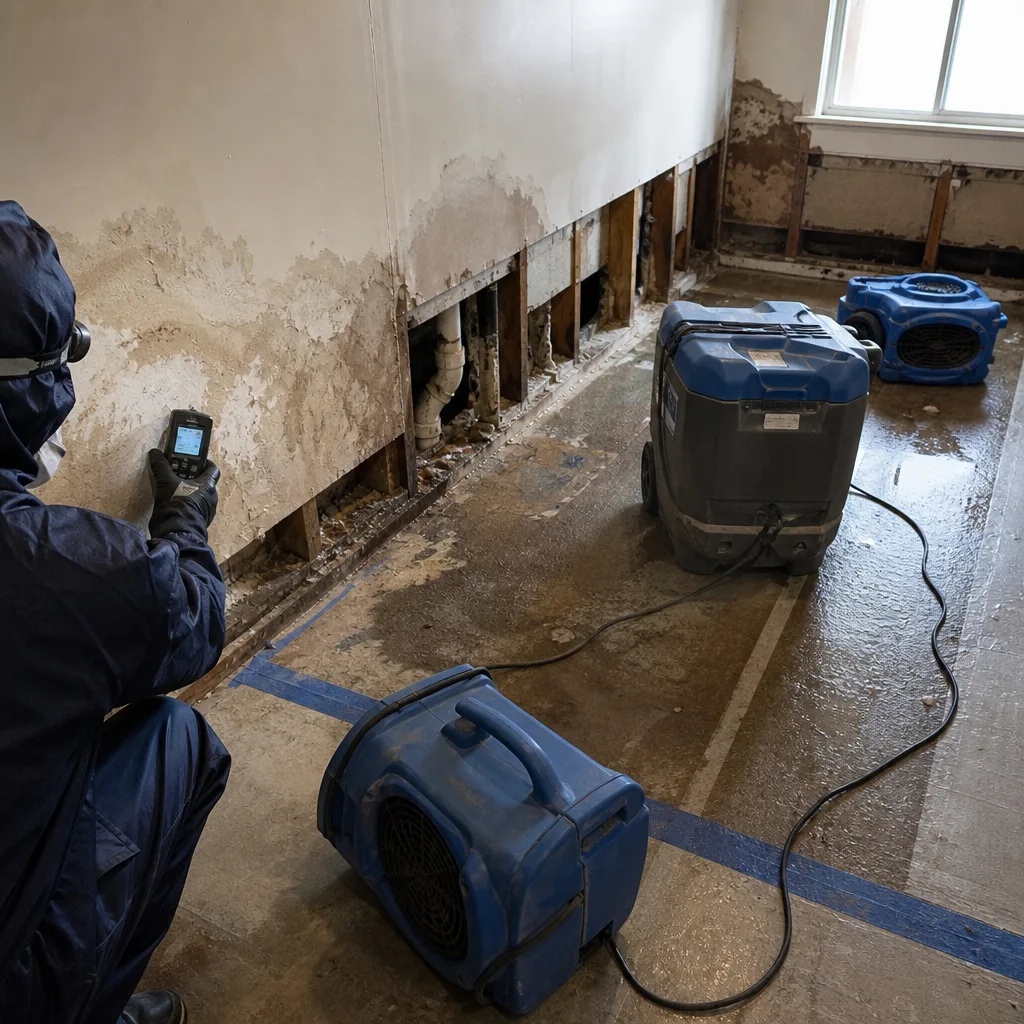 Before
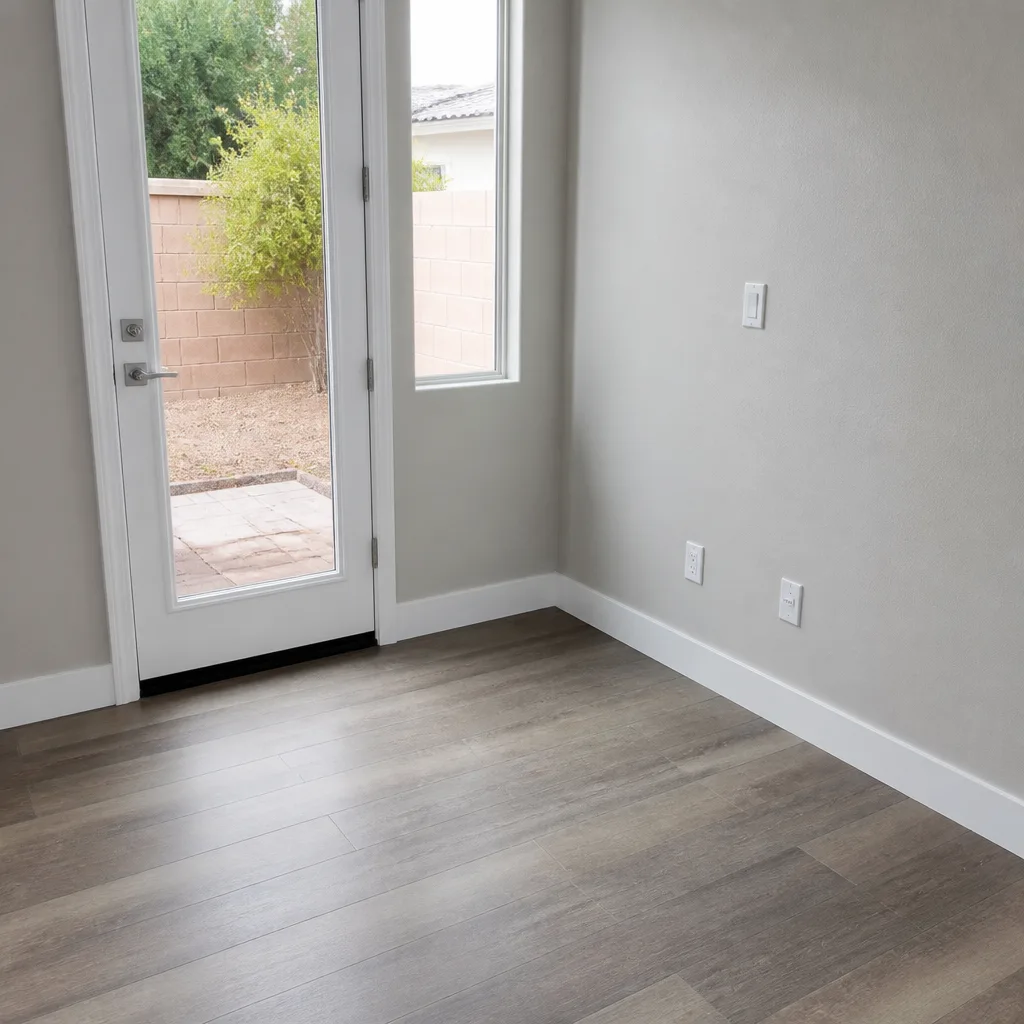 After
AfterThe Complete Guide to Damage Restoration in Henderson
An insurer can deny a $40,000 water damage claim on a single missing moisture log - not because the work was wrong, but because there’s no proof it was right. In Henderson, we’ve seen this exact scenario play out in Green Valley Ranch, Anthem, and the MacDonald Highlands, where homeowners assumed the restoration company was handling the paperwork. This guide will teach you to treat restoration as a documentation process with construction attached: what records you need, why Henderson’s climate creates unique damage patterns, and how Clark County’s permit requirements interact with insurance timelines. For related reading, see our Damage Restoration Warning Signs: A Henderson Homeowner’s Reference Guide. You’ll finish knowing what a complete restoration file looks like before you ever sign a certificate of completion.
Quick Answer
Damage restoration in Henderson is the process of returning a property to pre-loss condition after water, fire, mold, storm, or biohazard damage, documented through moisture readings, photo records, and written scopes that satisfy both insurers and Clark County inspectors. In Henderson’s climate - extreme summer heat, hard water, and monsoon-driven flash flooding - restoration follows a specific documentation chain: initial assessment with psychrometric data, daily drying logs with vapor pressure readings, permit-compliant reconstruction, and a final file containing every photo, log, and signed warranty. Without this paper trail, even properly executed work can become an unpaid claim.
Table of Contents
- Why Henderson’s Climate Creates a Different Damage Pattern
- The Documentation Chain That Decides Your Claim
- Mitigation vs. Remediation: The Costly Confusion
- Clark County Permits and Insurance Timelines
- Equipment, Standards, and What the Logs Actually Show
- What Your Completed Restoration File Should Contain
- Common Mistakes to Avoid
- When to Call a Professional
- Frequently Asked Questions
BeforeAfterWhy Henderson’s Climate Creates a Different Damage Pattern
Henderson restoration work diverges from national playbooks in three measurable ways. The first is water chemistry. Southern Nevada’s municipal supply runs 16-20 grains per gallon of hardness - among the highest in the nation. When a supply line bursts in a Henderson home, the mineral content in that water accelerates corrosion on aluminum window frames, discolors grout within 48 hours, and leaves scale deposits inside wall cavities that standard extraction methods won’t remove. We’ve pulled baseboards in Inspirada homes where the drywall appeared dry to touch but registered 18% moisture content due to calcium deposits trapping humidity against the paper face.
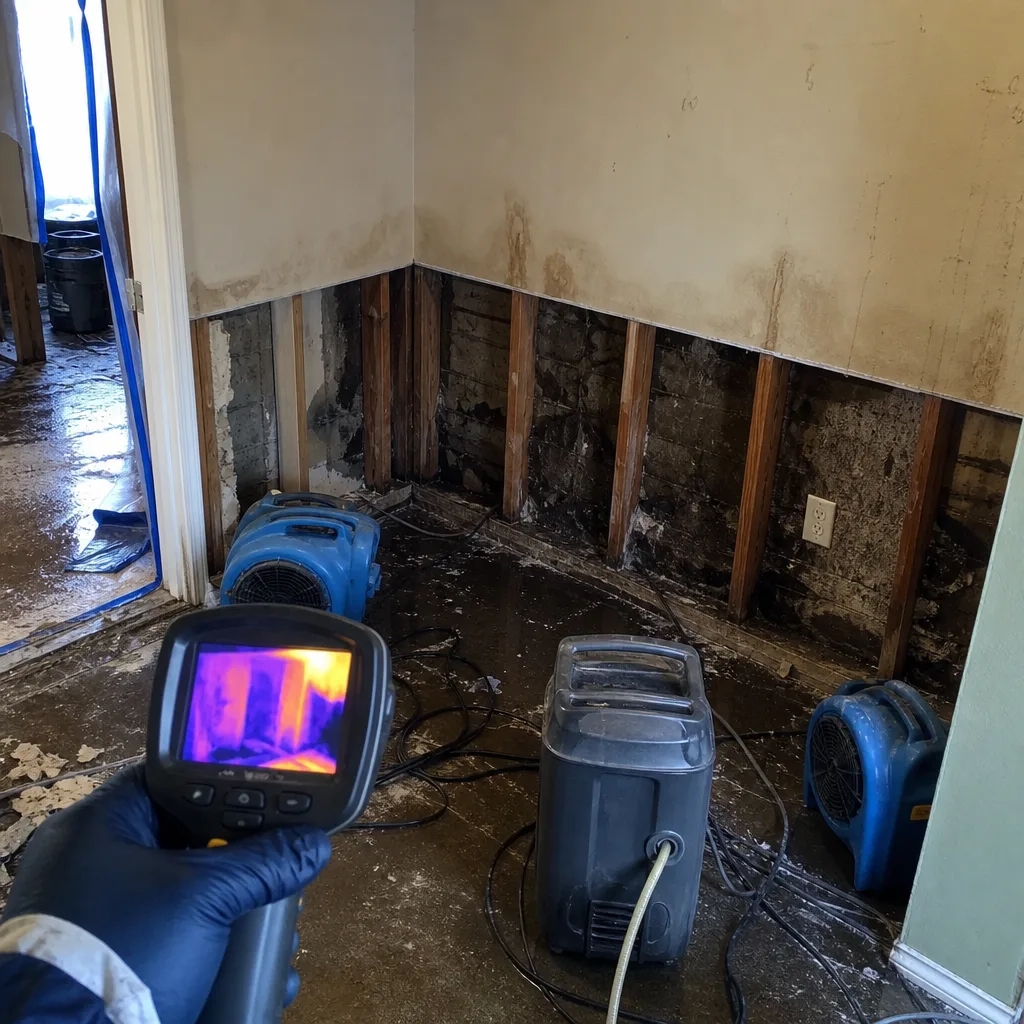
The second factor is thermal load. From June through September, Henderson attic temperatures routinely reach 140°F. When a roof leak occurs during this period, the heat drives moisture downward through insulation faster than in cooler climates, creating secondary damage in ceiling drywall that appears unrelated to the original entry point. A standard moisture meter reading at the leak location might show saturation, while readings three feet away - where the real damage is brewing - read normal without thermal imaging.
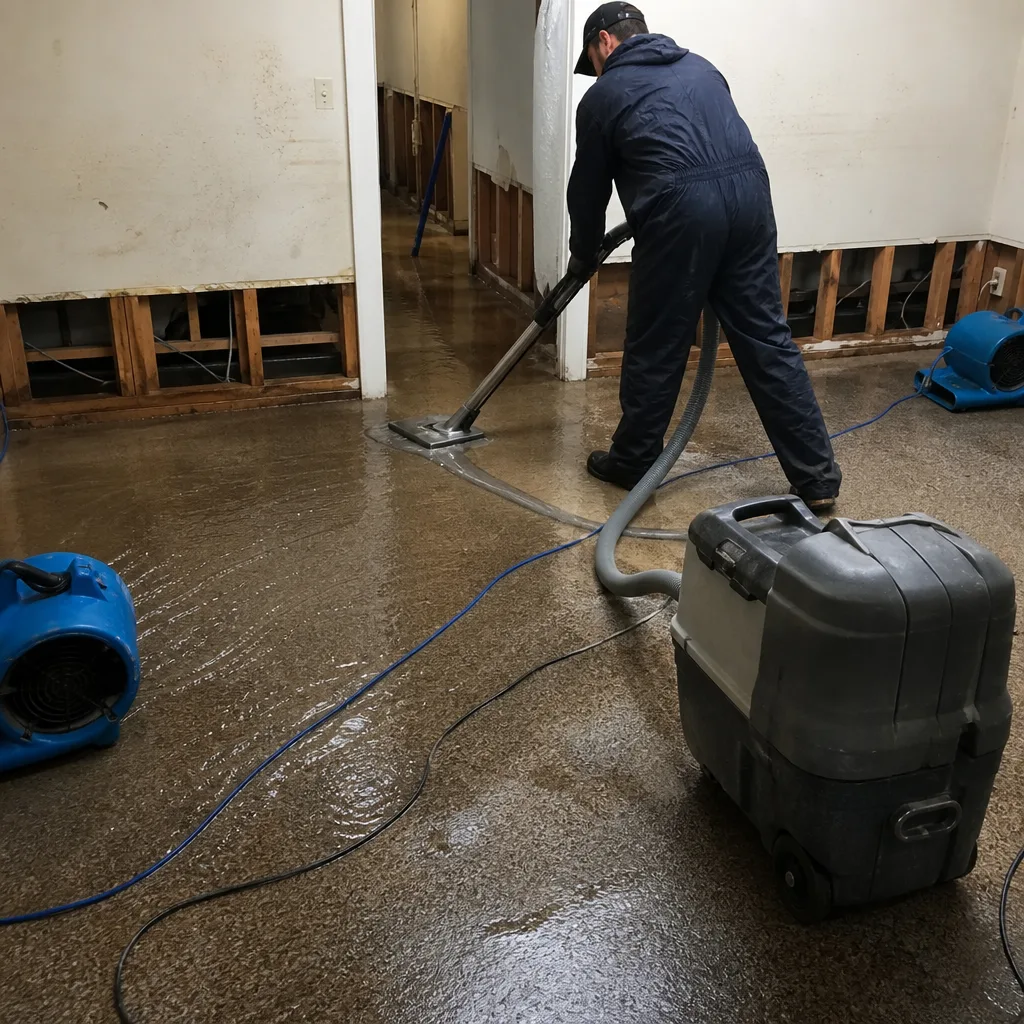
The third is monsoon pattern. Henderson’s July-September flash flood events deposit water through foundation vents and window wells with sediment loads that clog standard extraction equipment. In the Foothills and around the Pittman Wash, we’ve documented jobs where the initial water volume was modest - 200-400 gallons - but the silt load required full subfloor removal because particle size prevented adequate extraction through standard wand tools.
These three factors mean Henderson restoration requires:
- Hard-water-specific cleaning agents for salvageable surfaces
- Thermal imaging as standard protocol, not an add-on
- Pre-filtering systems on extraction equipment for flood events
- Extended drying schedules in attic spaces during summer months
A national franchise playbook that doesn’t account for these variables will produce incomplete drying documentation - and that’s where claims fail.
The Documentation Chain That Decides Your Claim
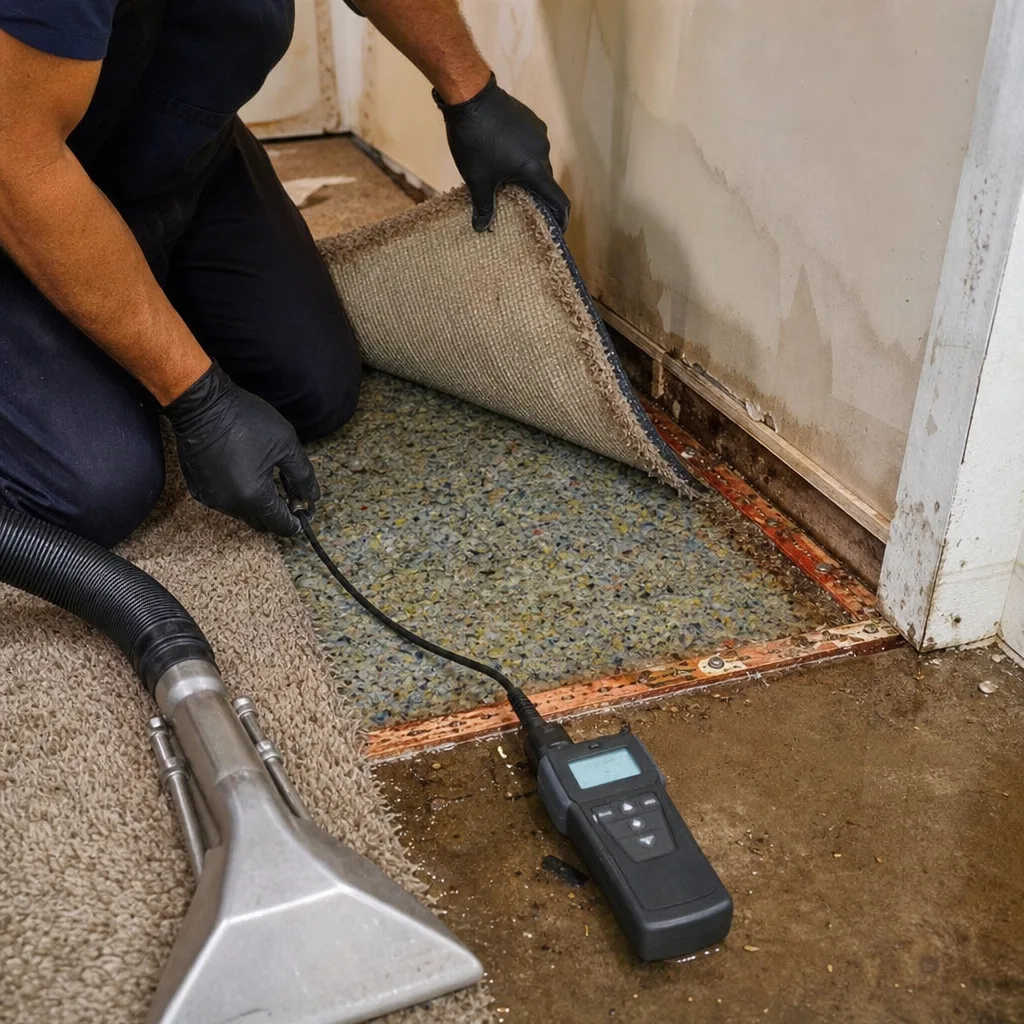
Every restoration invoice an insurer pays rests on four documents. Miss one, and the adjuster has grounds to dispute the entire scope. Here’s what the chain looks like, and why each link matters.
1. Initial Moisture Assessment with Psychrometric Data
Psychrometrics is the study of air and moisture relationships - temperature, relative humidity, and vapor pressure. On day one, we record ambient conditions in every affected room and establish drying goals using the specific humidity differential between wet and dry materials. In Henderson, where outdoor relative humidity can swing from 8% to 65% during a monsoon event, these baseline readings prove that equipment was sized correctly for actual conditions, not theoretical ones.
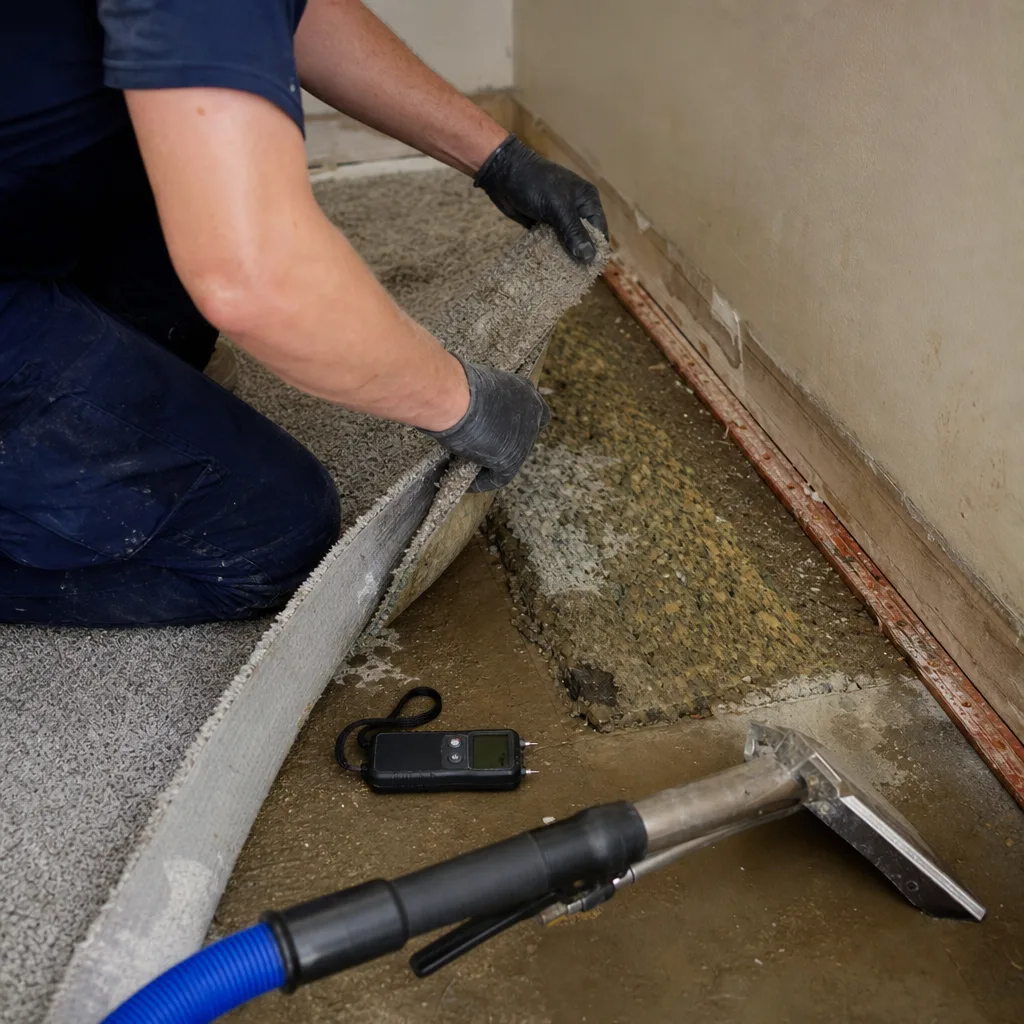
The initial assessment includes moisture content readings for every material classification: wood framing (target below 16%), drywall (below 1% above normal for that structure), concrete subfloors (below 4.5% for flooring installation), and insulation (varies by type, documented by trade name). Each reading gets a photo with timestamp and location notation.
2. Daily Drying Logs
This is where most claims founder. A daily drying log records equipment type, serial number, placement, and the psychrometric readings at each device location, every 24 hours. It shows progression: moisture content dropping from 85% to 45% to 12% over five days, with corresponding humidity ratio adjustments. Without this log, an insurer cannot verify that drying occurred as billed - that the five air movers and two dehumidifiers were actually necessary for the duration charged.
Under The Haven Standard, our daily logs include vapor pressure differential calculations - the force that actually drives moisture from wet materials into the dry air stream. This is the technical standard that separates documented drying from equipment rental with guesswork.
3. Photo Record with Timestamps
Every visit generates photos: wide shots showing room context, close-ups of moisture meter readings with the display visible, equipment placement with serial numbers legible, and material removal showing the extent of hidden damage. These photos are not for marketing. They’re evidence that the scope of work matched the invoice line items. An insurer can deny a $3,200 subfloor replacement if there’s no photo proving the plywood was delaminated.
4. Written Scope and Signed Completion
The scope is the contract: line-item work, line-item pricing, signed before any work begins. Haven Standard, Clause 1. The completion certificate confirms all scope items were executed, all moisture goals met, and all documentation delivered. Nothing is verbal. Nothing is implied.
Mitigation vs. Remediation: The Costly Confusion
These terms appear interchangeably on competitor websites and in homeowner conversations, but they describe different scopes with different pricing structures - and conflating them on a written estimate can add thousands to your out-of-pocket costs.
Mitigation is emergency stabilization: water extraction, drying, board-up, temporary power, initial deodorization. It’s billed at time-and-materials rates with equipment daily charges. Mitigation stops damage from spreading. It does not return the property to finished condition.
Remediation is the correction of the underlying problem: mold colony removal, smoke residue decontamination, sewage-impacted material disposal, structural drying to specified standards. Remediation addresses the contamination or damage source.
Reconstruction is what follows: drywall replacement, flooring installation, painting, fixture reinstallation. This is construction work, billed by square footage or fixed contract, with permits and inspections.
Where homeowners in Henderson lose money is when a contractor bundles all three phases into a single “restoration” estimate without itemization. An insurer may pay mitigation at 100% as covered loss, cover remediation at 80% with depreciation, and classify reconstruction as a separate claim with a different deductible. If your estimate doesn’t separate these phases, you can’t verify what the insurer actually owes versus what you’re being asked to pay.
We’ve reviewed competitor estimates from Seven Hills and Lake Las Vegas where a $14,000 “water damage restoration” line item contained $4,200 of mitigation, $3,800 of remediation, and $6,000 of reconstruction - with no breakdown. The homeowner paid a $2,500 deductible on the full amount when the insurer only applied it to the mitigation portion. Haven Standard, Clause 1 exists precisely to prevent this: every phase itemized, every price written before work starts.
Clark County Permits and Insurance Timelines
Clark County’s Building Department requires permits for any reconstruction involving structural elements, electrical, plumbing, or HVAC modifications - which covers most post-mitigation rebuild work. See Damage Restoration Permits, Codes & Inspections in NV: What You Need to Know for full details. The permit timeline doesn’t pause for insurance approval, and contractors who skip permits to speed up the process create two problems: uninsurable work and potential claim denial for code violation.
Here’s how the timeline actually works in Henderson:
- Emergency mitigation proceeds immediately - no permit required for extraction, drying, or temporary stabilization. This is where water damage restoration in Henderson begins.
- Damage assessment produces the written scope, which must identify permit-triggering work before reconstruction starts.
- Permit application submits concurrently with insurance documentation - the two processes run parallel, not sequential.
- Insurance approval for reconstruction funds typically takes 5-10 business days for standard claims, longer for disputed scopes.
- Permit issuance takes 3-7 business days for standard residential work in Clark County, with same-day available for some emergency repairs.
- Reconstruction cannot begin until both permit and funding are confirmed. Starting without either voids warranty coverage and insurance protection.
The critical point: a contractor who begins reconstruction “while waiting for the permit” is performing unpermitted work. If that work fails inspection, the insurer can deny the reconstruction portion of the claim as improperly executed. We’ve inherited jobs in Green Valley where the previous contractor installed drywall over wet framing to “beat the insurance deadline” - the mold remediation that followed was entirely out-of-pocket because the original work was undocumented and unpermitted.
For fire and smoke damage restoration in Henderson, the permit complexity increases: electrical panel replacement, HVAC ductwork cleaning or replacement, and structural member repair all trigger separate permit categories with different inspection schedules. A written scope that doesn’t identify these permit paths upfront will miss timeline dependencies that delay reoccupancy by weeks.
Equipment, Standards, and What the Logs Actually Show
The equipment deployed on a Henderson job must match the documentation standard the claim requires. We use professional-grade drying systems from Dri-Eaz, Phoenix, and XPOWER - not because brand names impress insurers, but because these manufacturers provide the psychrometric software that generates the drying logs adjusters expect to see.
Here’s what each device contributes to the documentation chain:
- Refrigerant dehumidifiers (Dri-Eaz/Phoenix): Remove moisture from air streams and produce condensate readings that verify water removal volume. The log shows pints per day extracted, matched against moisture content drop in materials.
- Low-grain refrigerant (LGR) units: Operate effectively below 40 grains per pound - essential in Henderson’s dry climate where standard units would short-cycle. The log documents grain depression, proving the unit was appropriate for conditions.
- Air movers (XPOWER/B-Air): Create vapor pressure differential across wet surfaces. Placement maps in the documentation show count and positioning relative to moisture readings.
- Injectidry systems: Direct dry air into wall cavities through minimal invasive access. The photo record shows injection points, and the log documents cavity moisture reduction separately from ambient readings.
All work is documented to IICRC (Institute of Inspection, Cleaning and Restoration Certification), RIA (Restoration Industry Association), and IFA (Indoor Air Quality Association) standards. These aren’t memberships - they’re protocols for how moisture is measured, how drying progress is calculated, and how completion is determined. An adjuster trained in these standards can verify your documentation in minutes. Without standard-compliant logs, verification becomes negotiation, and negotiation delays payment.
Tertiary drying - the final phase where materials approach equilibrium moisture content - is where Henderson’s heat creates unique challenges. Attic spaces in July may read “dry” by standard metrics but reabsorb moisture from nighttime temperature swings. Our logs extend monitoring 24-48 hours beyond apparent completion in summer months, with the extended data included as standard documentation.
What Your Completed Restoration File Should Contain
Before you sign any certificate of completion, verify that your file contains every document that could be requested in a future dispute, sale, or secondary claim. Here’s the checklist we provide every Henderson homeowner:
- Initial assessment: Moisture readings by room, material type, and location; psychrometric baseline; thermal imaging report if applicable; photo record with timestamps.
- Written scope and pricing: Line-item work description, line-item cost, signed by both parties before work began. Haven Standard, Clause 1.
- Daily drying logs: Equipment inventory with serial numbers, placement maps, psychrometric readings at each location, moisture content progression by material, vapor pressure calculations.
- Photo documentation: Wide shots, detail shots, meter displays, equipment placement, material removal, pre-reconstruction condition, post-reconstruction condition. Minimum 30-50 images for a standard residential water loss.
- Permit documentation: Application copies, approval notices, inspection records with sign-off dates, final certificate of occupancy or equivalent.
- Material invoices: Receipts for replacement materials with quantities matching scope line items.
- Warranty documentation: 365-Day Done Right Promise under The Haven Standard, with specific coverage terms and claim procedure.
- Insurance correspondence: Adjuster reports, claim numbers, approval letters, payment records, any supplemental claims.
A complete file takes 2-3 hours to assemble for a standard job. We deliver it as both physical binder and encrypted digital archive. In Henderson’s active real estate market - where a home may sell within two years of restoration - this file becomes a disclosure asset that protects against future liability. We’ve provided completed files to homeowners in Cadence and Whitney Ranch who needed to prove that a prior mold remediation in Henderson was properly executed, not merely “handled.”
Common Mistakes to Avoid
- Accepting verbal estimates. Every restoration scope in Henderson should be written, line-itemed, and signed before work starts. Verbal pricing disappears when disputes arise, and Nevada’s contractor board won’t enforce promises without written documentation.
- Skipping the moisture log review. Homeowners often sign completion certificates without requesting the daily drying logs. These logs prove the work was necessary and properly executed. Ask for them by name.
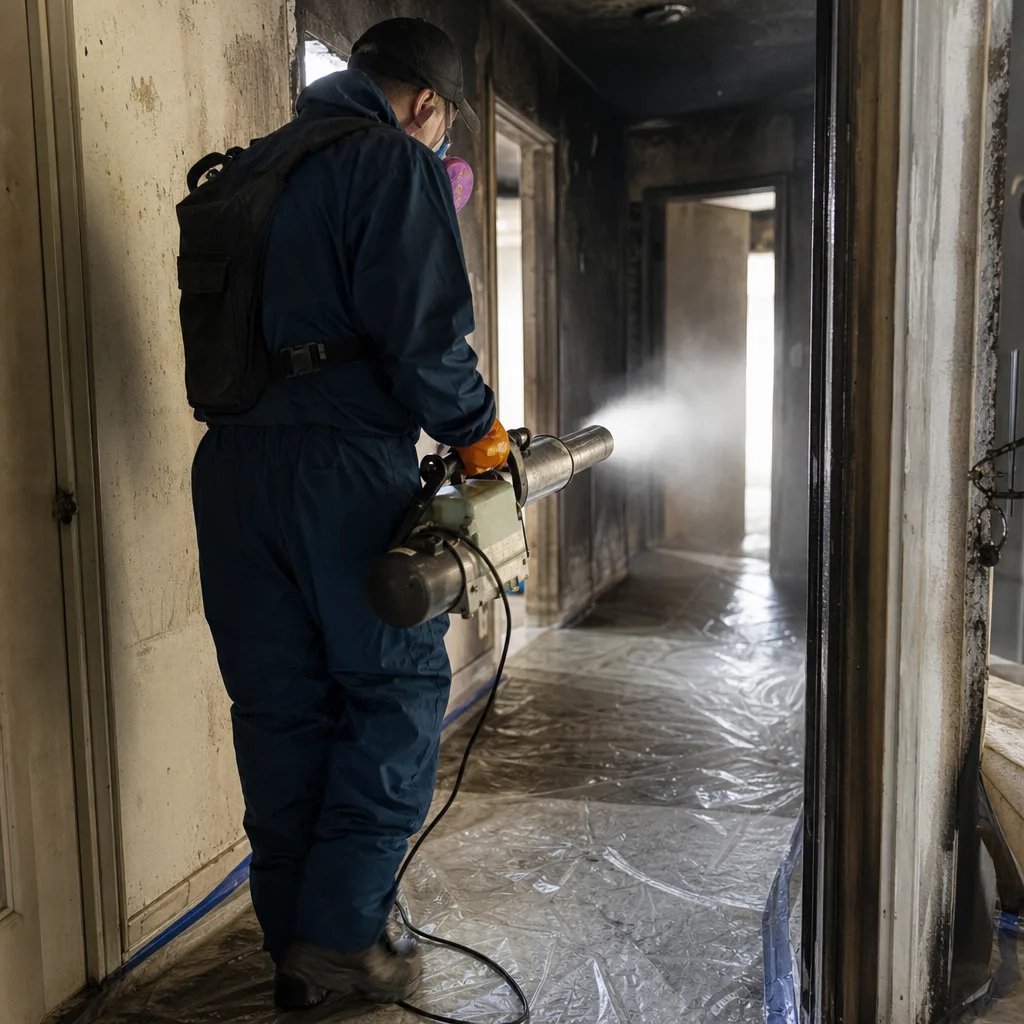
- Confusing cleaning with remediation. A carpet cleaning removes visible staining; mold remediation removes the contamination source and verifies clearance through air sampling. In Henderson’s heat, surface cleaning without source removal guarantees recurrence within one cooling season.
- Permit avoidance by contractors. Unpermitted reconstruction in Clark County triggers disclosure requirements on sale and voids insurance coverage for subsequent damage. Verify permit numbers with the county before paying final invoices.
- Equipment removal before documentation. Some contractors pull drying equipment as soon as surfaces feel dry, before moisture readings confirm equilibrium. Insist on documented readings below target before authorizing equipment removal.
- Neglecting the warranty terms. The 365-Day Done Right Promise under The Haven Standard covers workmanship defects, not new damage events. Understand what’s covered, the claim procedure, and the response timeline before signing completion.
- Mixing insurance and out-of-pocket payments without itemization. When both funding sources apply to the same job, every line item must be assigned to one source. Undocumented mixing creates tax complications and claim disputes.
When to Call a Professional
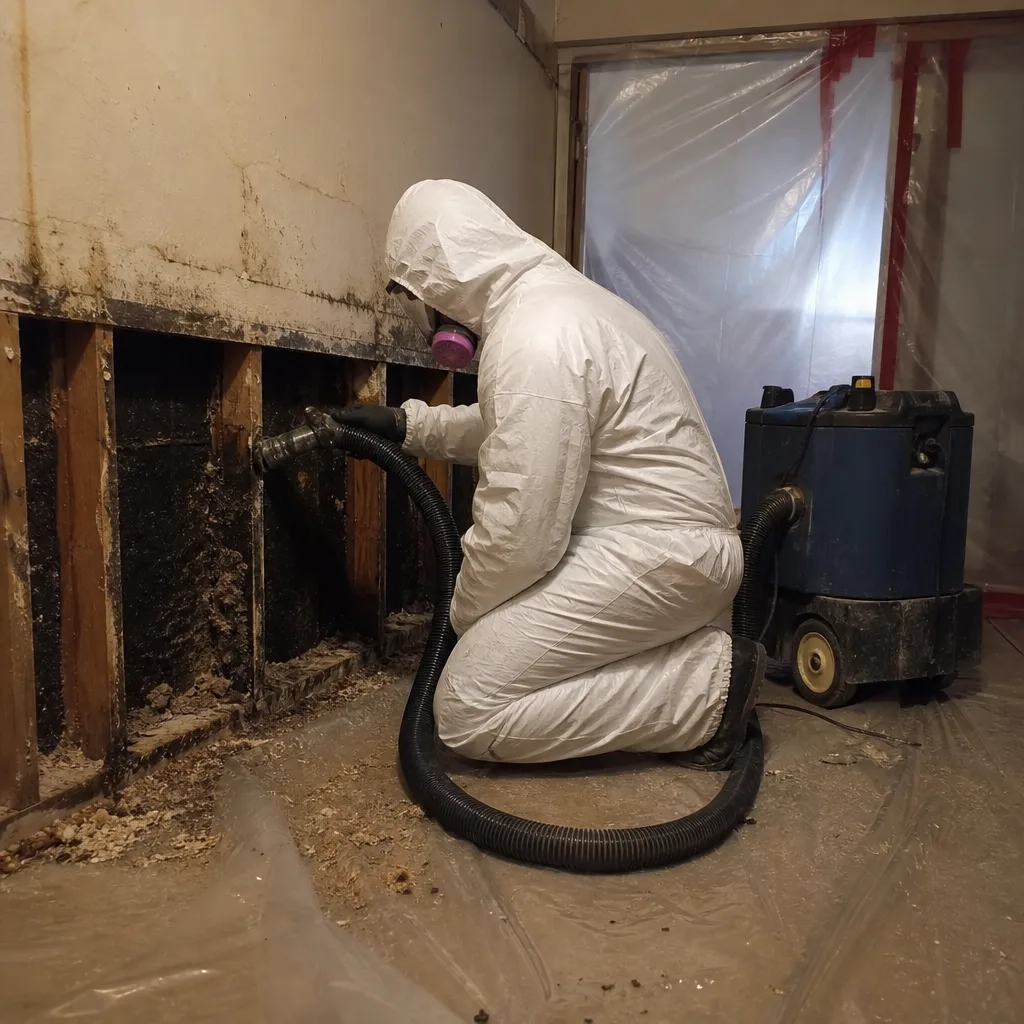
Call for professional assessment when water has affected more than a single small room, when mold is visible or suspected, when fire or smoke damage has occurred regardless of apparent severity, or when sewage or biohazard contamination is present. In Henderson’s climate, water damage left unaddressed for 48 hours in summer conditions will generate mold growth in wall cavities - the point where mitigation costs triple and insurance coverage becomes contested.
Specific scenarios requiring immediate professional documentation: burst supply lines in homes with polybutylene piping (common in Henderson builds from 1985-1995), monsoon flooding with sediment intrusion, fire suppression system discharge with chemical residue, and any damage affecting electrical panels or HVAC systems. Each of these triggers permit requirements and insurance protocols that homeowners cannot self-document to claim standards.
DryMark Restoration Henderson offers free estimates in Henderson - call (725) 696-9449. Every estimate includes a preliminary moisture assessment, a written scope with line-item pricing before any work begins, and a clear statement of what documentation you’ll receive. Haven Standard, Clause 1 applies to every call.
Frequently Asked Questions
Water damage mitigation in Henderson typically ranges from $1,200 for limited extraction and drying of a single room to $8,500+ for whole-house drying with hardwood floor rescue and content manipulation. For a complete breakdown, see our Damage Restoration Cost Breakdown: The Henderson Homeowner’s Reference for 2026. Mold remediation runs $15-$30 per square foot of affected area, with containment and air filtration adding $800-$1,500 per contained zone. Fire and smoke restoration starts around $3,500 for light soot cleaning and deodorization, extending to $25,000+ for structural reconstruction with code upgrades. Reconstruction is priced separately by trade - electrical, plumbing, drywall, flooring - with permits and inspections itemized. Call (725) 696-9449 for an exact quote - estimates are free, and Haven Standard, Clause 1 guarantees your written price before work starts.
Insurance coverage depends on your policy type, cause of loss, and documentation quality. Standard HO-3 policies cover sudden and accidental water damage but exclude gradual leaks, flood (requiring separate NFIP coverage), and damage from deferred maintenance. The adjuster’s payment is limited by your coverage limits, deductible, and the quality of documentation you provide - which is why the daily drying logs and photo record matter. We coordinate directly with adjusters and provide the structured documentation that supports full scope approval. Call (725) 696-9449 to discuss your specific policy and damage scenario.
Our live dispatch answers every call 24 hours a day, 7 days a week - no voicemail, no next-business-day callback while water is still moving. Emergency mitigation crews in Henderson typically arrive within 60-90 minutes for water and fire damage, 2-4 hours for mold and biohazard where immediate containment is required but life safety is not at risk. Response time varies by location: Green Valley and Anthem are within our standard dispatch radius; MacDonald Highlands and the Foothills may add 15-20 minutes. Reconstruction scheduling is separate - scoped, permitted, and scheduled in writing, not dispatched as emergency response.
Visible mold growth exceeding 10 square feet, mold resulting from water damage, or any mold in HVAC systems requires professional remediation per IICRC S520 standards, not cleaning. “Cleaning” without source removal and clearance verification leaves viable spores that regrow in Henderson’s heat, often within 30 days. Remediation includes containment, negative air pressure, source removal, and post-remediation verification through air sampling or surface testing. We provide free second opinions on competitor remediation scopes - bring any written estimate and we’ll review the protocol against IICRC standards at no charge.
We document every job to insurance submission standards and coordinate directly with your adjuster on scope approval, supplemental claims, and payment timing. You remain the policyholder - all approvals and payments flow through you - but we handle the technical documentation that adjusters need to authorize payment. This includes moisture logs, photo records, material invoices, and permit documentation. Our origin as a claims-adjuster-founded company means we speak the same documentation language as your insurer, which reduces dispute cycles and payment delays.
A free estimate is our initial assessment of your damage with a written scope and pricing - no competitor document required. A free second opinion is our review of any competitor’s written estimate: we evaluate the scope for completeness, identify missing documentation requirements, flag permit issues, and assess pricing against market rates. Both are provided at no charge under The Haven Standard. The second opinion exists because we’ve seen Henderson homeowners accept incomplete scopes that generated $5,000-$15,000 in uncovered costs later. Bring any written estimate - we’ll review it against what the documentation standard actually requires.
The Bottom Line
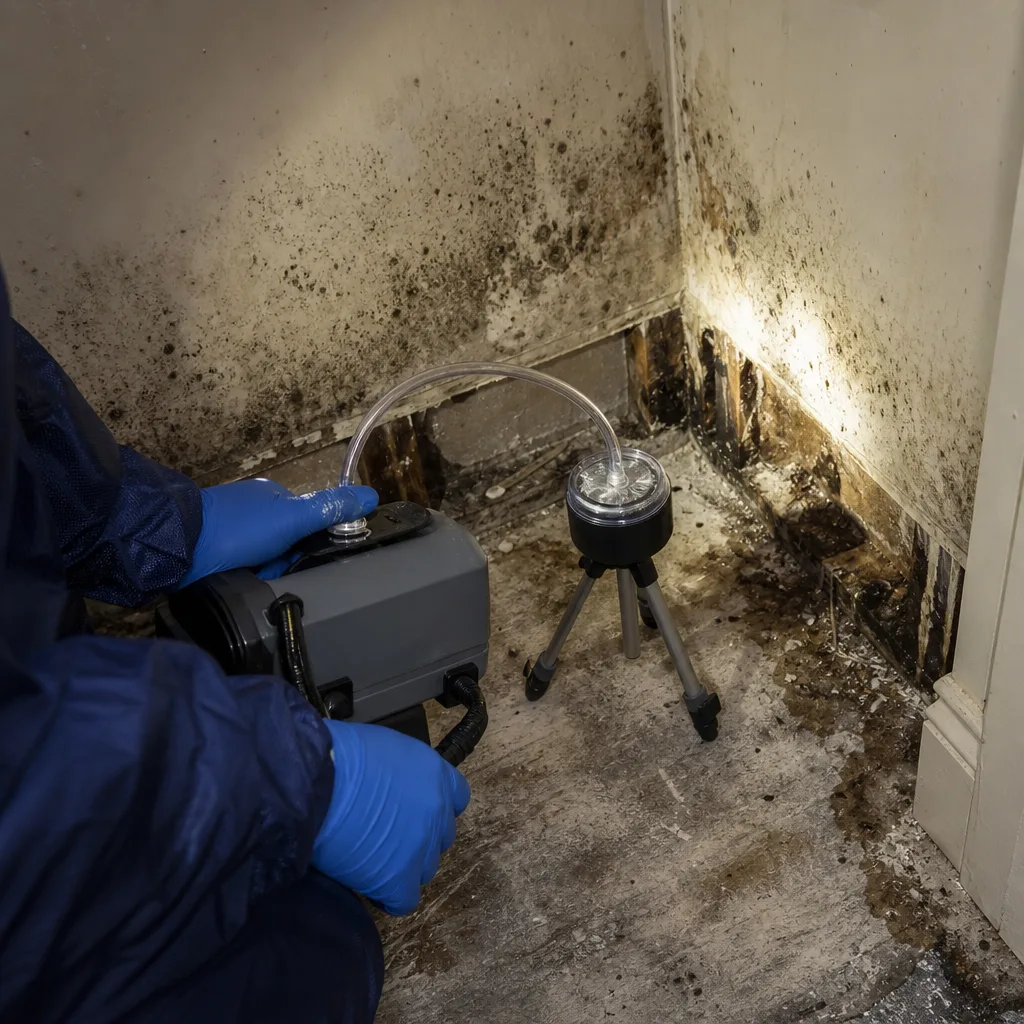
Restoration in Henderson is not a repair event - it’s a documentation process with construction attached. The insurer’s decision to pay or deny rests on moisture logs, photo timestamps, written scopes, and permit compliance, not on the quality of the finished paint. Henderson’s hard water, extreme heat, and monsoon flooding create damage patterns that national playbooks miss, and Clark County’s permit requirements add timeline dependencies that unwritten promises cannot navigate. Before you sign any completion certificate, verify your file contains every document listed above. Explore more guides & resources on protecting your Henderson home. The 365-Day Done Right Promise under The Haven Standard covers workmanship, but it cannot reconstruct documentation that was never created.
Written by Alicia Brennan, Owner at DryMark Restoration Henderson, serving Henderson since 2011.