
Last updated September 23, 2026
Free visual inspection and a written scope of work before any mitigation begins - photos, moisture readings, and drying logs go in your claim file
The scope we write is the scope we bill. Anything new gets shown to you, in writing, before we touch it.
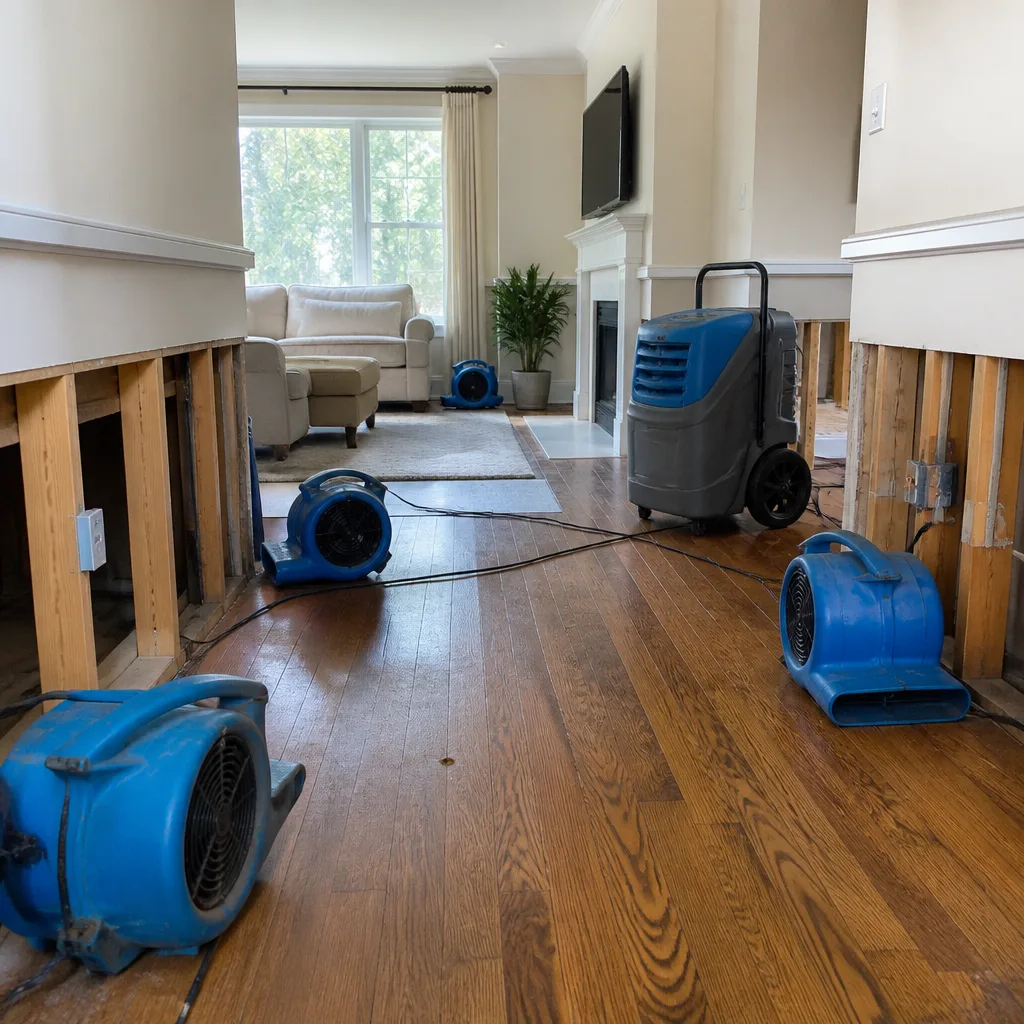
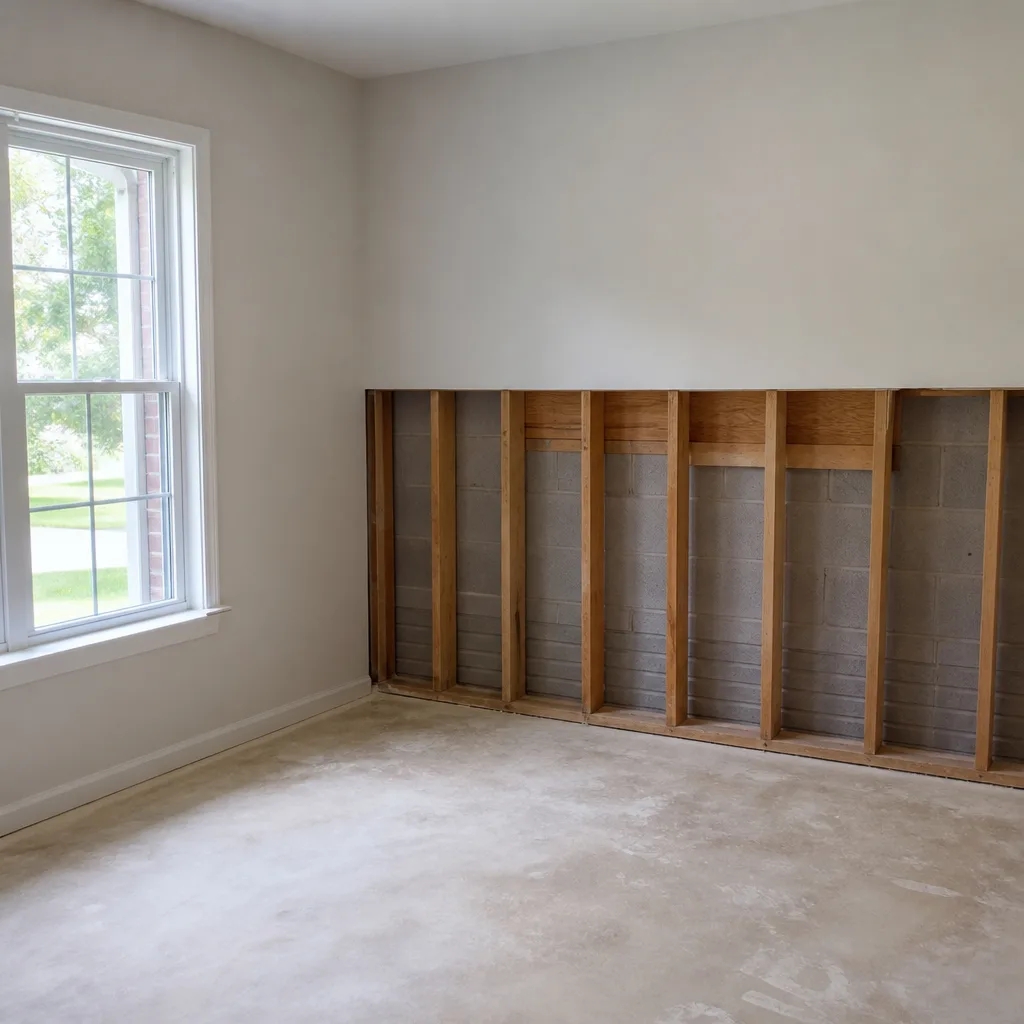
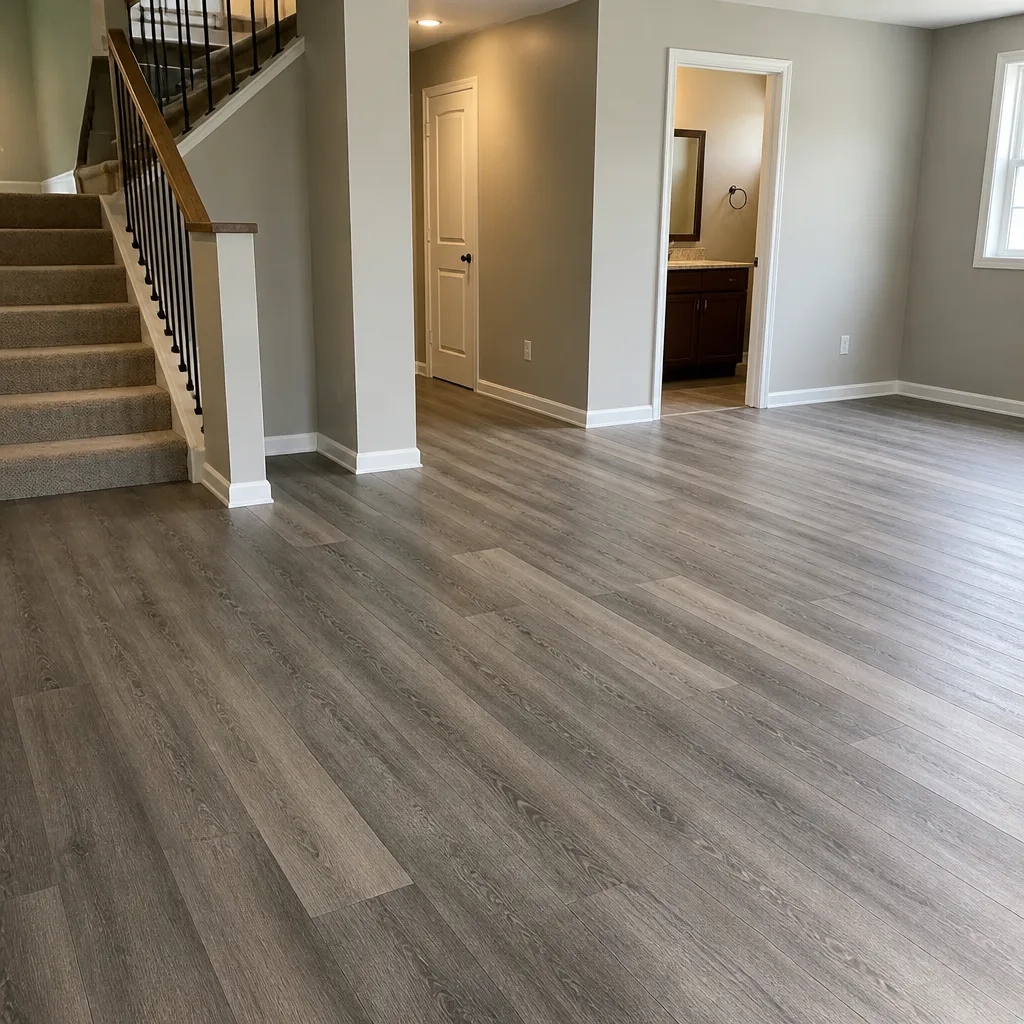
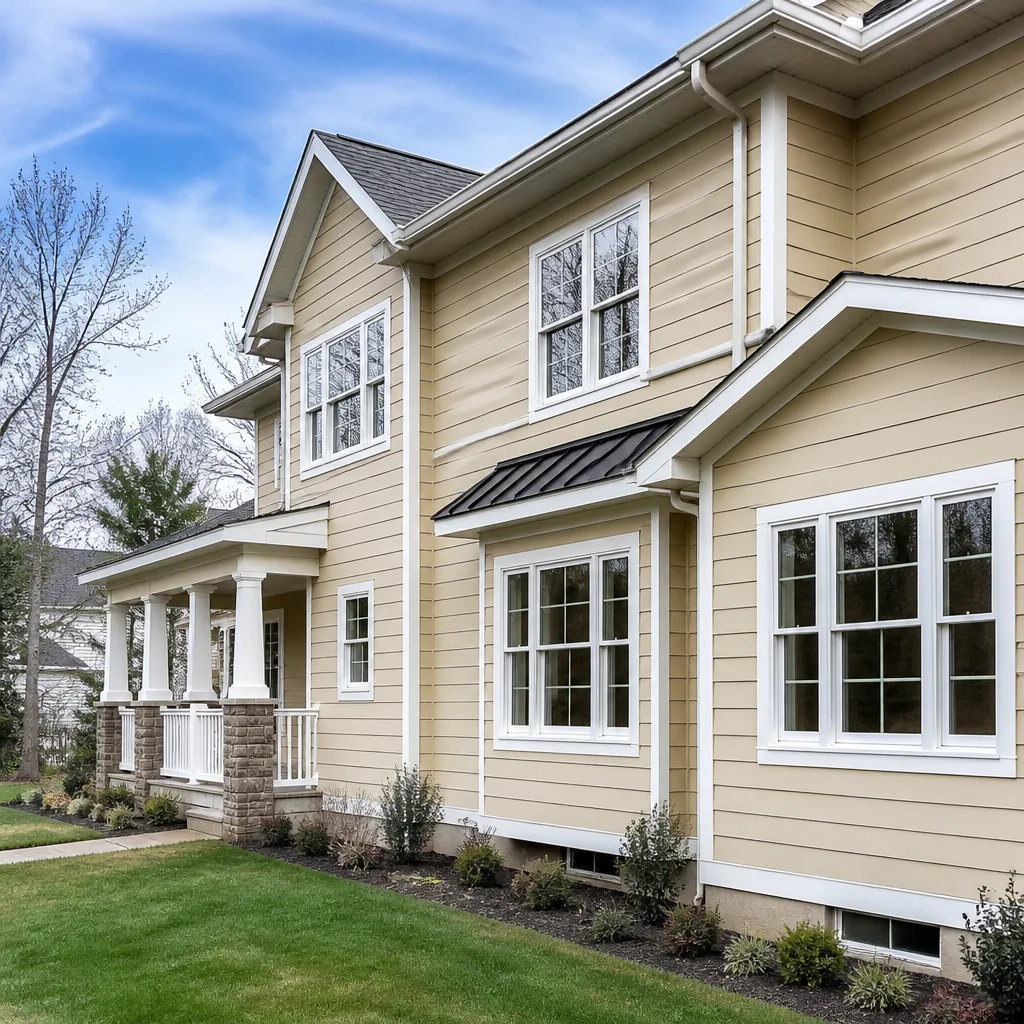
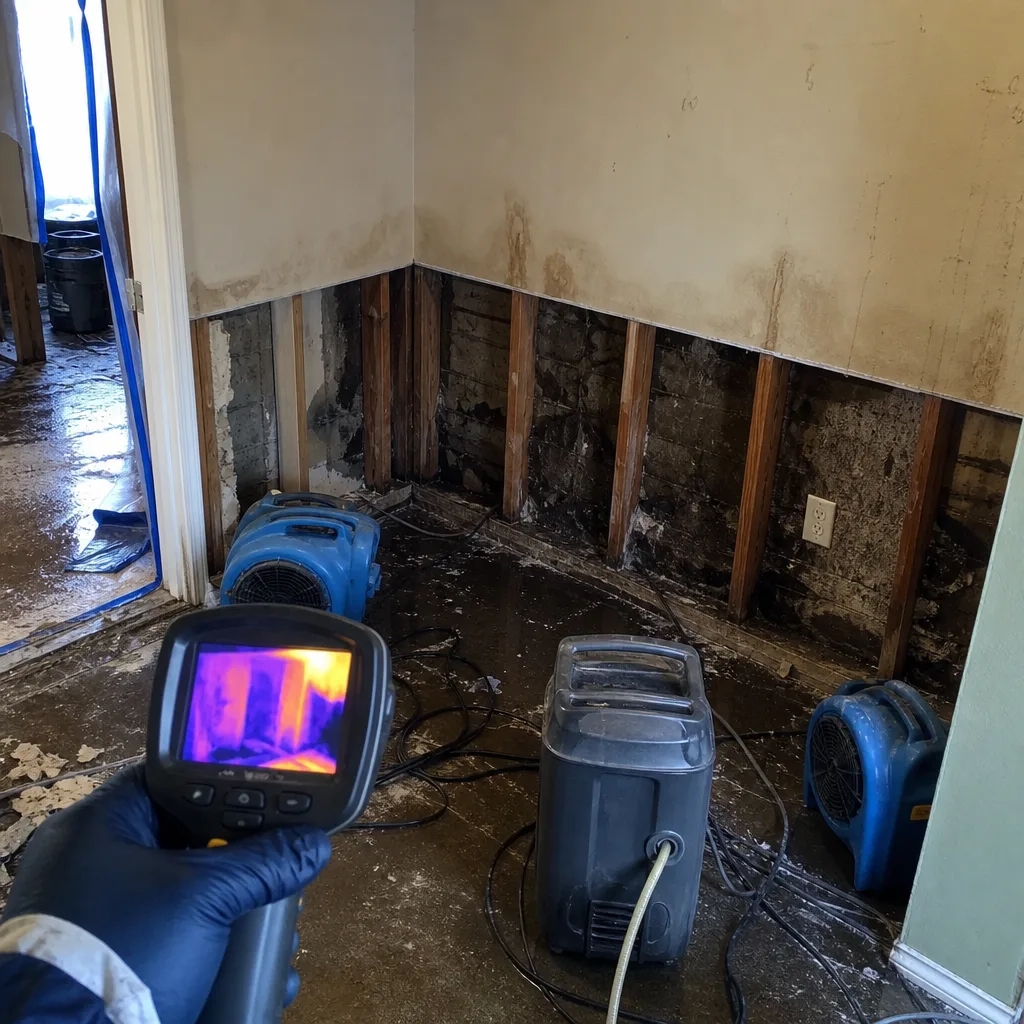 Before
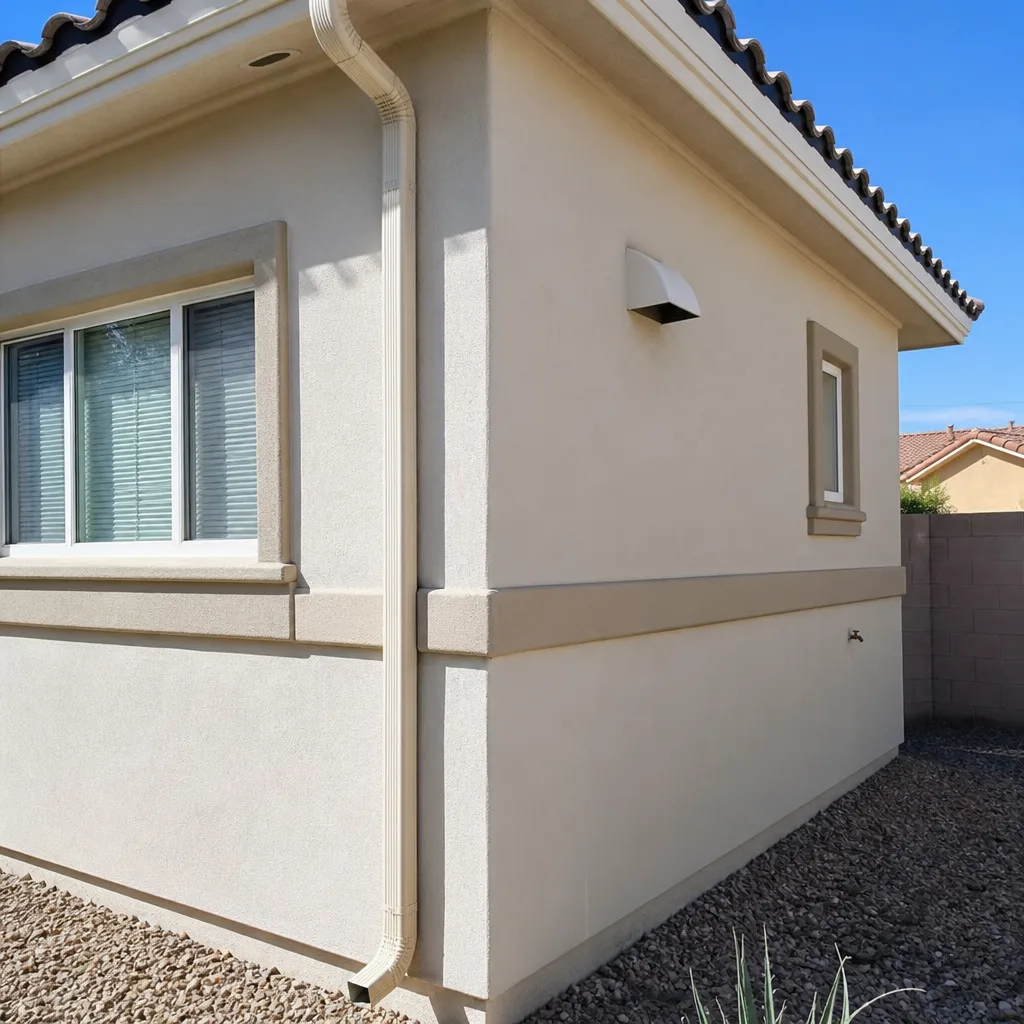 After
After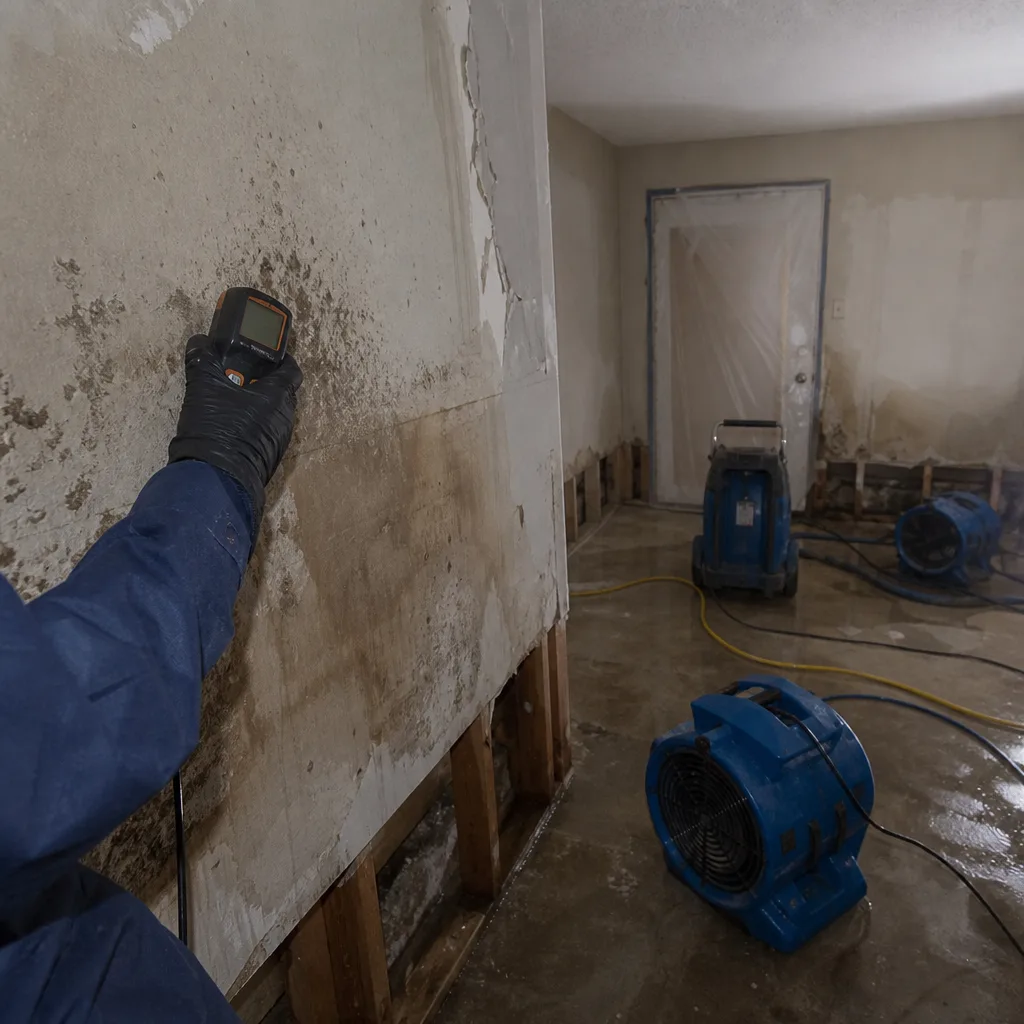 Before
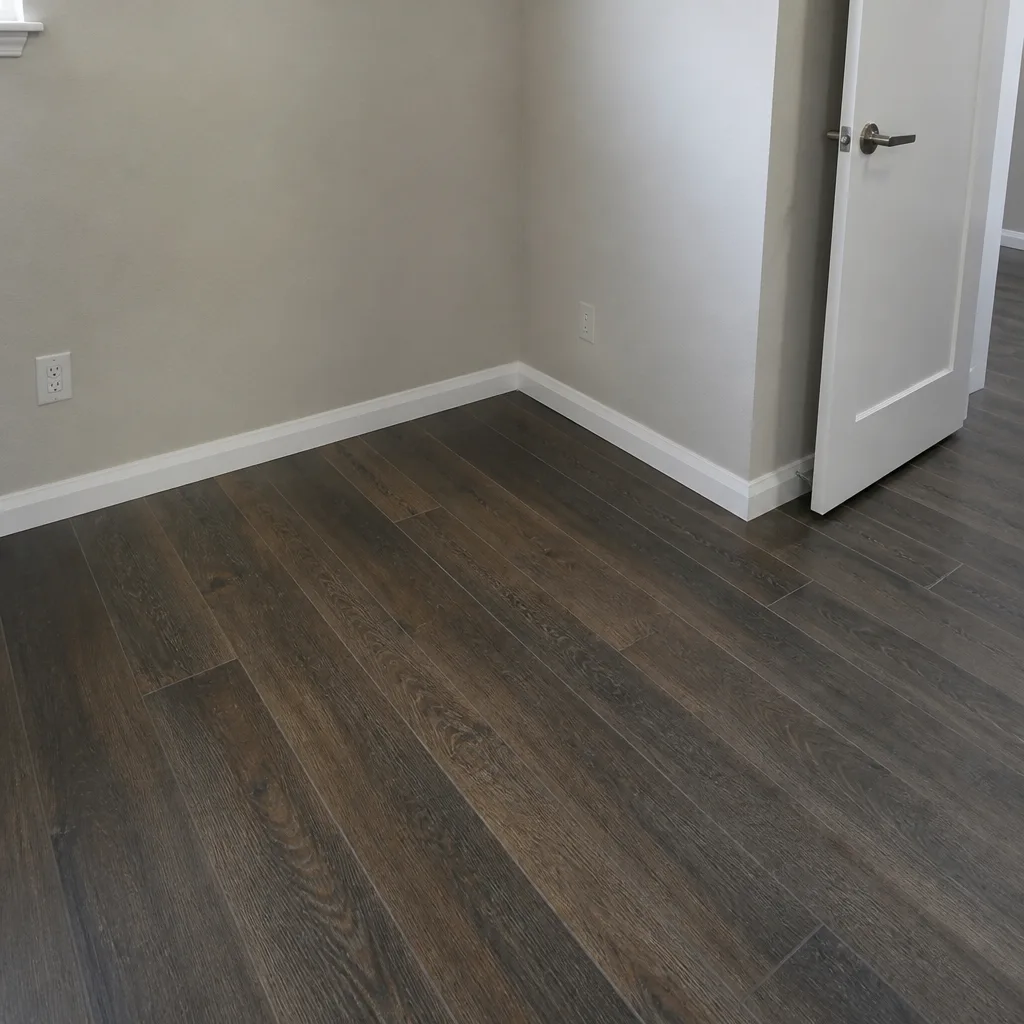 After
After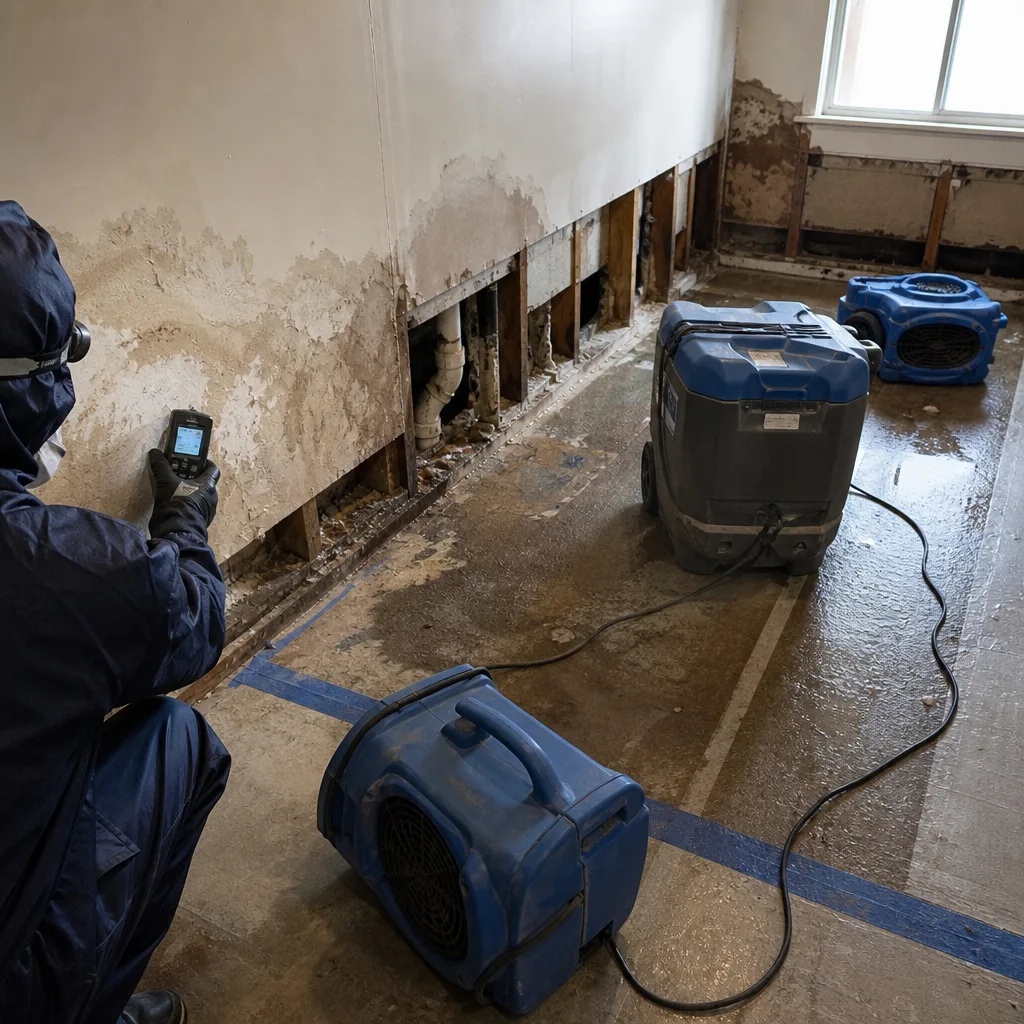 Before
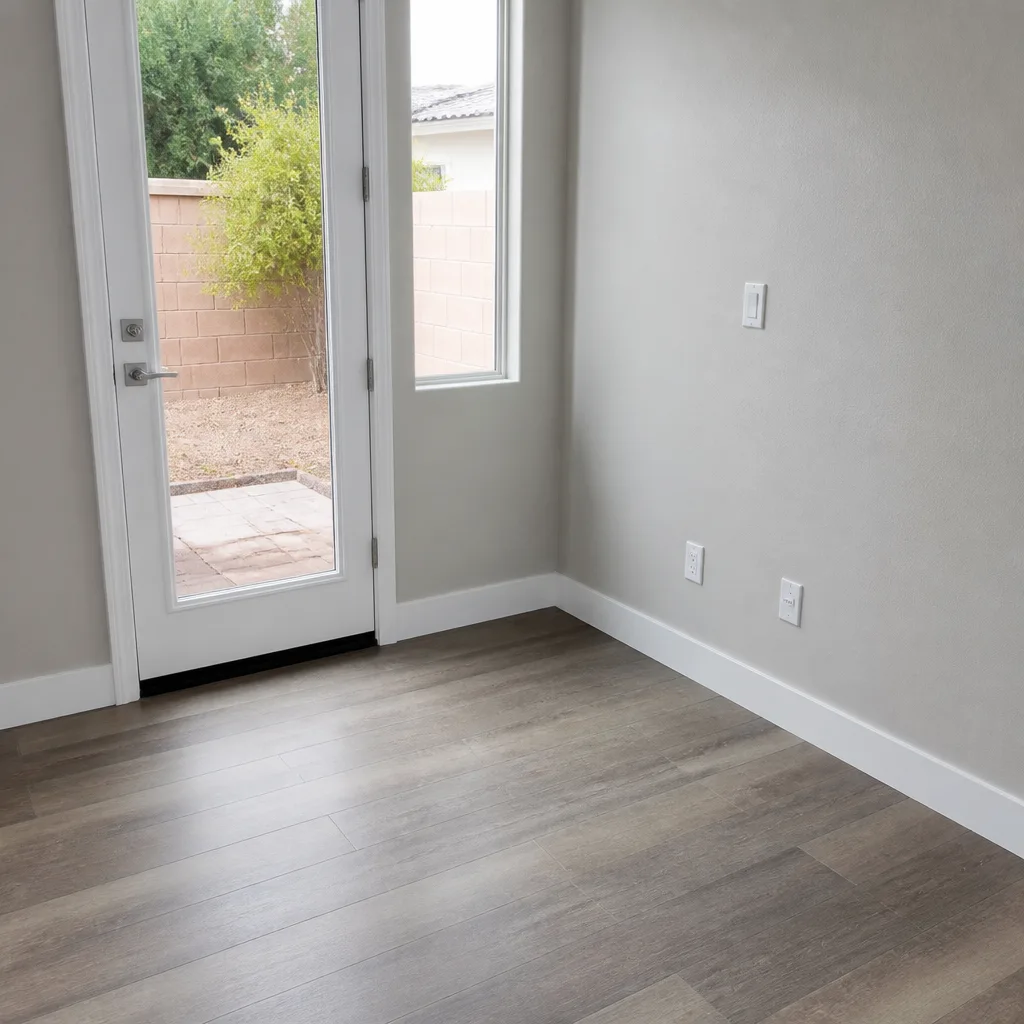 After
AfterDIY vs Professional Damage Restoration: The Henderson Homeowner’s Decision Guide
A Henderson homeowner who self-dries a Category 1 water loss with rental fans from Home Depot on Marks Street can legally do so. But the moment that work is undocumented, any future moisture problem in that area becomes uninsurable as a pre-existing condition. We’ve reviewed thousands of claim files since 2011, and the pattern is consistent: the DIY restoration that saved $800 in March becomes the $14,000 denied claim in November when mold appears behind the baseboard. This guide will show you exactly which losses you can handle yourself, which require professional documentation to protect your insurance coverage, and how Nevada’s disclosure laws turn an undocumented repair into a liability that survives your home sale. For How to Hire a Damage Restoration Contractor in Henderson: A Step-by-Step Guide, see our companion resource.
Quick Answer
DIY damage restoration is legally permissible for Category 1 clean-water losses under 150 square feet with no structural saturation, provided you document moisture readings, dated photos, and equipment rental receipts. For Category 2 gray water, Category 3 black water, any loss touching HVAC systems or exterior stucco, or any Henderson home you plan to sell within five years, professional restoration with written documentation is required to preserve insurance coverage and comply with Nevada’s mold disclosure statute.
Table of Contents
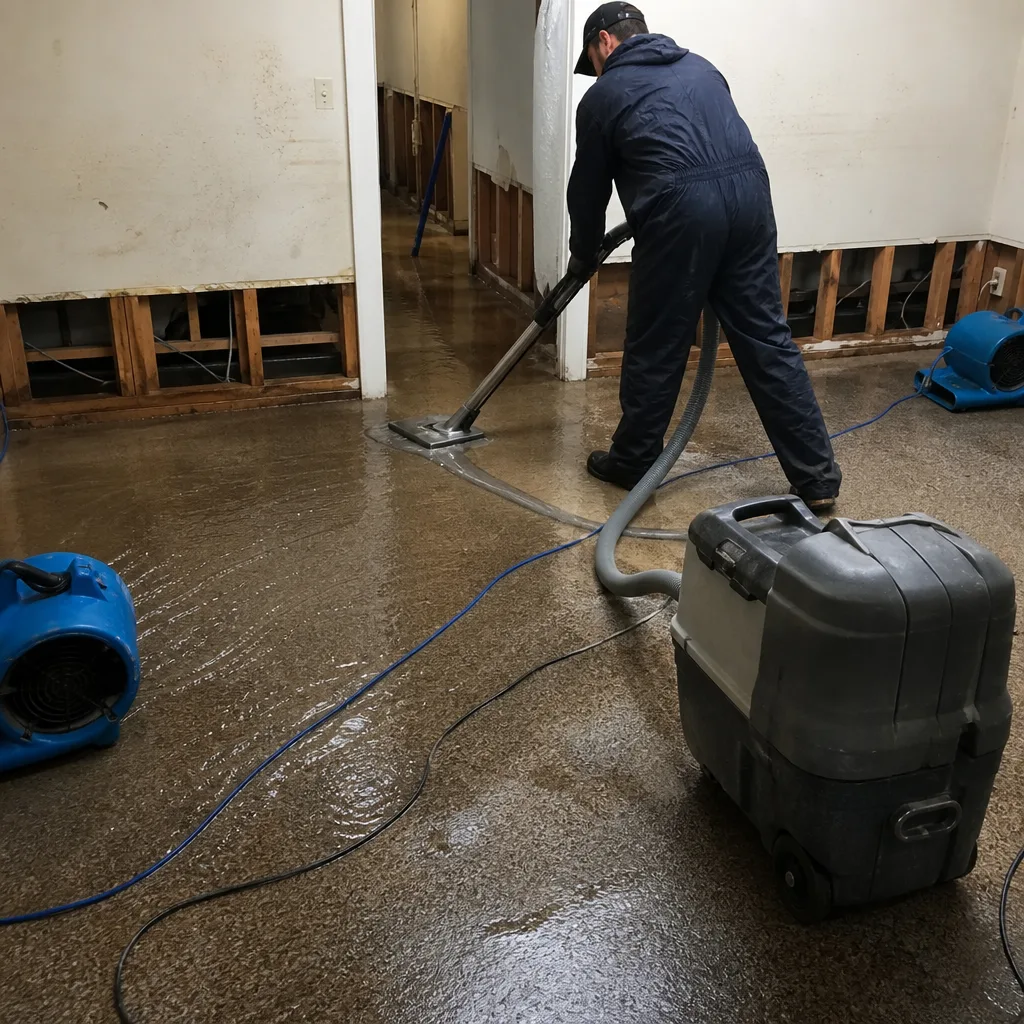
- The Three Water Categories: Your DIY Threshold
- The Documentation You Must Produce If You DIY
- How Henderson’s Climate Changes the Math
- Three DIY Scenarios That Cost More Than Professional Work
- The Partial DIY Approach: Content vs. Structure
- Nevada’s Mold Disclosure Law and Your Sale Liability
- What Rental Equipment Actually Delivers
- What Your Adjuster Needs to See
BeforeAfterThe Three Water Categories: Your DIY Threshold
Every water loss in Henderson falls into one of three categories defined by the IICRC S500 standard. The category determines your legal exposure, your insurance coverage, and whether DIY is a sound decision or a documented mistake.
Category 1: Clean Water
Source is a broken supply line, overflowing sink, or rainwater intrusion before it contacts soil. You can consider DIY if ALL of these conditions apply: the affected area is under 150 square feet, water has not saturated structural materials like subfloors or wall cavities, no HVAC ductwork is involved, and you can start drying within four hours. Even then, you need a moisture meter ($35-$80 at Lowe’s on Lake Mead Parkway), a thermal camera rental ($45/day), and the discipline to log readings every 24 hours until materials return to baseline.
The Nevada threshold: Category 1 degrades to Category 2 after 24-48 hours in Henderson’s climate. Our summer humidity averages 15-20%, but winter inversions can trap moisture in wall cavities for days. We’ve documented Category 1 losses in Green Valley Ranch that appeared dry to the touch but registered 18% moisture content in OSB subflooring three weeks later. That homeowner’s DIY drying became a $9,400 mold remediation when the spring humidity rose.
Category 2: Gray Water
Source contains chemical or biological contamination: dishwasher discharge, washing machine overflow, sump pump failure, or Category 1 that sat past 48 hours. DIY is not recommended. The IICRC requires antimicrobial treatment of all affected materials, and most Henderson homeowners’ insurance policies exclude mold resulting from untreated gray water. Your deductible is typically $1,000-$2,500; a professional Category 2 mitigation in Henderson runs $2,800-$5,200 for a standard kitchen or bathroom. The gap is narrow enough that risking coverage exclusion makes no financial sense.
Category 3: Black Water
Sewage backup, flooding from the Las Vegas Wash, or any water that has contacted ground soil. This is a hard professional-only line in Nevada. Category 3 carries bacterial loads including E. coli and enteric viruses, and Henderson’s clay-heavy soil adds unique contaminants from our desert varnish and caliche deposits. The City of Henderson requires permits for Category 3 remediation in most residential zones, and disposal must follow Clark County Health District protocols. DIY here exposes you to personal liability if a future occupant becomes ill, and no insurer will defend an unlicensed sewage cleanup.
| Category | DIY Permissible? | Henderson-Specific Risk | Typical Professional Cost |
|---|---|---|---|
| Category 1 (Clean) | Yes, with full documentation | Degrades to Cat 2 in 24-48 hrs; summer flash humidity | $1,200-$2,800 |
| Category 2 (Gray) | Not recommended | Insurance exclusion for untreated mold | $2,800-$5,200 |
| Category 3 (Black) | No | Clark County permit required; liability exposure | $5,500-$12,000+ |
The Documentation You Must Produce If You DIY
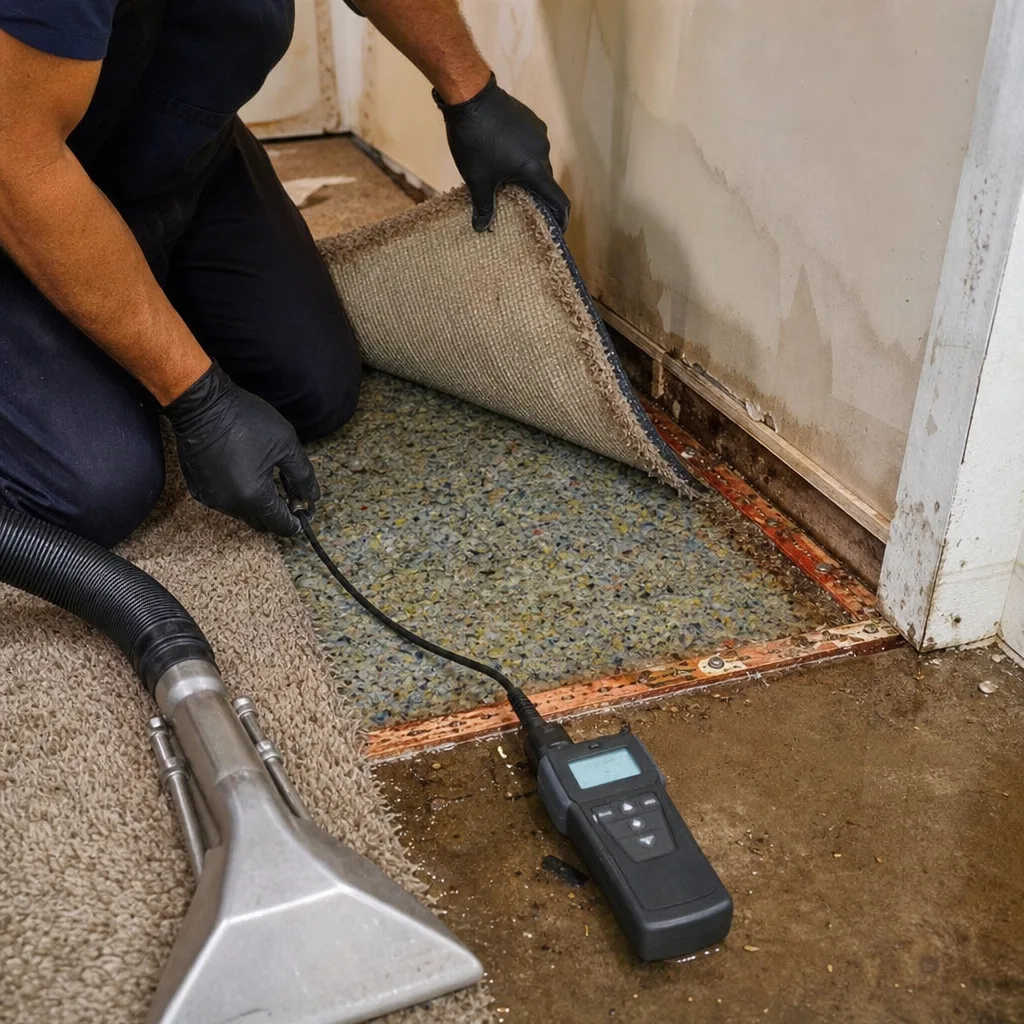
Here’s what most Henderson homeowners miss: your DIY restoration is not a private decision. It becomes evidence in your insurance file, your home’s maintenance history, and potentially a court record. If you DIY any portion of a loss, you must produce documentation that matches what a professional would deliver under IICRC standards.
- Moisture readings before drying begins. Use a pin-type meter on wood (target: under 16% moisture content) and a non-invasive meter on drywall (target: under 0.1% above baseline). Record the date, time, exact location, and meter model. We recommend the Delmhorst BD-210 or Protimeter Surveymaster, both available for rental at Sunbelt Rentals on Warm Springs Road.
- Dated photographs with metadata preserved. Not phone snapshots. Use your camera’s timestamp function, photograph each wall from floor to ceiling, capture baseboards and outlet heights where water wicks highest, and store originals in cloud backup. Print a contact sheet. This is your evidence that water did not reach structural cavities.
- Equipment rental receipts with serial numbers. Document the CFM rating of each fan (minimum 2,800 CFM for residential drying), the dehumidifier’s pint capacity (minimum 70 pints/day for Henderson’s evaporation rate), and the rental period. Keep the receipt that shows when equipment was on-site and when it was returned. Gap days are claim denials waiting to happen.
- Daily drying log with psychrometric data. Record temperature, relative humidity, and specific humidity at the start of each day. Calculate grains per pound using a psychrometric chart or app. This proves you maintained conditions that actually dried materials, not just moved air around. Professional crews using Phoenix 200 HT dehumidifiers and XPOWER X-4300 air movers log this data automatically; your handwritten log must match that rigor.
- Post-drying verification. Take final moisture readings 72 hours after equipment removal. If readings climb, drying failed. Document the failure and call a professional. Concealing rebound moisture is insurance fraud in Nevada if you later file a related claim.
Without these five documents, your DIY restoration has no legal standing. An adjuster reviewing a future claim will classify the area as “prior water damage, origin unknown” and deny coverage. We’ve seen this exact determination in Henderson’s Anthem and MacDonald Highlands neighborhoods, where high home values make insurers aggressive about prior-loss exclusions.
How Henderson’s Climate Changes the Math
Henderson’s desert climate creates specific drying conditions that differ from coastal or humid regions. Understanding these conditions is essential for any DIY decision, and our Seasonal Damage Restoration Care for Henderson: Year-Round Homeowner’s Guide covers how these patterns shift throughout the year.
Our average annual relative humidity is 30%, but this number misleads. Summer afternoons drop to 10-15% humidity, which accelerates surface drying so dramatically that homeowners believe materials are dry when internal moisture remains trapped. Winter temperature inversions, particularly December through February, can hold humidity above 50% for days with no solar gain to drive evaporation. The result: a kitchen flood in July might appear dry in 48 hours; the identical flood in January could harbor moisture for two weeks.
Henderson’s soil composition adds another variable. Our caliche layer, a cemented calcium carbonate deposit found 18-36 inches below grade in most residential areas, prevents vertical drainage. Water from slab leaks or foundation seepage cannot percolate downward. It migrates laterally, often traveling 20-30 feet along the slab before surfacing. A homeowner in the Tuscany development who detects moisture only where it appears may miss the origin point entirely. Professional crews use thermal imaging and non-invasive meters to map lateral migration; DIYers typically treat symptoms while the source continues.
The monsoon season, July through September, brings brief but intense humidity spikes. A 20-minute downpour can raise exterior stucco moisture from 8% to 35% in the time it takes to watch a TV episode. If your DIY drying coincides with monsoon moisture loading, your equipment is fighting atmospheric conditions, not just wet materials. This is when rental dehumidifiers from big-box stores prove inadequate; they lack the vapor pressure differential to extract moisture against 85% exterior humidity.
Three DIY Scenarios That Cost More Than Professional Work
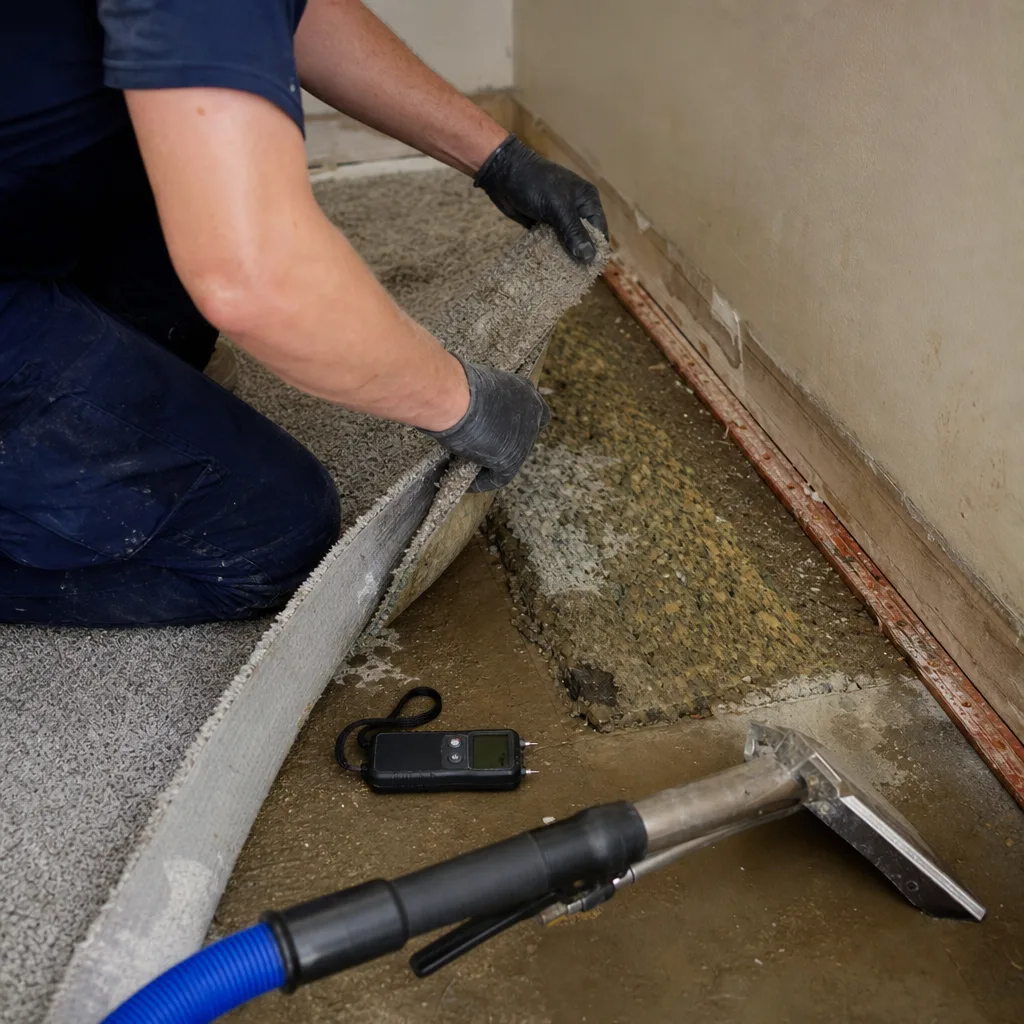
Some Henderson losses carry hidden cost structures that make DIY restoration more expensive than professional mitigation, even before insurance complications. These three scenarios appear routinely in our files.
Slab Leaks in Henderson’s Hard Soil
The caliche layer that prevents drainage also complicates leak detection. A homeowner in Inspirada who self-mitigates a slab leak typically replaces wet flooring, runs fans for a week, and considers the job done. The leak continues under the slab, wicking into wall bottom plates through capillary action. Six months later, we receive a call for mold remediation affecting 2,400 square feet across three rooms. The professional slab leak detection ($350-$600) and targeted drying that was skipped became a $18,000 reconstruction. Slab leaks require professional moisture mapping with thermal imaging; the equipment cost alone exceeds most DIY budgets.
HVAC-Related Moisture
Henderson’s cooling-dominant climate means air handlers run 8-10 months annually. Condensate drain pan overflows, improperly sealed duct boots in attics, and oversized AC units that short-cycle all produce moisture patterns that DIYers misread. The water you see on a ceiling tile is rarely the origin; it’s the exit point for condensation traveling along ductwork from a leak 30 feet away. Professional crews use borescopes to inspect duct interiors and manometers to measure static pressure that reveals airflow problems. DIY surface drying leaves the HVAC defect unaddressed, guaranteeing recurrence. We’ve documented this pattern repeatedly in Henderson’s older Paradise Hills and Pittman neighborhoods, where original ductwork is aging past 25 years.
Any Loss Touching Exterior Stucco
Henderson’s stucco exteriors are not waterproof; they’re water-managed. The system depends on weep screeds, drainage planes, and controlled drying. When water intrusion reaches the stucco-wood interface, DIY drying from the interior cannot address moisture trapped in the drainage gap. The standard remediation requires removing stucco to the stud, drying the assembly with Injectidry systems that introduce negative pressure into wall cavities, and reinstalling with proper moisture barriers. A homeowner who interior-dries only, then patches and paints, creates a sealed moisture pocket. In Henderson’s temperature swings, that pocket cycles through wet-dry phases that destroy sheathing in 18-24 months. The professional stucco remediation at $8,500-$15,000 becomes a $40,000+ full reclad when the sheathing fails.
The Partial DIY Approach: Content vs. Structure
The most cost-effective approach for many Henderson homeowners is not binary. You can handle contents removal and cleaning while a professional manages structural drying and documentation. This requires a written agreement that defines each party’s scope, and it only works when the boundary is clean.
What homeowners can safely handle: removing wet textiles, furniture, and personal items; laundering salvageable fabrics; disposing of contaminated porous materials per Clark County guidelines; and initial water extraction with a wet/dry vacuum for Category 1 losses only.
What requires professional documentation: moisture mapping of structural materials; placement and monitoring of drying equipment; antimicrobial application for Category 2 or above; and all post-drying verification with written certification.
The written agreement should specify: the exact square footage each party is responsible for; the moisture content targets each party must achieve; the documentation each party will produce; and the warranty implications if either party’s work fails. At Water Damage Restoration in Henderson, we regularly write these split-scope agreements for Henderson homeowners who want to reduce costs without sacrificing their insurance position. The Haven Standard, Clause 1, still applies: a written price before any work begins, even for partial engagements.
One caution: never let a contractor begin structural work while you’re still removing contents. The documentation clock starts when professional equipment is placed. If your contents removal delays drying past the 24-hour Category 1 degradation window, the professional scope expands and so does the price. Coordinate schedules precisely.
Nevada’s Mold Disclosure Law and Your Sale Liability
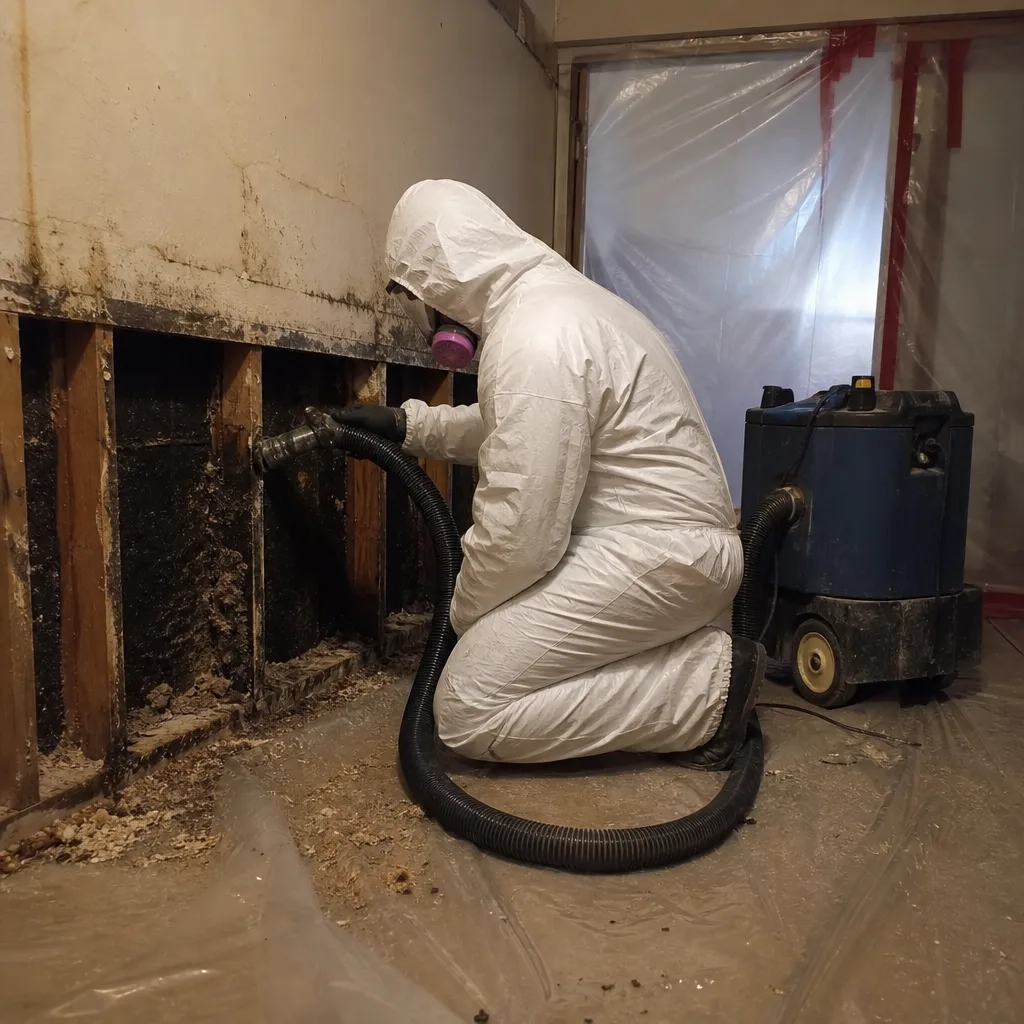
Nevada Revised Statutes 113.130 requires sellers to disclose “any material defect in the property,” including mold and water damage history. The disclosure form specifically asks about prior water intrusion and any remediation performed. An undocumented DIY restoration creates a disclosure liability that survives your sale and can trigger post-closing litigation.
Here’s how this plays out in Henderson’s active resale market. You self-dry a bathroom leak in 2023, replace the vanity, and sell in 2026. The buyer’s inspector finds elevated moisture in the adjacent wall cavity. You disclose “prior minor leak, self-repaired.” The buyer asks for documentation. You have none. The buyer’s insurer classifies the area as pre-existing and excludes mold coverage. The buyer sues for nondisclosure, claiming you knew or should have known the repair was incomplete.
Nevada’s statute of limitations for real estate nondisclosure is four years from discovery. In Henderson’s climate, latent moisture problems typically surface within 18-36 months. Your 2023 DIY repair is litigation exposure through 2030 or beyond.
Professional remediation with documentation eliminates this exposure. The written scope, drying logs, and post-remediation verification become your disclosure evidence. At closing, you hand the buyer a file that satisfies NRS 113.130 and their insurer’s prior-loss review. The cost difference between DIY and professional work is often less than the legal defense retainer for a single nondisclosure claim.
For Henderson homeowners in 55+ communities like Sun City Anthem or planned developments with HOA resale requirements, this documentation is often mandatory. Many HOAs now require professional remediation certificates for any water loss exceeding $1,000 in mitigation value.
What Rental Equipment Actually Delivers
The equipment available to Henderson homeowners at rental centers on Auto Show Drive or Gibson Road is not equivalent to professional-grade systems. Understanding the gap is essential for realistic DIY planning, and our Water Damage Restoration Maintenance Checklist for Henderson Homeowners details what to verify before starting.
Typical rental dehumidifiers: 50-70 pint capacity, single-speed operation, no humidistat logging. Professional Phoenix R200 or Dri-Eaz LGR 7000XLi units: 130-235 pint capacity, variable speed, onboard data logging with download capability for insurance submission. The professional unit extracts moisture 3-4 times faster and documents the extraction.
Typical rental air movers: 1,600-2,400 CFM, fixed position. Professional XPOWER X-4300 or B-Air Grizzly units: 2,800-4,000 CFM, multiple positioning angles, daisy-chain capability for whole-house drying with single-circuit load management. More importantly, professional crews calculate air mover placement using the “1 per 10-12 linear feet” rule for walls, and “1 per 200 square feet” for floors, with specific angles to create laminar airflow across wet surfaces. Random fan placement creates turbulent zones that slow drying and miss pockets.
Injectidry systems, which introduce negative pressure into wall cavities and hardwood flooring, are not available for homeowner rental. These are essential for any loss where water has reached structural cavities, which includes virtually every loss that sits for more than two hours before extraction. Without cavity drying, you’re surface-drying only, and surface-drying fails the documentation test for insurance purposes.
The rental cost for homeowner-grade equipment for a five-day dry: approximately $340-$520. The professional equipment cost for the same period, if you could rent it: $1,800-$2,400. But you cannot rent it, because professional-grade documentation requires trained operation. The gap is not just equipment; it’s the expertise to produce admissible drying logs.
What Your Adjuster Needs to See
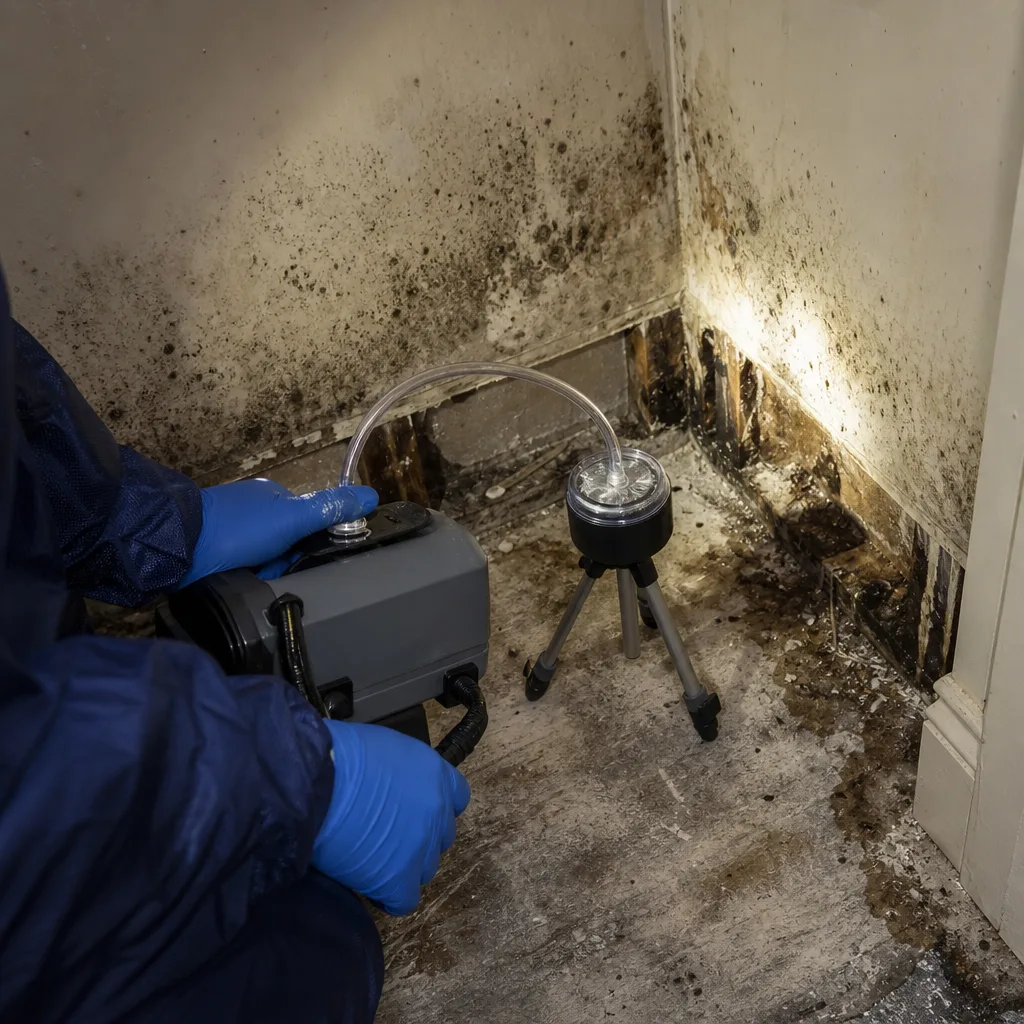
Every insurance claim file is reviewed by an adjuster who has seen thousands of restoration invoices. Their job is to distinguish legitimate mitigation from padded billing, and their primary tool is documentation consistency. Here’s what separates payable claims from denied ones in Henderson.
Adjusters look for psychrometric data that follows a logical drying curve: high initial humidity, steady decline, asymptotic approach to baseline. A DIY log that shows sudden humidity drops without corresponding equipment changes suggests window-opening or data fabrication. A professional log from our crews using Phoenix and XPOWER equipment shows the gradual, equipment-driven curve that adjusters recognize as legitimate.
They look for photo sequences with consistent angles and lighting, showing the same reference points over time. Random snapshots from different positions are useless for claim validation. Our documented photo record on every visit uses fixed reference points: the northwest corner of each room, the utility meter for scale, and a dated marker board in every frame.
They look for material classification by trade name. “Wet drywall” is insufficient. “3/8-inch USG Sheetrock Brand UltraLight Panels, Category 2 contamination, removed to 24 inches above visible water line per IICRC S500” is the level of specificity that triggers payment. Most homeowners cannot produce this classification; it’s learned through IICRC certification and daily practice.
Finally, adjusters look for a written scope signed before work begins. Haven Standard, Clause 1, exists because we’ve seen too many homeowners approve verbal estimates, then dispute line items when the invoice arrives. A written scope with itemized unit costs, signed by both parties, is the single strongest predictor of claim payment without dispute. Our DryMark Restoration Henderson home page details how this documentation-first approach protects your claim from day one.
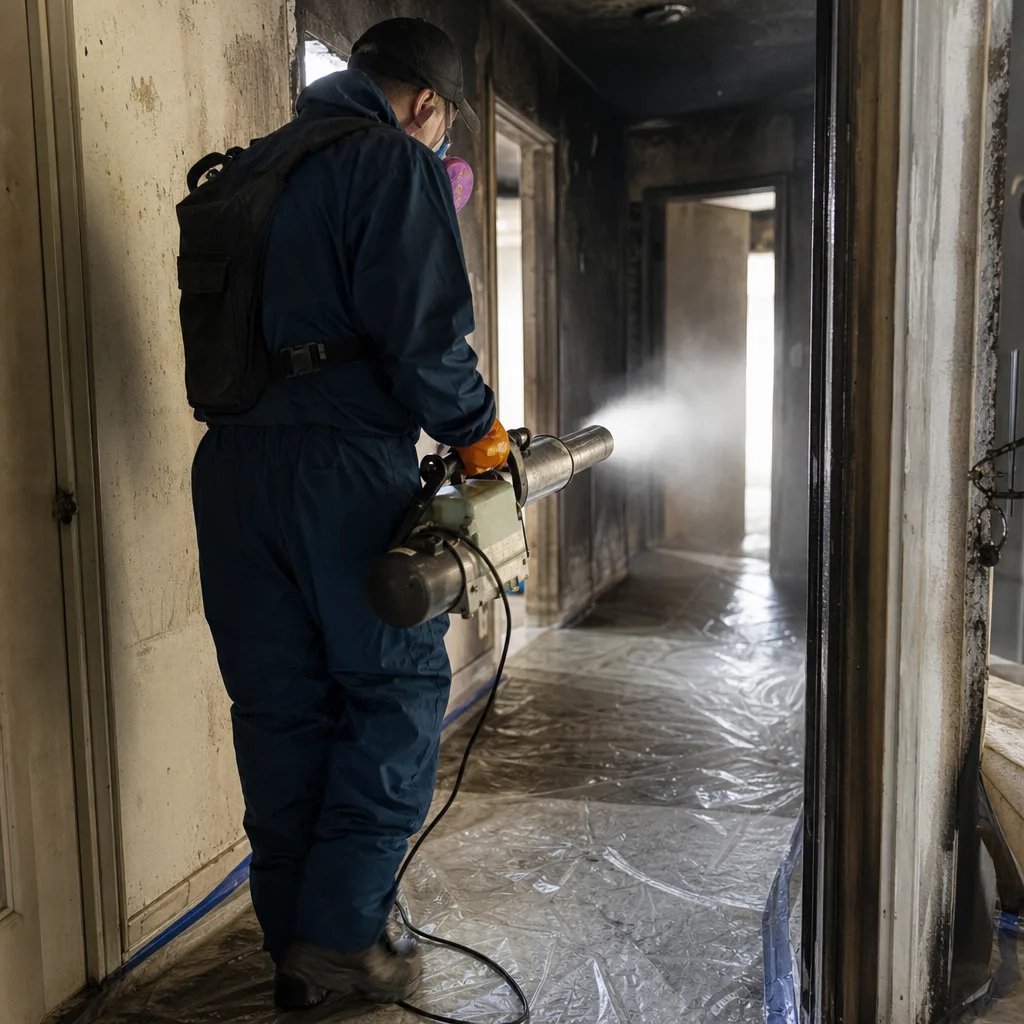
For fire and smoke damage, the documentation requirements intensify. Fire & Smoke Damage Restoration in Henderson involves complex residue testing, structural integrity assessment, and specialized cleaning protocols that no homeowner can self-document to insurance standards.
Common Mistakes to Avoid
- Using bleach on mold. Bleach evaporates faster than it penetrates, leaving moisture that feeds deeper mold growth. In Henderson’s low humidity, this seems to work initially; in wall cavities where humidity is trapped, it accelerates the problem. Professional mold remediation uses antimicrobial agents with residual activity and documented application protocols.
- Drying only what you can see. Water follows the path of least resistance: along baseboards, inside wall cavities, under cabinets with toe-kick gaps. A homeowner in Seven Hills who dried visible flooring for five days missed 34% moisture content in the OSB subfloor, which required full replacement. Moisture meters are non-negotiable; visual inspection is insufficient.
- Ignoring the HVAC system after any water loss. Air handlers, ductwork, and return plenums collect moisture and distribute spores throughout the house. Post-loss HVAC inspection is standard in professional protocols; DIYers routinely skip it, creating whole-house contamination from a localized leak.
- Disposing of contaminated materials improperly. Clark County requires specific disposal documentation for Category 2 and 3 waste. A homeowner who hauls sewage-contaminated drywall to a standard landfill faces fines and potential criminal liability. Professional crews use permitted waste haulers with manifest documentation.
- Failing to establish a drying baseline. You cannot prove materials are dry without knowing what “dry” means for your specific home. Baseline moisture content varies by season, construction era, and HVAC operation. Professional crews measure baseline in unaffected areas before drying begins; DIYers typically guess.
- Accepting a contractor’s verbal promise without written scope. This contradicts Haven Standard, Clause 1, and exposes you to scope creep, undocumented change orders, and claim disputes. Every restoration engagement in Henderson should begin with a written price before work starts, every time, with no exceptions.
- Assuming insurance will cover DIY mistakes. Most Henderson homeowners policies contain “reasonable care” clauses that exclude damage resulting from inadequate mitigation. Your DIY drying that led to mold may be classified as negligence, not covered peril.
When to Call a Professional
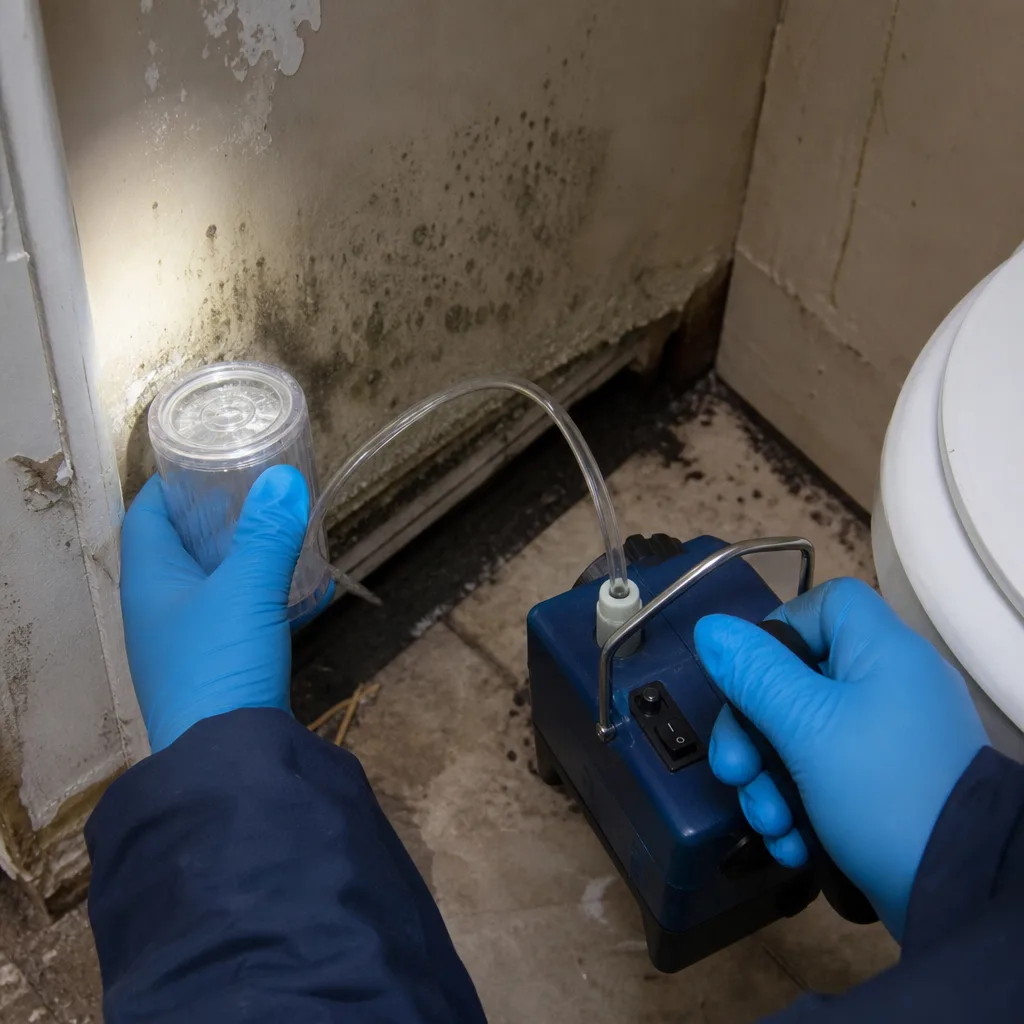
Call a professional restoration company when: the water category is 2 or 3; the affected area exceeds 150 square feet; water has contacted HVAC, electrical panels, or gas lines; the loss involves exterior stucco or slab construction; you plan to sell your Henderson home within five years; your insurance policy has a prior-loss exclusion; or you cannot produce the five documentation requirements listed above.
For Henderson homeowners facing these thresholds, Mold Remediation in Henderson and water damage restoration services are available with the documentation standards your claim requires. DryMark Restoration Henderson offers free estimates in Henderson - call (725) 696-9449. Every estimate includes a written scope before any work begins, documented to Haven Standard, Clause 1.
Frequently Asked Questions
Professional Category 1 mitigation in Henderson typically runs $1,200-$2,800 for areas under 500 square feet, while DIY equipment rental costs $340-$520 plus your time. The professional premium buys documentation that preserves insurance coverage, moisture verification that prevents mold, and a written warranty. For Category 2 and 3 losses, professional work is actually less expensive when you factor in the equipment, antimicrobial products, and disposal costs a homeowner must bear without insurance contribution.
Some insurers will reimburse documented DIY mitigation for Category 1 losses, typically at 50-70% of professional rates, provided you produce the five documentation requirements: moisture readings, dated photos, equipment receipts, daily drying logs, and post-drying verification. However, most Henderson homeowners policies contain “reasonable and customary” clauses that limit reimbursement to professional rates only. Call your adjuster before beginning DIY work; their pre-approval letter is your coverage protection.
DryMark Restoration Henderson maintains live phone coverage 24 hours a day, 7 days a week with no voicemail on emergency lines. For active water losses in Henderson, our typical dispatch time is under 90 minutes during business hours and under two hours overnight. Speed matters because Category 1 degrades to Category 2 in 24-48 hours, and every hour of delay expands the documented scope and cost.
Visible mold on a single surface under 10 square feet can sometimes be addressed with proper PPE, containment, and antimicrobial agents. However, visible mold is rarely the full extent; Henderson’s stucco construction and HVAC distribution systems hide colonization in wall cavities and ductwork. Professional mold assessment uses air sampling and ERMI dust analysis to determine total spore load. Without this data, you’re treating symptoms while the source continues. For any mold concern, Mold Remediation in Henderson services include assessment, containment, and post-remediation verification.
At DryMark Restoration Henderson, we coordinate directly with your adjuster as part of our standard service. This includes: submitting our written scope for pre-approval before work begins; providing daily drying logs and photo documentation in the format your insurer requires; attending adjuster site visits when requested; and itemizing all work to Xactimate or Symbility pricing standards. Our documentation-first approach, developed by a former claims adjuster, is designed to produce payable claims without the back-and-forth that delays homeowner recovery. Explore more guides & resources on protecting your Henderson home.
The 365-Day Done Right Promise is a written warranty under The Haven Standard, not a marketing assurance. If any work we perform requires correction within 365 days, we return and make it right at no charge. This includes: moisture rebound in dried areas; visible mold recurrence in remediated spaces; odor return in fire and smoke restoration; and structural settling in reconstruction work. The promise is signed on every job, not offered verbally, and it’s backed by our documented record of every visit.
The Bottom Line
The DIY restoration question in Henderson is not about your skill with a shop vac or your willingness to rent equipment. It’s about what you’re prepared to document, sign, and defend if your insurance company asks questions or a future buyer’s attorney does. Category 1 losses under 150 square feet, with full documentation, can be homeowner-managed. Everything else carries documentation requirements, liability exposure, or technical complexity that makes professional restoration the lower-cost choice when measured across the full ownership cycle. The five documentation requirements, Nevada’s disclosure laws, and Henderson’s specific climate and construction conditions create a decision framework where “saving money” on mitigation often costs thousands in denied claims, failed sales, or latent damage repair. Get the written scope, get the documentation, and get it done right.
Need a free estimate or a second opinion on a competitor’s quote? DryMark Restoration Henderson serves Henderson with water damage restoration, mold remediation, fire and smoke damage restoration, and full reconstruction services. Call (725) 696-9449 - a live person answers every call, 24 hours a day, 7 days a week.
Written by Alicia Brennan, Owner at DryMark Restoration Henderson, serving Henderson since 2011.